JK Fenner
EV Belt Drive Systems – High-Efficiency Synchronous Belt Transmissions for Electric Two-Wheelers & Three-Wheelers
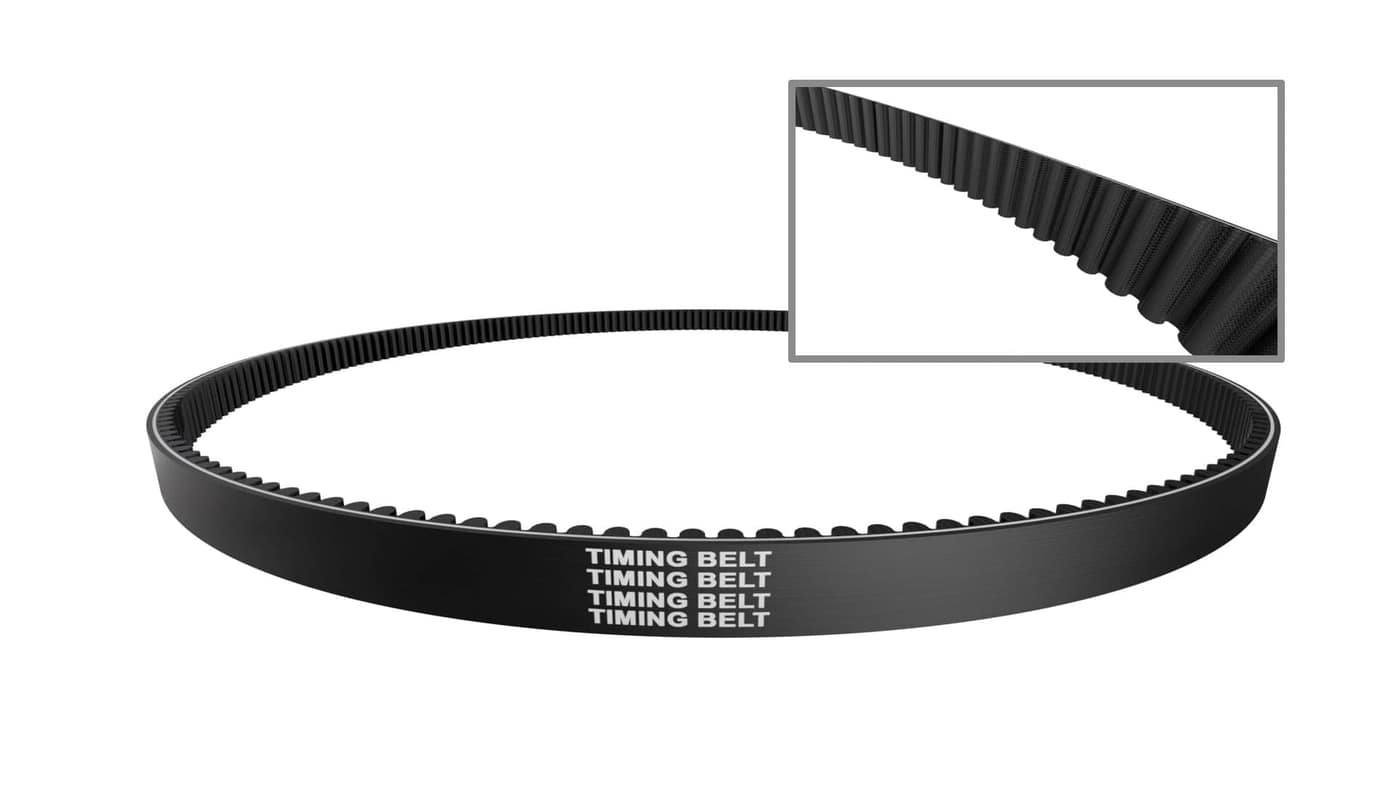
JK Fenner EV Belt Drive Systems apply the company's seven decades of power transmission belt expertise to the unique demands of electric vehicle drivetrains. These high-efficiency synchronous (timing) belt drive systems transmit power from the electric traction motor to the drive wheel with precise speed reduction, minimal noise, and maintenance-free operation — attributes that make them ideal for electric two-wheelers, three-wheelers, and light commercial vehicles. Compared to chain drives, belt drive systems offer significant advantages in EVs: quieter operation (critical for otherwise near-silent electric vehicles), zero lubrication requirements, reduced unsprung mass, and superior vibration damping that protects the motor bearings. JK Fenner EV belt drives are engineered with glass-fibre or aramid tensile cords, durable polyurethane or HNBR compounds, and optimized tooth profiles that deliver high torque capacity in compact packaging — directly contributing to improved vehicle range through reduced drivetrain losses.
Send an Enquiry
We'll get back to you on WhatsApp.
Trusted by Industry Leaders
























Quiet, Maintenance-Free Operation
Belt drives eliminate the metal-on-metal contact noise of chains and require no lubrication or tension adjustment over their service life, reducing total cost of ownership for EV fleet operators.
Lightweight Construction for Extended EV Range
Synchronous belt drive systems are significantly lighter than equivalent chain or gear reduction drives, reducing vehicle weight and contributing to improved battery range per charge.
High Torque Capacity in Compact Envelope
Optimized tooth profiles and high-modulus tensile cords enable belt drives to handle the instant peak torque characteristic of electric motors without excessive belt width.
Vibration Damping Protects Motor & Electronics
The inherent damping properties of the elastomeric belt reduce transmission of driveline shock and vibration to the motor shaft, bearings, and controller electronics.
Corrosion Resistance for All-Weather Operation
Polyurethane and HNBR belt materials resist moisture, road salt, and environmental exposure, eliminating the rust and corrosion issues associated with chain drives.
Scalable Design for Diverse EV Platforms
Belt drive systems can be configured for hub motor, mid-drive motor, and e-axle architectures across two-wheeler, three-wheeler, and SCV electric vehicle platforms.
Why Belt Drives Are the Future of EV Power Transmission
The transition from internal combustion to electric powertrains demands a fundamental rethinking of mechanical power transmission. Chain drives — while ubiquitous and low-cost — bring inherent disadvantages to EVs: noise that becomes objectionable when engine noise is absent, lubricant fling that contaminates components, and weight that penalizes range. Synchronous belt drives address all three issues while providing the high initial torque capacity and precise speed ratio control that electric traction applications require. JK Fenner, with its unmatched expertise in belt drive technology developed over 70 years, is uniquely positioned to deliver optimized EV belt drive solutions that help vehicle manufacturers achieve their range, NVH, and reliability targets.
Application in Electric Two-Wheeler & Three-Wheeler Platforms
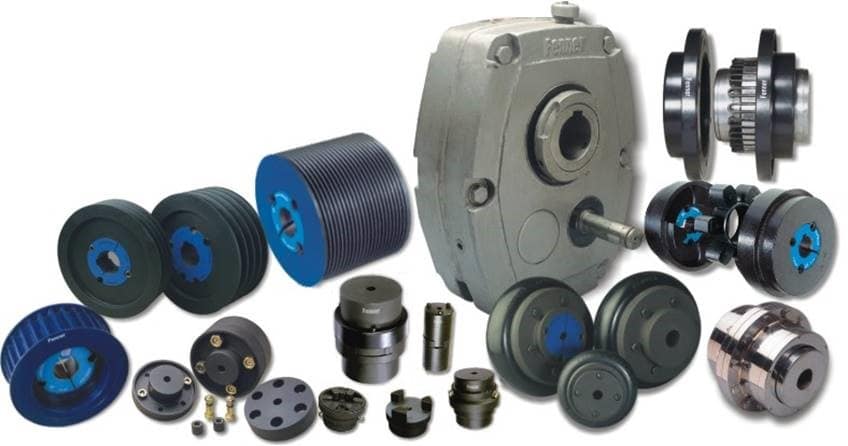
JK Fenner EV belt drive systems are currently deployed in electric two-wheeler applications where a single-stage belt reduction transmits power from a mid-frame traction motor to the rear wheel. They are also being developed for three-wheeler cargo and passenger vehicles, and small commercial vehicles (SCVs) where belt drives can serve as a lightweight alternative to gear reduction in hub motor and e-axle configurations. The belt drive system includes the synchronous belt, precision-machined driver and driven pulleys, and, where required, an automatic tensioning mechanism optimized for the specific EV platform's torque, speed, and packaging constraints.