JK Fenner
EV Traction CVT Motors – Continuously Variable Transmission Drive Systems for Electric Vehicles
JK Fenner EV Traction CVT Motors combine a continuously variable transmission (CVT) with an electric traction motor to deliver seamless, stepless speed variation without the fixed gear ratios of conventional transmissions. This architecture enables the electric motor to operate continuously at its most efficient RPM — regardless of vehicle speed — maximizing both energy efficiency and battery range. The CVT's ability to maintain the motor in its optimal efficiency zone during acceleration and cruising is particularly valuable in electric three-wheelers and small commercial vehicles (SCVs) that experience widely varying load and speed conditions in urban delivery duty cycles. JK Fenner's entry into traction CVT motor development leverages the company's deep expertise in belt and elastomer technology — core knowledge domains directly applicable to CVT belt design and manufacturing — positioning Fenner as a uniquely qualified developer of integrated CVT electric drive solutions.
Send an Enquiry
We'll get back to you on WhatsApp.
Trusted by Industry Leaders


























Motor Always Operates at Peak Efficiency RPM
The CVT continuously adjusts the effective drive ratio so the motor can remain at its most efficient speed, maximizing energy extracted from every watt-hour of battery capacity.
Seamless Acceleration Without Gear Shifts
Continuously variable ratio adjustment provides smooth, jerk-free acceleration from standstill to top speed — enhancing driver comfort and reducing driveline shock loads.
Optimized for Variable-Load Urban Delivery Cycles
CVT-equipped EVs automatically adapt to changing load conditions (empty vs. fully loaded cargo vehicle), maintaining efficiency without driver intervention.
Extended Battery Range Through Optimized Energy Usage
By eliminating inefficient motor operating points during acceleration and grade climbing, CVT systems can deliver 10-15% range improvement compared to single-speed reduction drives in variable-duty applications.
Regenerative Braking Across Wide Speed Range
The CVT's variable ratio enables efficient energy recovery during deceleration across a broader vehicle speed range than fixed-ratio systems.
Fenner Belt Technology at the Core
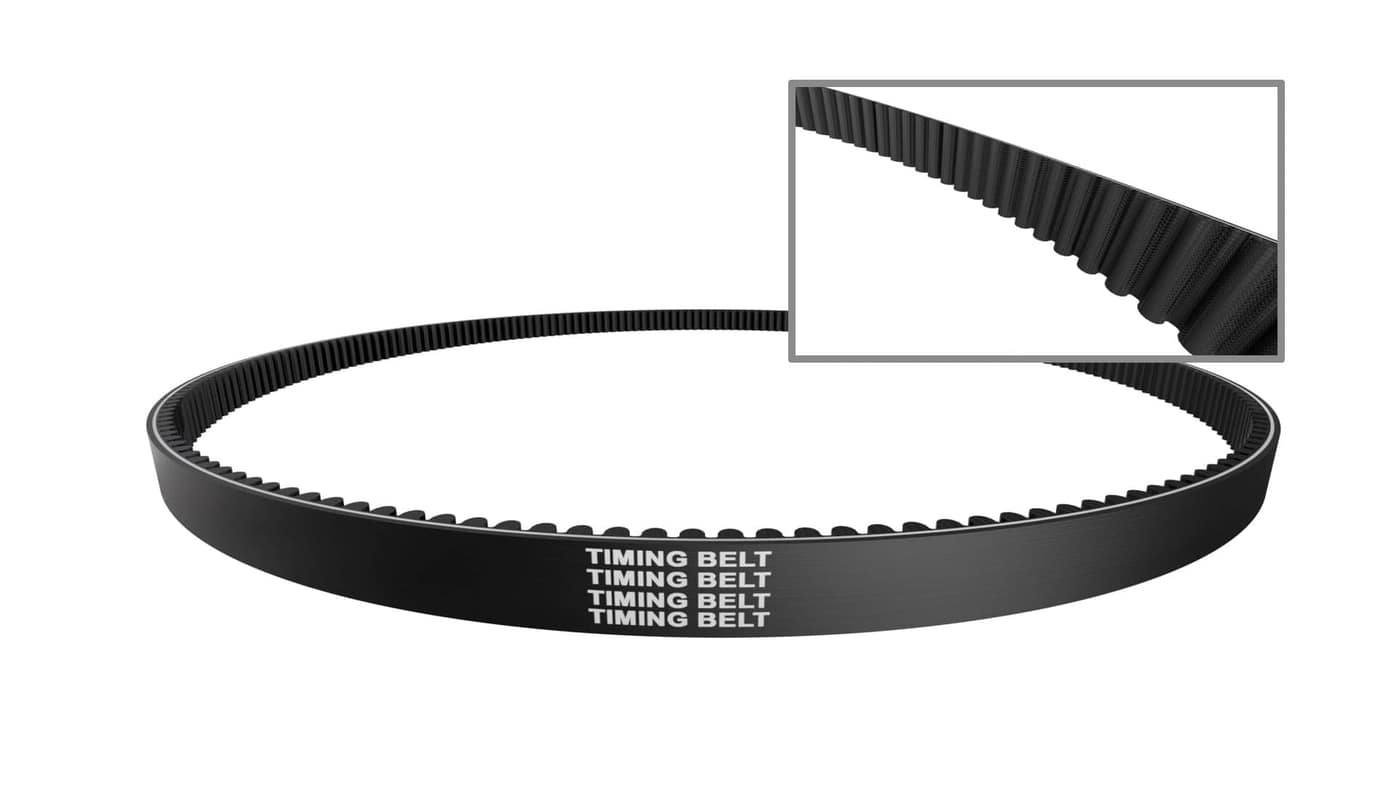
The CVT's belt-drive mechanism benefits directly from JK Fenner's 70+ years of power transmission belt development — ensuring the CVT belt delivers the durability, efficiency, and quiet operation expected in EV applications.
Why CVT Technology Is Gaining Traction in Electric Commercial Vehicles
While single-speed reduction drives are sufficient for light electric two-wheelers operating in a narrow speed range, electric three-wheelers and SCVs face more demanding duty cycles: frequent stops, heavy loads, gradients, and widely varying traffic speeds. Under these conditions, a single-speed drive forces the motor to operate at inefficient points on its torque-speed map, wasting battery energy and generating excess heat. A CVT solves this by dynamically optimizing the drive ratio, keeping the motor in its sweet spot. For fleet operators focused on total cost per kilometre, the range extension and reduced motor stress offered by CVT systems can deliver a compelling return on investment — particularly in commercial applications where daily mileage is high and battery charging downtime directly impacts revenue.

Target Applications
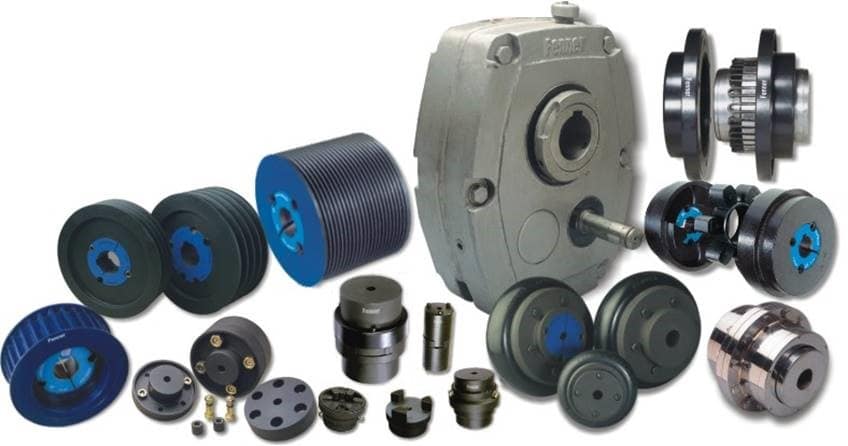
JK Fenner traction CVT motor systems are being developed primarily for electric three-wheeler cargo vehicles and passenger auto-rickshaws, where load variability and urban stop-start duty cycles maximize the benefits of continuously variable ratio control. Additional applications include electric small commercial vehicles (SCVs) for last-mile delivery, electric golf carts and neighbourhood electric vehicles (NEVs), and electric micro-cars for urban mobility. As India's electric three-wheeler market continues its rapid growth — driven by government incentives and total cost of ownership advantages over CNG and diesel alternatives — CVT-equipped drivetrains represent a technology-differentiation opportunity for vehicle manufacturers seeking to offer superior range and reliability.