KITO
Chain & Accessories
Lifting chain and accessories form the backbone of heavy‑duty material handling—from grade‑specific alloy chain and chain slings to the connecting links, shortening clutches, and termination fittings that enable safe, efficient load control. Crosby and Gunnebo Industries supply Grade 80 and Grade 100 alloy steel chain manufactured in Sweden and Norway under ISO‑certified processes, with every link proof‑tested to twice its Working Load Limit and individually marked for full raw‑material traceability. The Gunnebo GrabiQ® chain sling system integrates shortening, coupling, and lifting functions into a modular Grade 100 platform that reduces the number of components required on site and delivers a 25% increase in WLL compared to equivalent‑diameter Grade 80 systems. Accessories include connecting links, grab hooks, foundry hooks, shorteners, and end fittings—all engineered to EN 1677, ASTM A952, and AS 3776.
Send an Enquiry
We'll get back to you on WhatsApp.
Trusted by Industry Leaders





















Grade 100 Chain for Maximum Capacity
Grade 100 alloy chain provides up to 25% higher WLL than Grade 80 for the same nominal diameter, enabling lighter, easier‑to‑handle slings with equivalent or greater lifting capacity.
Integrated Shortening with GrabiQ® Technology
The GrabiQ system allows chain legs to be shortened or adjusted directly at the master link or load hook without separate shortening clutches, reducing loose hardware and speeding up rigging configuration changes.
Complete Traceability from Melt to Lift
Every chain link and accessory is marked with a manufacturer's code, grade designation, and batch number that traces back to the originating European steel mill heat, certified chemical composition, and mechanical test results.
Proof‑Tested to 2× WLL
All lifting chain and accessories undergo mandatory proof load testing at twice the Working Load Limit, with certificates issued for each component, satisfying LOLER, ASME, and international regulatory requirements.
Modular Component Compatibility
Accessories are designed for cross‑compatibility between Grade 80 and Grade 100 systems, allowing progressive fleet upgrades and interchangeability with existing Crosby and Gunnebo master links, hooks, and connectors.
High‑Temperature and Corrosion‑Resistant Options
Standard alloy chain operates from –40°C to +200°C; stainless steel Grade 60 chain and Cromox® components extend chemical and marine corrosion resistance for food processing, pharmaceutical, and offshore environments.
Grade 80 vs. Grade 100 Chain: The Commercial Case for Upgrading
A Grade 100 chain sling rated for the same Working Load Limit as its Grade 80 predecessor uses smaller‑diameter chain, reducing weight per metre by approximately 20%. This translates into a lighter sling for riggers to carry and position—reducing manual handling injury risk—and a more compact assembly that consumes less storage space and imposes a lower headroom penalty. The higher yield strength and improved fatigue properties of Grade 100 material extend service intervals under cyclic loading conditions common in steel erection, shipyard, and foundry applications. When combined with the GrabiQ modular shortening system, the total component count per sling drops, meaning fewer parts to inspect, maintain, and replace.
Use Cases Across Heavy Industries
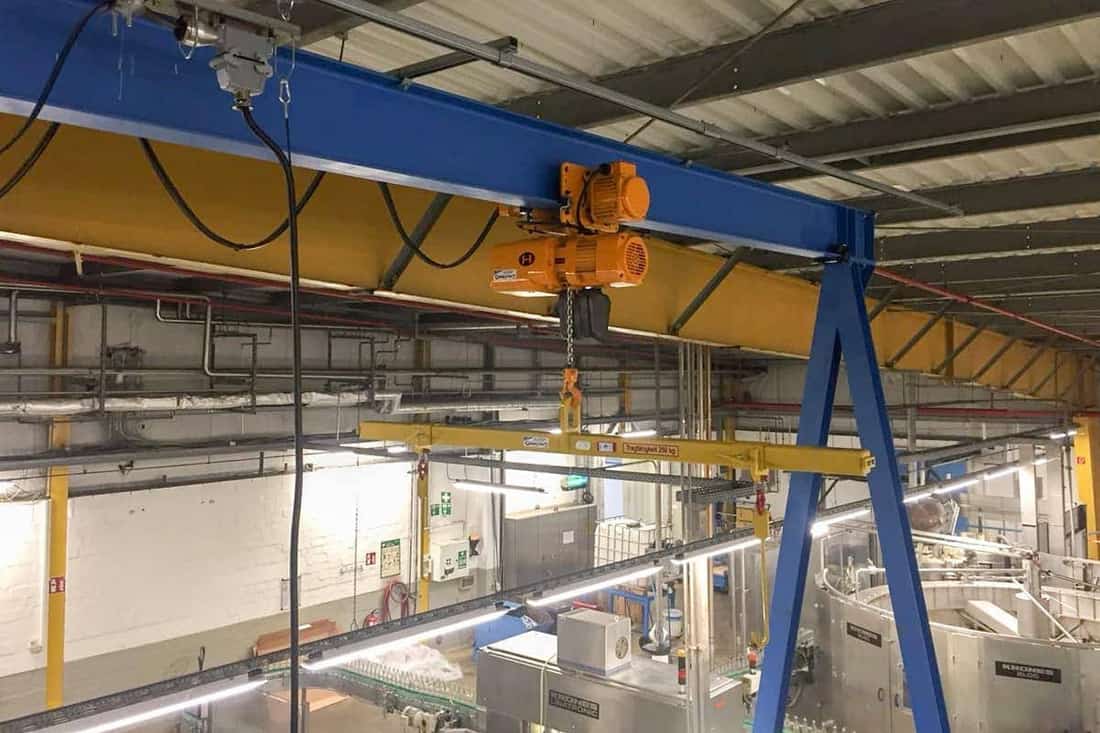
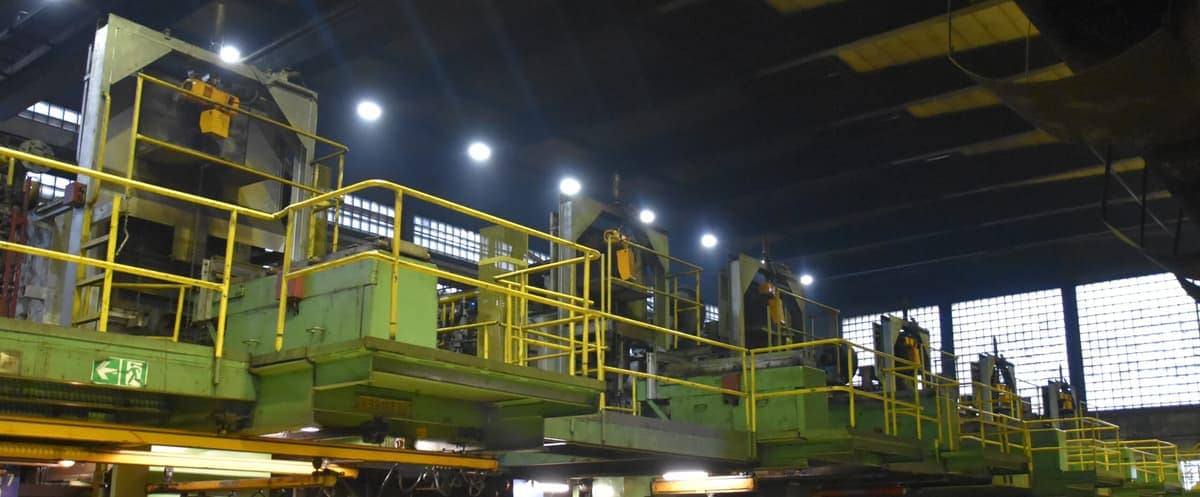
Alloy chain and accessories are deployed wherever loads exceed the practical capacity of synthetic or wire rope slings, or where sharp edges, high temperatures, and abrasive conditions would destroy textile‑based lifting gear. Steel mills and foundries rely on Grade 100 chain slings to handle ladles, moulds, and castings at continuous service temperatures approaching 200°C. Construction and infrastructure projects use adjustable multi‑leg chain slings for precast concrete panels and structural steel beams. Shipbuilding and repair depends on corrosion‑resistant chain assemblies. Port and intermodal terminals deploy chain‑based container handling gear rated for high‑cycle, repetitive operation.