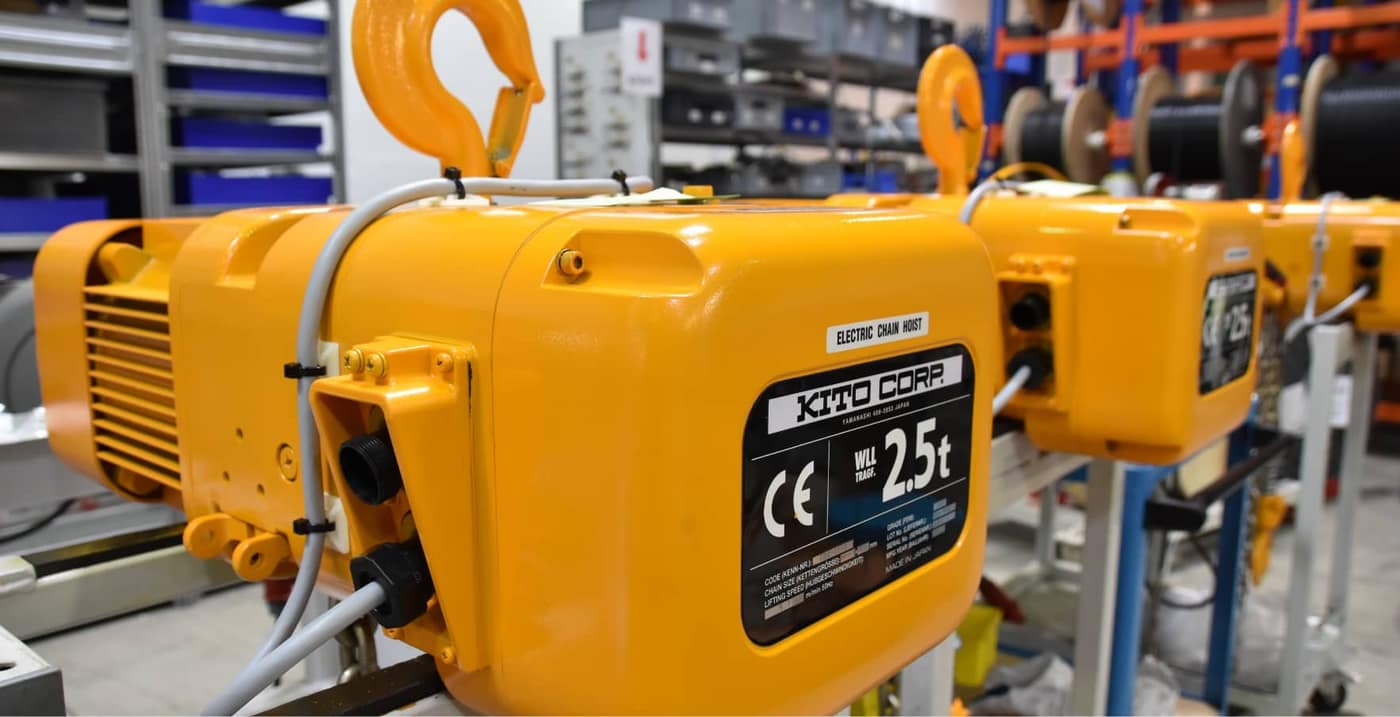
KITO
Sheaves
Sheaves are the precision‑machined grooved wheels that guide and support wire rope as it passes through crane blocks, hoist reeving systems, and winch fairleads. The sheave profile—its groove radius relative to the wire rope diameter, surface hardness, and bearing type—directly determines rope bending fatigue life, fleet angle tolerance, and the total energy loss in the reeving system. Crosby and Gunnebo Johnson sheaves are roll‑forged from alloy steel, flame‑hardened on the groove surface to 50+ HRC, and machined to close‑tolerance groove profiles that match specific rope diameters and constructions. Larger sheaves feature a close‑fitting mortise integration with the block shell, eliminating the rope‑jamming gap between sheave rim and housing. Tapered roller bearings with neoprene seals and stainless‑steel centre pins handle both radial loads and side‑thrust forces, keeping the sheave centred and preventing the rim‑to‑shell contact that causes wear, noise, and rope damage.
Send an Enquiry
We'll get back to you on WhatsApp.
Trusted by Industry Leaders



























Flame‑Hardened Roll‑Forged Groove Surface
The working groove is hardened to resist the contact pressure and abrasion of loaded wire rope, preventing the groove‑wall deformation that misaligns rope strands and accelerates fatigue.
Precision Groove‑to‑Rope Diameter Matching
Sheave grooves are machined to a profile that supports the rope over 130–150° of its circumference, distributing load across multiple strands and minimising the bending stress that governs rope fatigue life.
Rope‑Jamming Prevention with Close‑Mortise Fit
The sheave rim is fitted closely into the block shell mortise, closing the gap through which a slack rope can jump the groove and jam, a failure that can stop a crane mid‑lift and require hours of manual rope extraction.
Tapered Roller Bearings for Combined Load Handling
Tapered roller bearings accommodate both the radial load from rope tension and the axial side‑thrust generated when the fleet angle exceeds 1.5°, preventing sheave tilt and resultant uneven rope wear.
Sealed, Corrosion‑Resistant Centre Assembly
Neoprene lip seals exclude dirt, water, and salt spray from the bearing cavity, while the stainless‑steel centre pin resists the galvanic corrosion that seizes conventional steel pins in marine environments.
Individual Proof Testing with ABS‑Recognised Certification
Each sheave assembly is proof‑tested at 4× single‑line pull, with certificates recognised by the American Bureau of Shipping, providing the documentation required for classed crane installations.
How Sheave Condition Directly Affects Wire Rope Life
A wire rope bending over a sheave experiences a stress cycle with every pass. When the sheave groove is worn, the rope flattens as it passes, distorting the strand geometry and concentrating bending stress in a narrow band rather than distributing it around the rope circumference. A groove that is 1 mm oversize for the rope diameter can reduce fatigue life by 30% or more. Conversely, a groove that is too tight pinches the rope, increasing pull‑through force and generating frictional heat that degrades the rope core lubricant. Routine sheave groove gauge inspection—checking radius and concentricity—is one of the lowest‑cost, highest‑impact maintenance activities a crane operator can perform.
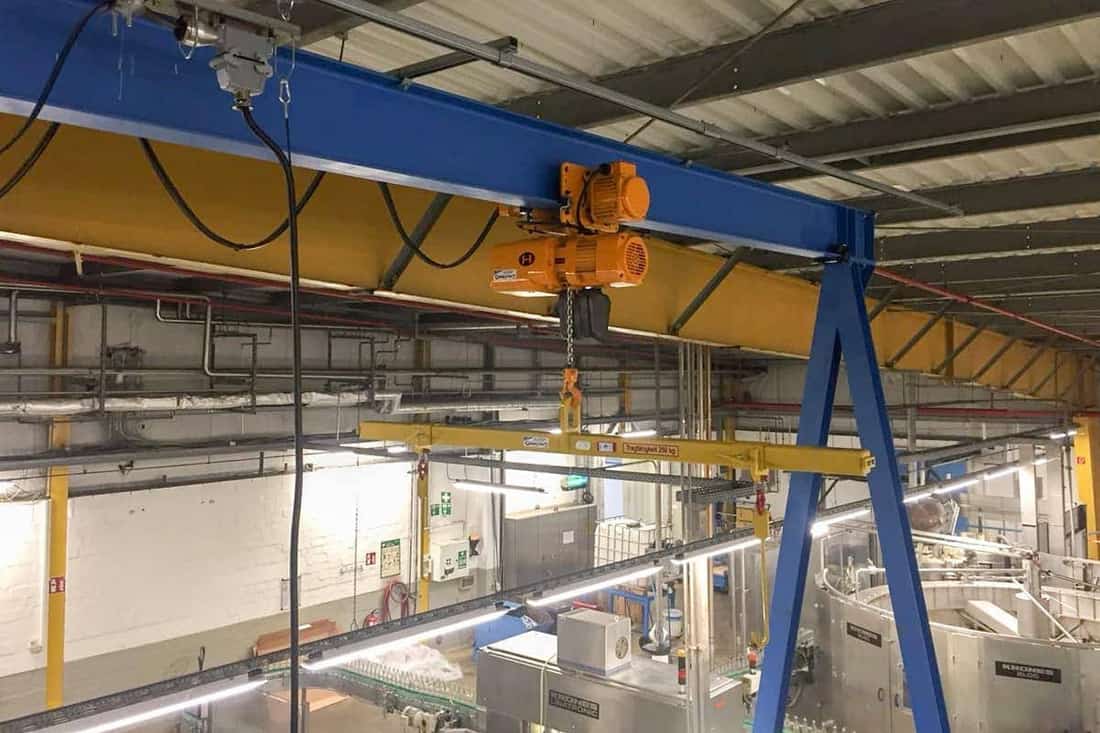
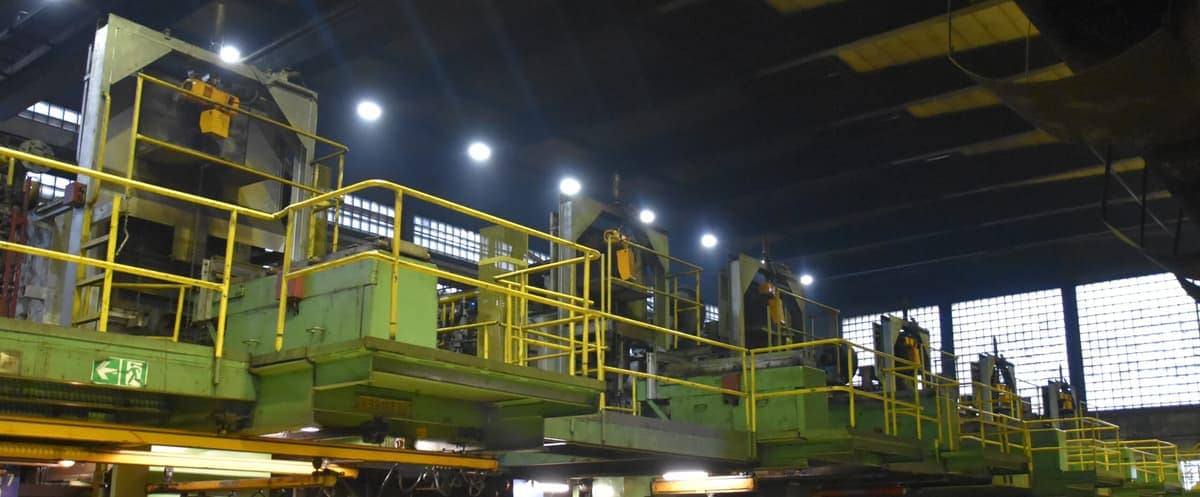
Crane Block, Snatch Block, and Fairlead Sheave Configurations
Crane block sheaves are designed for high‑cycle, single‑line‑pull applications in multi‑part reeving, where the fleet angle is controlled and the rope never leaves the groove. Snatch block sheaves must accommodate variable fleet angles, intermittent slack‑tension conditions, and rapid rope engagement and release; they typically feature deeper groove profiles and wider rims to prevent rope derailment during slack recovery. Fairlead sheaves guide wire rope from the winch drum onto the first block, operating at the highest fleet angle in the system and requiring hardened grooves with generous rim radii to prevent rope abrasion. Matching the sheave design to its operational role ensures each rope‑bending event occurs under optimal geometric conditions.