KITO
Subsea & ROV Lifting Equipment
Subsea and ROV‑operable lifting hardware is engineered to function reliably in the most inaccessible, unforgiving environment on the planet—the deep ocean. Designed for deployment and retrieval by remotely operated vehicles (ROVs) at depths exceeding 3,000 metres, Crosby and Gunnebo Industries subsea shackles, hooks, and release mechanisms eliminate the need for diver intervention, manual connection, or delicate positioning. The ROV Retrieve Shackle No. 861 and ROV Release Shackle No. 863 feature high‑visibility, close‑die‑forged operating handles with double safety functions, shark‑tooth locking indicators that visually confirm open‑locked status, and zero loose parts in both states. Every load‑bearing component is hot‑dip galvanised for extended subsea corrosion resistance and rated with a 5:1 or 6:1 design factor, compliant with EN 13889.
Send an Enquiry
We'll get back to you on WhatsApp.
Trusted by Industry Leaders






















Zero Loose Parts in Any Position
Both open and closed configurations retain all components captive to the shackle body; no pins, cotters, or fasteners can separate and become dropped objects subsea or foreign material debris in sensitive equipment.
Shark‑Tooth Locking with Visual Indicator
The positive‑engagement locking mechanism provides a clear, tactile, and visual indication of whether the shackle is open or locked, removing ambiguity from ROV camera feeds and manipulator feedback.
High‑Visibility ROV‑Friendly Handles
Close‑die‑forged operating handles with fluorescent or high‑contrast coatings are sized for standard ROV manipulator jaws and remain visible even in turbid, low‑light conditions at depth.
Tapered Bolt End for Easy Subsea Make‑Up
The lead‑in taper on the shackle bolt guides the pin into alignment during ROV insertion, reducing the dexterity required and shortening connection time in high‑current or low‑visibility conditions.
Design Factor 6:1 for Critical‑Lift Assurance
A 6:1 design factor (minimum ultimate strength = 6 × WLL) provides an additional margin of safety for lifts where recovery of a dropped object is impossible or where the load represents an irreplaceable capital asset.
Full Material and Dimensional Standard Compliance
Products conform to EN 13889 and are manufactured with documented chemical analysis, mechanical testing, and dimensional inspection, providing the certification package required by class societies and oil‑and‑gas operator lifting standards.
Why Standard Shackles Fail in ROV Operations
A standard industrial shackle relies on manual dexterity—a worker's fingers to insert the pin, rotate it, and secure the cotter. At 2,000 metres, that worker is replaced by a five‑function hydraulic manipulator arm viewed through a subsea camera operating on a vessel heaving in sea state 5. Standard screw pins back out under vibration; split cotters snag and bend; loose nuts fall into the subsea structure. The Gunnebo ROV Retrieve and Release shackle range was designed around the ROV as the operator: handles are large, locking is achieved with a single linear stroke, the locking indicator is binary and unambiguous, and no component can detach. For field development projects where a single day of installation vessel spread rate exceeds half a million dollars, the difference between a shackle that connects in 90 seconds and one that requires 45 minutes of ROV manipulation is measurable on the project balance sheet.
Applications from Construction to Decommissioning
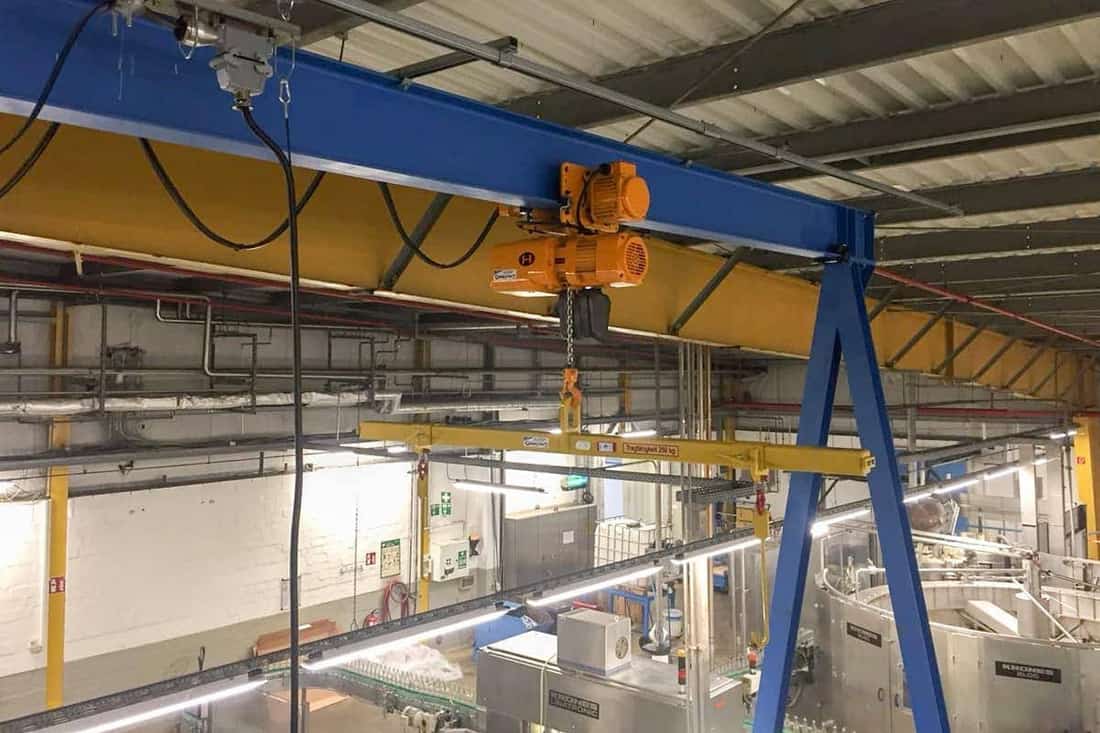
Subsea lifting hardware supports the entire offshore lifecycle. During field development, ROV shackles connect installation rigging to subsea templates, manifolds, pipelines, and umbilicals. In production operations, they enable deployment and retrieval of intervention tooling, valve skids, and maintenance packages. During abandonment and decommissioning, ROV‑release shackles permit the remote disconnection of lift rigging once a recovered structure reaches the surface, eliminating the need for a separate subsea cutting or diver‑disconnect campaign. Beyond oil and gas, the technology serves offshore renewable energy—floating wind turbine mooring connection—and deep‑sea scientific research where instrument packages require reliable deployment at full ocean depth.