Regal Rexnord
Metal Wire Mesh Belts
Regal Rexnord metal wire mesh conveyor belts, manufactured under the Cambridge brand, are engineered woven - metal conveying surfaces designed for the extreme thermal, chemical, and mechanical demands of continuous food processing, heat - treating, and industrial finishing operations.Unlike plastic or fabric belts that fail at elevated temperatures or degrade under aggressive chemical exposure, our metal mesh belts are fabricated from stainless steel, high - carbon steel, and specialty alloys that maintain structural integrity and dimensional stability in continuous operating temperatures from cryogenic freezing(-40°C) to industrial baking and heat - treating(+600°C).Production engineers in baking, snack - food, meat and poultry processing, metal heat - treating, and electronics manufacturing specify Cambridge metal belts when their process requires a conveying surface that can withstand direct flame impingement, immersion in hot oils or brines, radiant heat from gas burners, or the thermal shock of transitioning between cooking and freezing zones.With weaving patterns ranging from balanced and double - balanced weaves for general conveying to compound - balanced, rod - reinforced, and ladder - link configurations for specific heat - transfer, drainage, and product - release requirements, our metal wire mesh belt portfolio provides solutions for the most extreme continuous - processing challenges.
Send an Enquiry
We'll get back to you on WhatsApp.
Trusted by Industry Leaders






















Wide Temperature Range Capability
Continuous operation from - 40°C in spiral freezers to + 600°C in brazing furnaces — a thermal range no polymer belt can approach — with minimal thermal expansion that maintains tracking and tension.
Superior Heat Transfer for Baking & Cooking
Open - mesh construction with typical 40 % to 85 % open area allows radiant heat, hot air, and cooking oil to contact product from all sides, ensuring uniform baking, frying, and roasting.
Corrosion - Resistant Alloy Selection
304 and 316 stainless steel for food - processing and chemical environments; high - nickel alloys for oxidizing atmospheres in heat - treating furnaces; carbon steel for non - corrosive industrial applications.
High Strength - to - Weight Ratio
Wire mesh construction provides the tensile strength to carry heavy product loads across long, unsupported spans while minimizing belt mass that consumes energy in heating and cooling zones.
Positive Drive Through Sprocket Engagement
Cambridge metal belts are driven by precision - compatible sprockets that engage the belt mesh, eliminating the tension - dependent friction drive limitations of fabric belts.
Custom Weave Patterns & Edge Finishes
Standard weaves for general conveying; specialty weaves for specific heat - transfer, drainage, surface - support, and product - release characteristics; welded, knuckled, or chain - edge selvedges matched to application needs.
Cambridge Metal Belts in Industrial Baking & Spiral Freezing
The baking industry subjects conveyor belts to some of the most demanding conditions in food processing: radiant heat from gas burners reaching 300°C, direct flame contact on impingement ovens, steam injection in hearth ovens, sugar caramelization that can adhere to belt surfaces, and the thermal cycling of continuous operation followed by sanitation cooldown.Cambridge metal wire mesh belts thrive in this environment because of their open structure, which allows uniform airflow through the belt for even baking, and their high - temperature alloy construction that withstands years of thermal cycling without embrittlement or distortion.In spiral freezing systems, our metal belts navigate multi - tier helical paths while supporting frozen product loads at temperatures that make polymers brittle.The consistent mesh opening ensures even cold - air distribution through the product zone, while the positive - drive sprocket system maintains precise tracking through the spiral’s constant - radius curve.For bakeries and frozen - food processors running 24 / 7 production, Cambridge metal belts deliver the combination of thermal resilience, mechanical reliability, and food - safety compliance that maximizes up - time and product yield.
Non - Food Industrial Applications for Metal Wire Mesh Belts
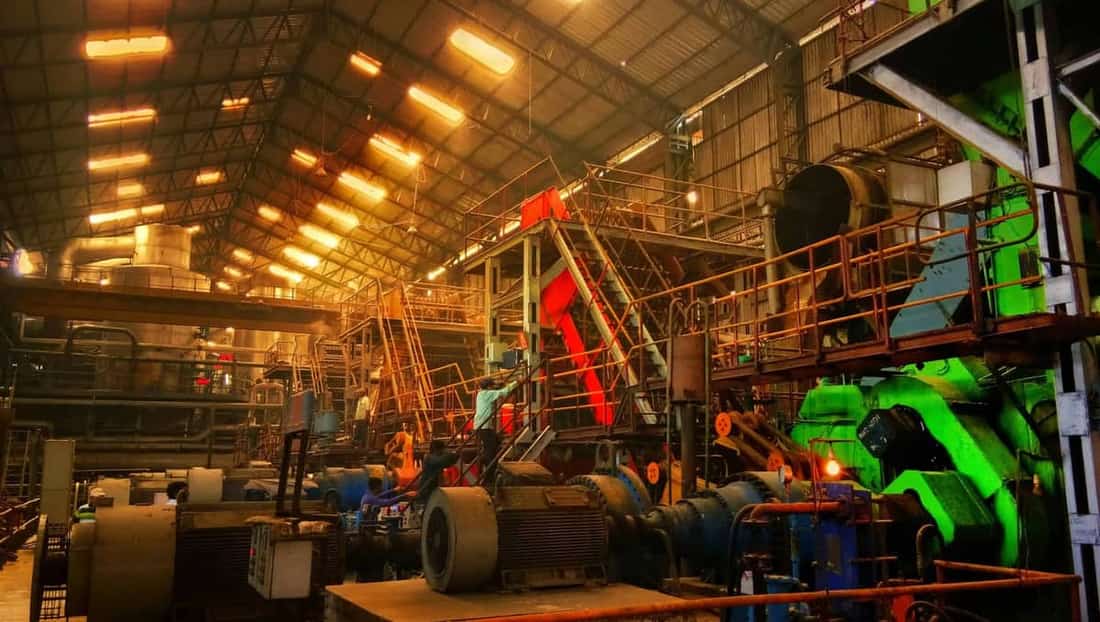
Beyond food processing, Cambridge metal wire mesh belts serve critical roles in heavy industrial thermal processes.Continuous brazing and sintering furnaces in the automotive and powder - metal industries rely on our high - temperature alloy belts to transport components through precisely controlled atmosphere furnaces at temperatures exceeding 1, 100°C.Glass - tempering and annealing lehrs use Cambridge mesh belts to convey glass sheets through heating and cooling zones where belt flatness and minimal thermal expansion are essential for product quality.Electronics manufacturing employs our anti - static metal belts in solder - reflow ovens where consistent, controlled heat transfer across the belt surface determines joint quality and production yield.Metal - finishing operations — washing, phosphating, painting, and curing — depend on our corrosion - resistant belts for continuous parts conveying through multi - stage chemical and thermal processes.In every application, Cambridge’s metallurgical expertise, weave - engineering capabilities, and application - specific design ensure that the belt material, construction, and drive configuration are optimized for the process conditions of the specific installation.