SKF
Bearing Interfaces
Bearing interfaces — the fits between the shaft and bearing bore, and between the housing and bearing outer diameter — are vital to load transmission and correct internal clearance. Too loose a fit allows creeping and fretting corrosion; too tight reduces internal clearance, increasing friction and overheating risk. SKF’s interface selection guidelines use international tolerance standards (ISO) and consider load conditions (rotating vs. stationary load), material properties, temperature differentials, and required ease of mounting/disassembly. General recommendations: rotating inner ring load requires an interference fit on the shaft; stationary outer ring load typically uses a clearance or transition fit in the housing. SKF provides detailed fit tables for every bearing type and offers engineering services to validate custom interfaces. Correctly selected interfaces ensure the bearing performs as designed, without abnormal noise, vibration, or premature wear.
Send an Enquiry
We'll get back to you on WhatsApp.
Trusted by Industry Leaders


























Fit Tables per Bearing Class
ISO fit recommendations for shaft and housing matched to bearing tolerance classes.
Prevention of Creep and Fretting
Interference fits eliminate micro-motion that damages seating surfaces.
Thermal Expansion Compensated
Fits account for differential expansion between steel shaft, aluminum housing, etc.
Ease of Mounting Optimization
Transition fits simplify assembly where frequent replacement is needed.
Load Distribution Improvement
Proper fits maintain full raceway contact, maximizing load rating utilization.
SKF Engineering Validation
Custom fits for extreme non-standard conditions via application support.
Shaft and Housing Fit Recommendations for Rolling Bearings
For inner ring rotating load, an m5, m6, n6, or p6 shaft fit is typical depending on size and load magnitude. Outer ring stationary load often calls for H7 or J7 housing bores. When the outer ring rotates, an interference fit is required in the housing. SKF tables provide proper fits for radial bearings with cylindrical bore, offering clarity for manufacturing drawings.
Consequences of Incorrect Bearing Fits
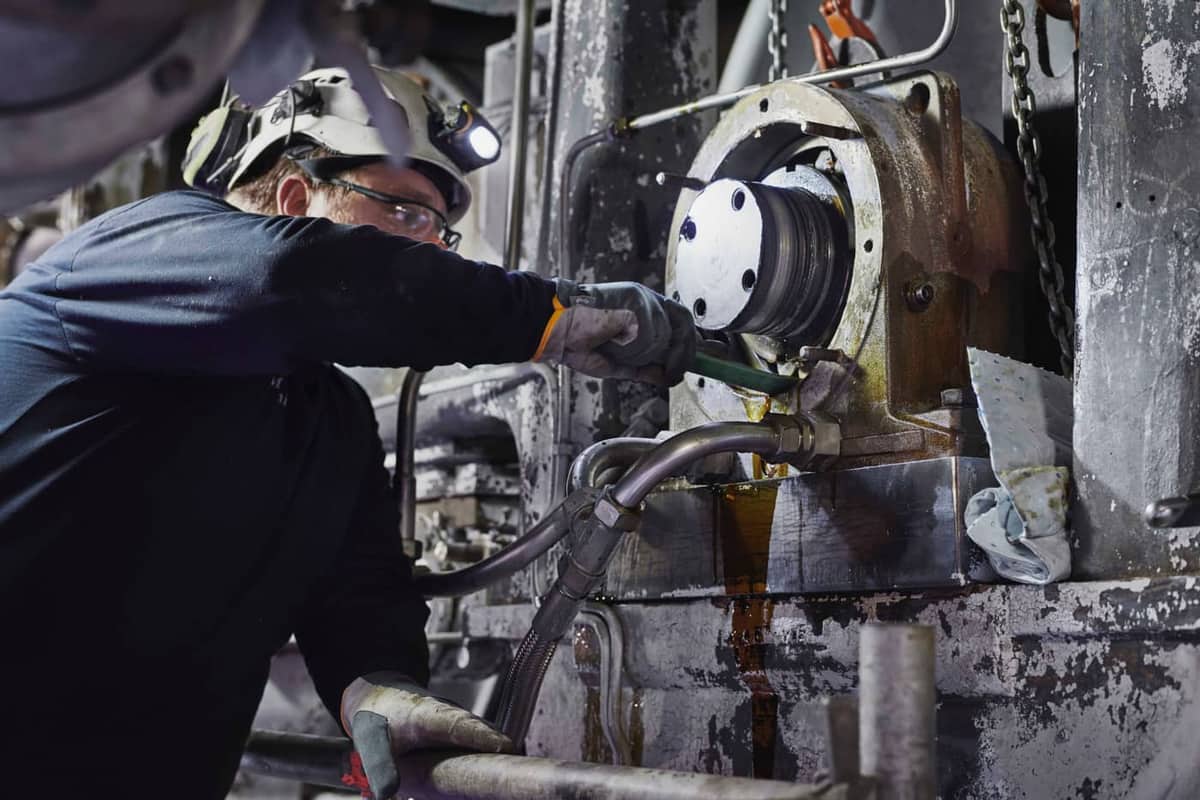
Excessive interference reduces radial internal clearance below zero, leading to high operating torque, heat, and rapid seizure. Loose fits cause ring rotation on shaft or in housing, wearing mounting surfaces and generating debris that contaminates the bearing. Ensuring fit conformity through proper inspection after machining prevents these common field issues.