SKF
Drawn Cup Needle Roller Bearings
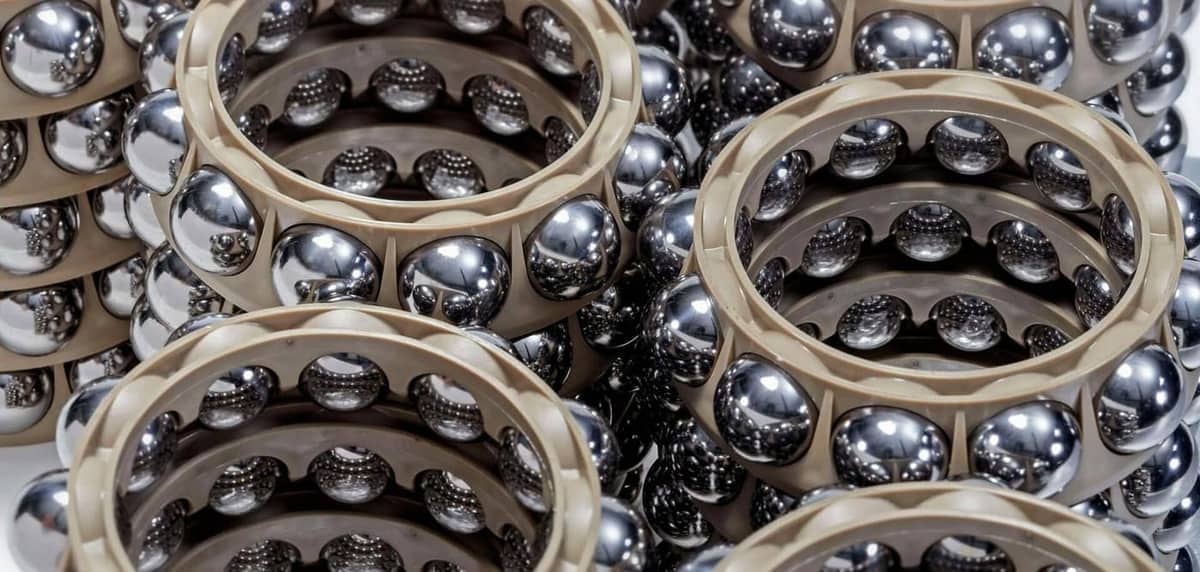
Drawn cup needle roller bearings consist of a thin-walled, deep-drawn outer shell that serves as the outer ring, a needle roller and cage assembly, and optionally an inner ring. SKF offers open and closed end designs, sealed variants, and full complement drawn cup bearings for maximum capacity. Their small radial cross-section and low weight make them ideal for applications where housing bore dimensions cannot be enlarged, such as in planetary gearboxes, transmission shafts, and power tools. The drawn cup outer ring can be pressed directly into a lightweight or thin-walled housing, no additional axial retention is required thanks to the interference fit. SKF bearings in this category are pre-greased and ready to mount, reducing assembly costs. Attention to shaft hardness and finish is necessary to achieve full bearing life.
Send an Enquiry
We'll get back to you on WhatsApp.
Trusted by Industry Leaders



















One-Piece Outer Ring
Drawn shell simplifies housing design and installation.
Compact and Lightweight
Extremely low sectional height saves weight and space.
Pre-Greased and Sealed Options
Ready to mount, reduce assembly lubrication steps.
Full Complement Variants
Highest load capacity possible — no cage, more needles.
Open or Closed Ends
Closed end prevents contamination ingress and retains lubricant.
Shaft Protection Available
Combine with inner rings for shafts that cannot be hardened.
Drawn Cup Needle Bearings in Planetary Gearboxes
In epicyclic gear sets, multiple planet gears require compact, high-load bearings. Drawn cup needle roller bearings pressed into the planet gear bore provide full load support without excessive weight, enabling higher power density gearboxes for automotive, wind, and industrial drives.
Mounting Drawn Cup Bearings: Fit and Installation Tips
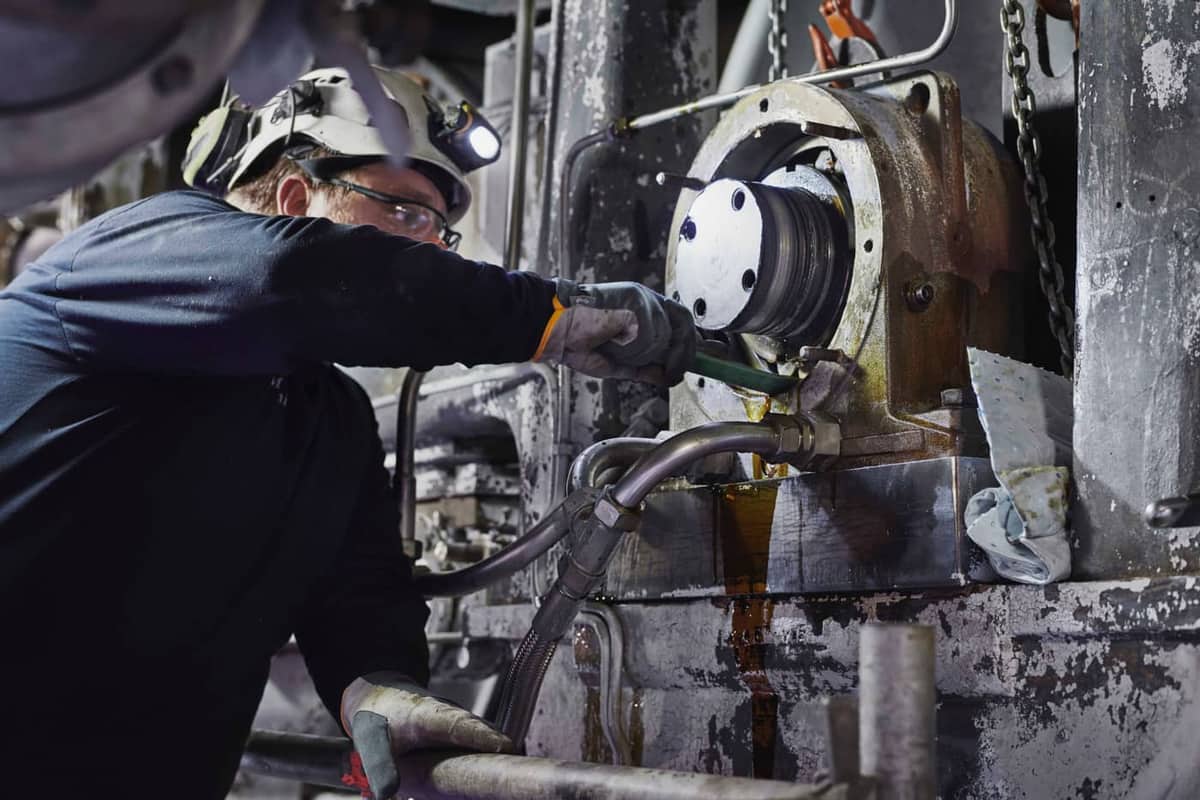
The interference fit of the drawn outer ring requires a careful pressing operation using a mandrel that locates on the cup’s outer face. SKF recommends housing bore tolerances of N6 or N7 for steel housings and N6 for aluminum, with a light interference to prevent cup rotation.