SKF
Engineering Services (Industrial Seals)
SKF’s engineering services for industrial seals encompass the full lifecycle support needed to develop, validate, and optimise sealing solutions. This includes materials development for custom compounds, comprehensive testing and analysis (chemical compatibility, wear testing, pressure cycling, temperature ageing), system knowledge transfer (application engineering, seal selection training, failure analysis), and manufacturing flexibility (from one-off machined prototypes to high-volume moulded production). These services enable OEMs and end-users to solve complex sealing problems, reduce development time, and improve equipment reliability. SKF engineers partner with customers from initial design concepts, through validation and testing, to field performance monitoring. This integrated engineering capability sets SKF apart as a seal development partner, not just a component supplier.
Send an Enquiry
We'll get back to you on WhatsApp.
Trusted by Industry Leaders


















Application Review
SKF engineers analyse your seal environment and recommend solutions.
Prototype Design and Build
From concept to functional prototype in weeks.
FE Analysis of Seal Lip Behaviour
Predicts contact pressure, temperature, and wear.
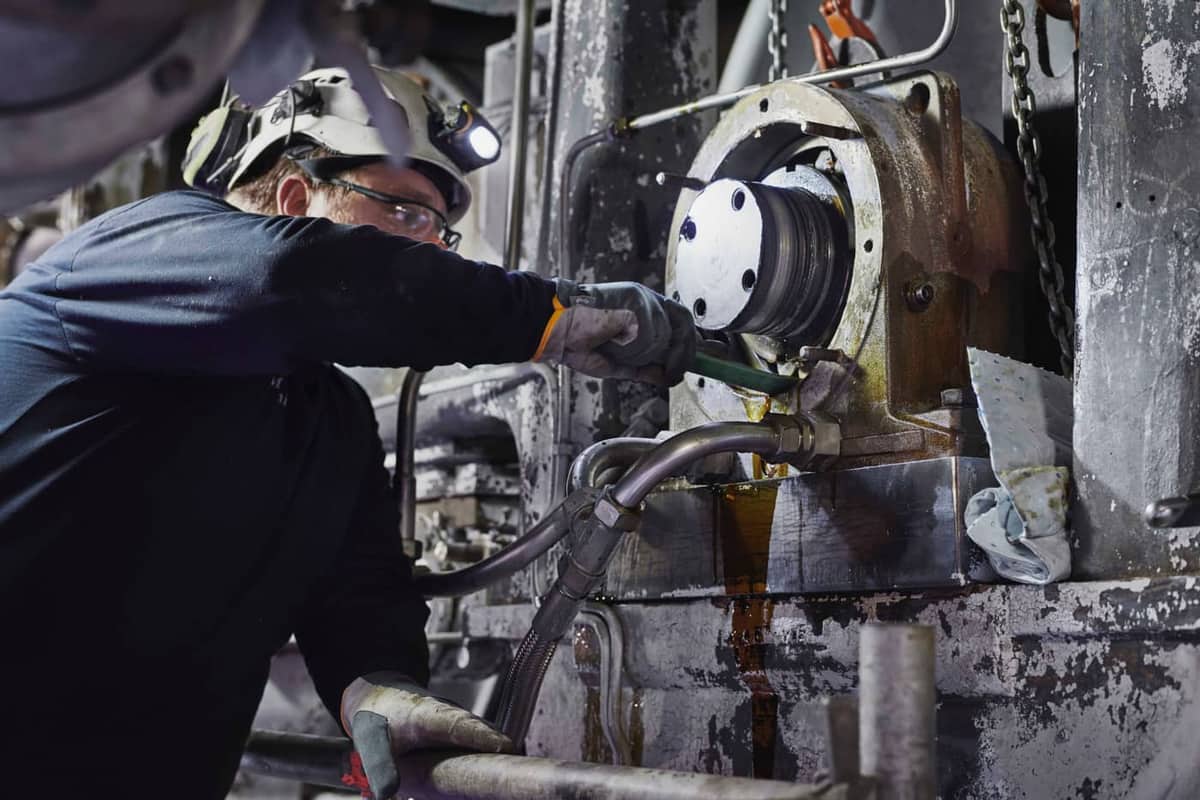
On‑Site Troubleshooting
Root‑cause failure analysis at your plant.
Training Workshops
Skilling your team in seal selection, installation, and maintenance.
Managed Seal Programmes
SKF takes full responsibility for seal performance on a contract.
How a Managed Seal Programme Reduced Downtime for a Steel Mill
SKF assumed responsibility for all hydraulic cylinder seals across the mill. This included on‑site stockholding, seal‑kit preparation, and emergency response. The mill experienced zero unplanned cylinder outages over a two‑year contract, and seal consumption dropped 40% due to standardised, engineered‑fit solutions.
FE Analysis of a Large Reciprocating Pump Seal
SKF modelled the pump’s stuffing box seal under dynamic pressure cycling, identifying a hotspot where the lip temperature exceeded the material limit. By adjusting the lip interference, the peak temperature was brought within safe limits, extending seal life from weeks to years.