
SKF
F01-08 Customized Machined Guide Rings
SKF’s F01-08 programme delivers machined guide rings manufactured to any custom dimension from fabric-reinforced phenolic, polyester, or PTFE-based materials. These guide rings support side loads on non-standard cylinder pistons and rods, keeping the seal clearances controlled and preventing metal-to-metal contact. By machining from tube stock, SKF can produce a guide ring of any width, diameter, and wall thickness, including unique features like step cuts, angle cuts, and lubrication grooves. The service meets the needs of heavy machinery rebuilders who maintain a fleet of older, large, or unique hydraulic cylinders with non-standard gland and piston dimensions. The machined guides are delivered quickly, allowing prompt cylinder overhaul and return to service without the delay and expense of sourcing custom-moulded wear rings.
Send an Enquiry
We'll get back to you on WhatsApp.
Trusted by Industry Leaders






















Customised Diameters and Widths
From stock tube; any size up to large bore.
Grooved and Lubrication Channels
Machined in to distribute grease or oil.
Step Cuts and Angle Cuts
For easy assembly into pistons and glands.
Fabric‑Reinforced Phenolic
High compressive strength for side‑loaded cylinders.
PTFE‑Based Materials
Low friction, suitable for low‑speed, high‑precision cylinders.
Rapid One‑Off or Small Batch
No mould charge for non‑standard sizes.
How Step‑Cut Guide Rings Simplify Assembly
A step‑cut, or “stepped” joint, allows the ring to be opened and slipped into the piston groove without stretching. This is essential for large‑diameter rings that would buckle if stretched. SKF machines the step as part of the SEAL JET process, ensuring a perfect fit when the ring closes.
Upgrading a Cylinder to Composite Guides
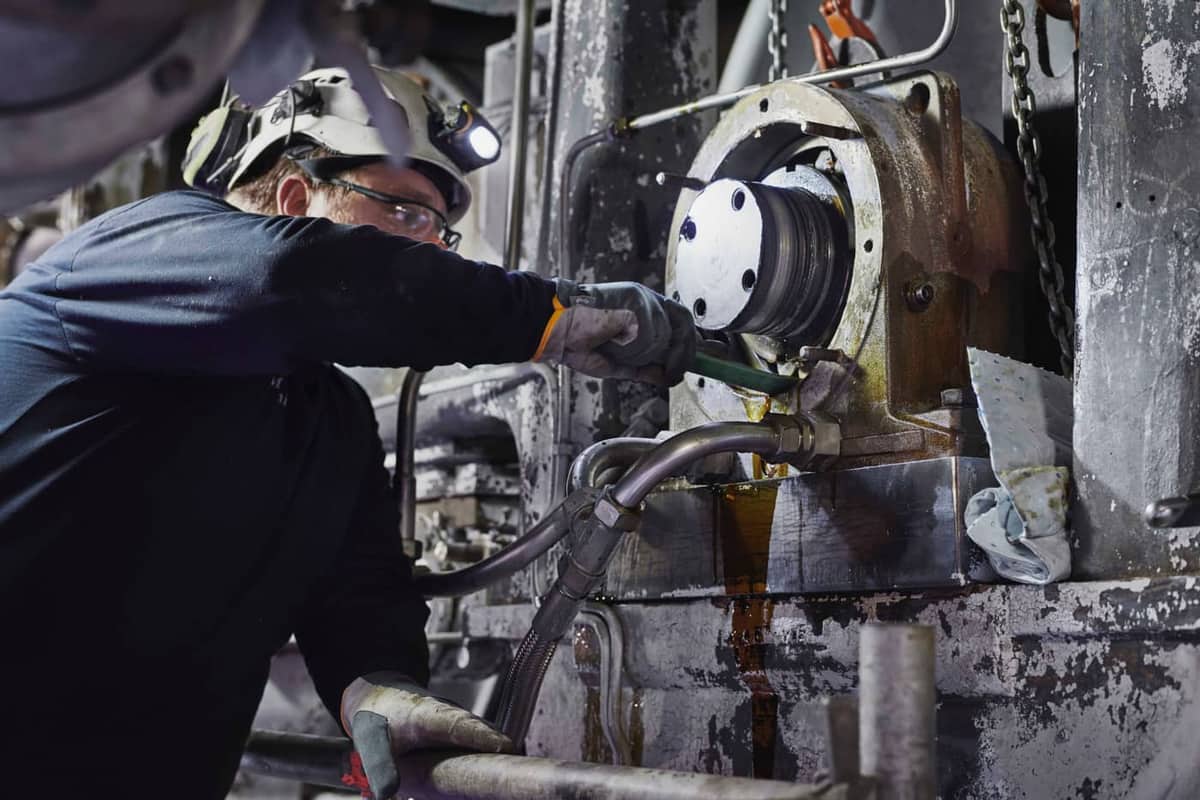
An older cylinder had bronze guide rings that scored the bore and required constant greasing. SKF machined composite guide rings (PTFE‑bronze filled) to the same dimensions, eliminating the greasing requirement, reducing bore wear, and allowing the cylinder to pass stricter environmental discharge permits for hydraulic oil.