SKF
Friction (Spherical Plain Bearings)
Friction torque in spherical plain bearings depends on the material combination, load, and sliding velocity. Steel-on-steel bearings have higher friction, especially at start-up, while PTFE-lined bearings exhibit very low, consistent friction. SKF provides friction coefficient data for each material under different operating conditions. Understanding friction is important for calculating actuator force requirements, predicting heat generation, and selecting the right material for precision applications like aircraft controls, where low and repeatable friction is essential for pilot feel and accurate positioning.
Send an Enquiry
We'll get back to you on WhatsApp.
Trusted by Industry Leaders


























Material‑Dependent Coefficient
µ = 0.03‑0.08 for PTFE; 0.10‑0.25 for steel/steel.
Start‑Up vs. Running Friction
Steel/steel exhibits significantly higher breakaway torque.
Friction‑Induced Heat Calculation
Friction torque × sliding speed yields heat to be dissipated.
Lubrication Effect
Steel/steel friction reduces 50%+ with proper grease.
Stick‑Slip Resistance
PTFE and composite provide smooth, continuous motion without grabbing.
Actuator Sizing Impact
Lower friction reduces required cylinder or motor force, saving energy.
How Friction Affects Control Precision
In aircraft flight controls, predictable, low friction is essential for pilot feel and actuator response. PTFE‑lined bearings maintain a constant friction coefficient regardless of load, providing the linearity needed for fly‑by‑wire feedback loops. SKF’s low‑friction bearings enable more precise control and reduce pilot workload.
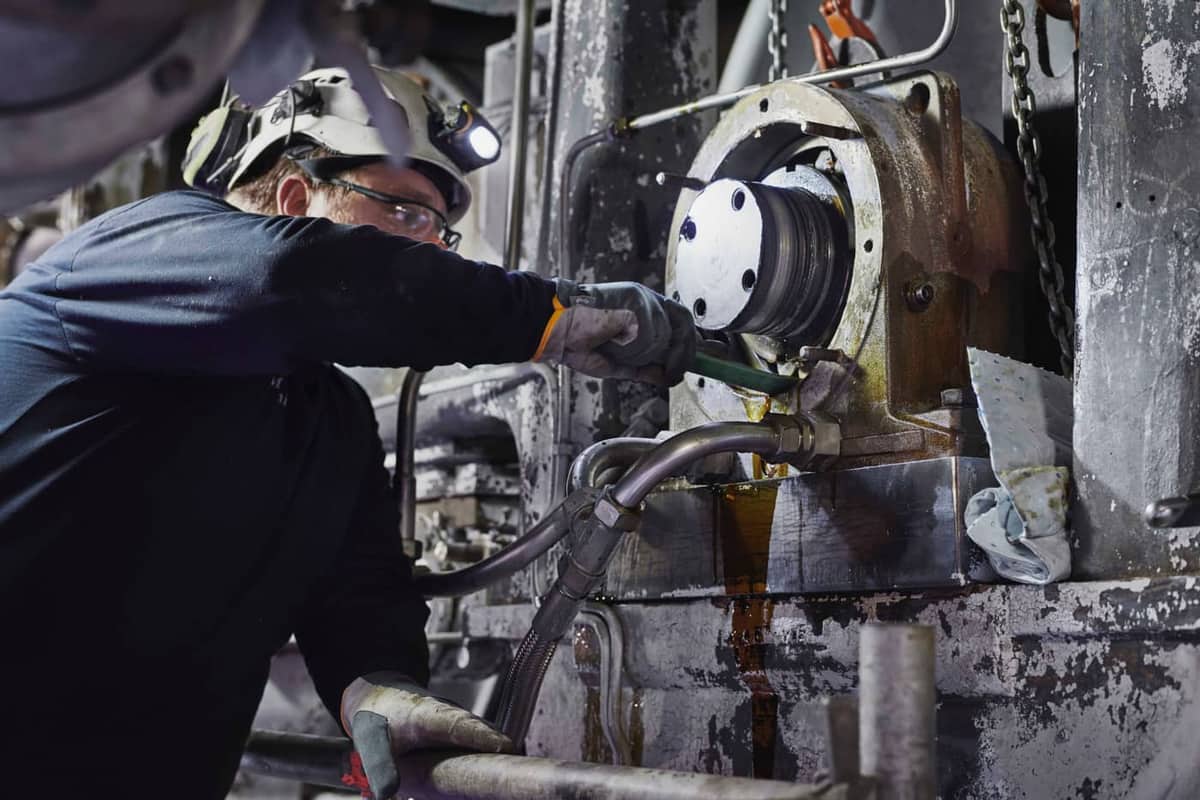
Measuring Friction Torque in the Workshop
A simple friction‑torque measurement using a torque wrench and a pin through the bearing bore, under a specified axial load, indicates whether the bearing is correctly seated and whether the liner is intact. SKF provides friction‑torque acceptance ranges for each bearing size as part of the mounting quality check.