SKF
High-Capacity Cylindrical Roller Bearings
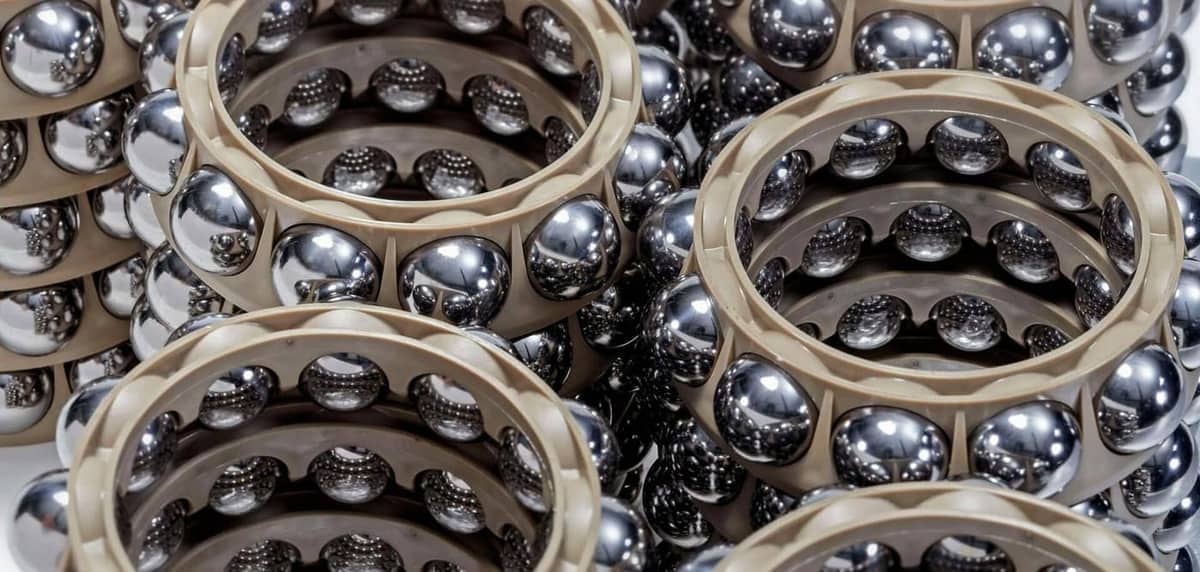
High-capacity cylindrical roller bearings from SKF deliver increased load ratings by incorporating longer, larger-diameter rollers or an increased number of rollers within the same boundary dimensions as standard bearings. They are engineered for applications where space is limited but radial loads are extreme, such as in rolling mills, industrial gearboxes, and heavy vibrating machinery. These bearings often use reinforced cage designs to accommodate the additional roller mass and maintain high-speed capability. SKF Explorer quality is standard, ensuring that the benefits of enhanced load rating translate into extended service life. The range includes variants with E design (extra capacity) and full complement types for maximum load carrying where speed permits. Upgrade to high-capacity designs to improve reliability without redesigning surrounding machine components.
Send an Enquiry
We'll get back to you on WhatsApp.
Trusted by Industry Leaders
























Increased Dynamic Load Rating
Up to 15-30% higher C value compared to standard equivalent bearings.
Same Boundary Dimensions
Drop-in replacement for standard bearings, no redesign needed.
Extended Fatigue Life
Higher load ratio C/P directly yields longer L10mh life.
Reinforced Cages
Sturdy guidance for longer rollers at high acceleration and speeds.
High Radial Stiffness
More rollers improve rigidity, beneficial for gear meshing and spindle accuracy.
Application-Matched Lubrication
Can be equipped with optimized lubrication grooves for oil flow.
Benefits of Upgrading to High-Capacity Cylindrical Roller Bearings
In overloaded gearboxes, standard bearings may fail prematurely. Switching to high-capacity versions increases the safety factor without altering the housing bore or shaft diameter. This is a cost-efficient engineering change that can be implemented during a normal maintenance overhaul.
E-Design and Full Complement High-Capacity Bearings
SKF’s E-design maximizes the number of rollers within a window-type cage for optimum balance of capacity and speed. Full complement designs (e.g., NCF series) forgo the cage entirely, achieving maximum radial capacity but at reduced permissible speed and higher friction.