SKF
High Temperature Bearings and Bearing Units
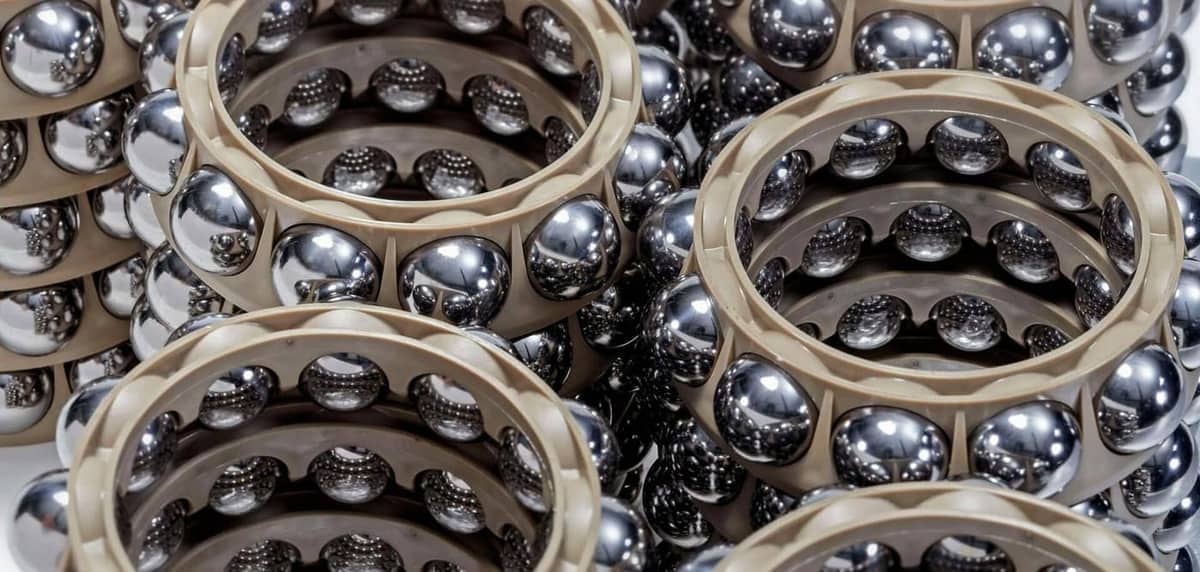
SKF high temperature bearings and bearing units are specifically designed to operate reliably at continuous temperatures from 150°C up to 350°C. These bearings feature dimensionally stabilized heat treatment, significantly increased radial internal clearance (C4 or C5), special manganese phosphate coating for anti-corrosion and anti-galling, and cages made of graphitized carbon or structurally stable brass. Lubricants compatible with extremely high temperatures, such as graphite paste or polyalkylene glycol greases, are used. They are essential for applications like kiln trucks, oven conveyors, furnace fans, and baking lines. SKF also offers high temperature Y-bearing units combining these bearings with coated housings. These products eliminate the need for water-cooled bearing arrangements, simplifying plant design and reducing energy consumption.
Send an Enquiry
We'll get back to you on WhatsApp.
Trusted by Industry Leaders




























Continuous Operation up to 350°C
Dimensional stability through special heat treatment.
Manganese Phosphate Coating
Provides corrosion protection and improves run-in.
Graphite Cage Options
Solid lubrication even if conventional grease carbonizes.
High Clearance (C4/C5)
Accommodates thermal expansion of rings and shaft.
Custom Lubricant Fill
Graphite or PTFE-filled greases resist oxidation at extreme heat.
Eliminates Water Cooling
Simplifies machine design, saves water and energy.
Bearing Selection for Cement Kiln Fans and Kiln Trucks
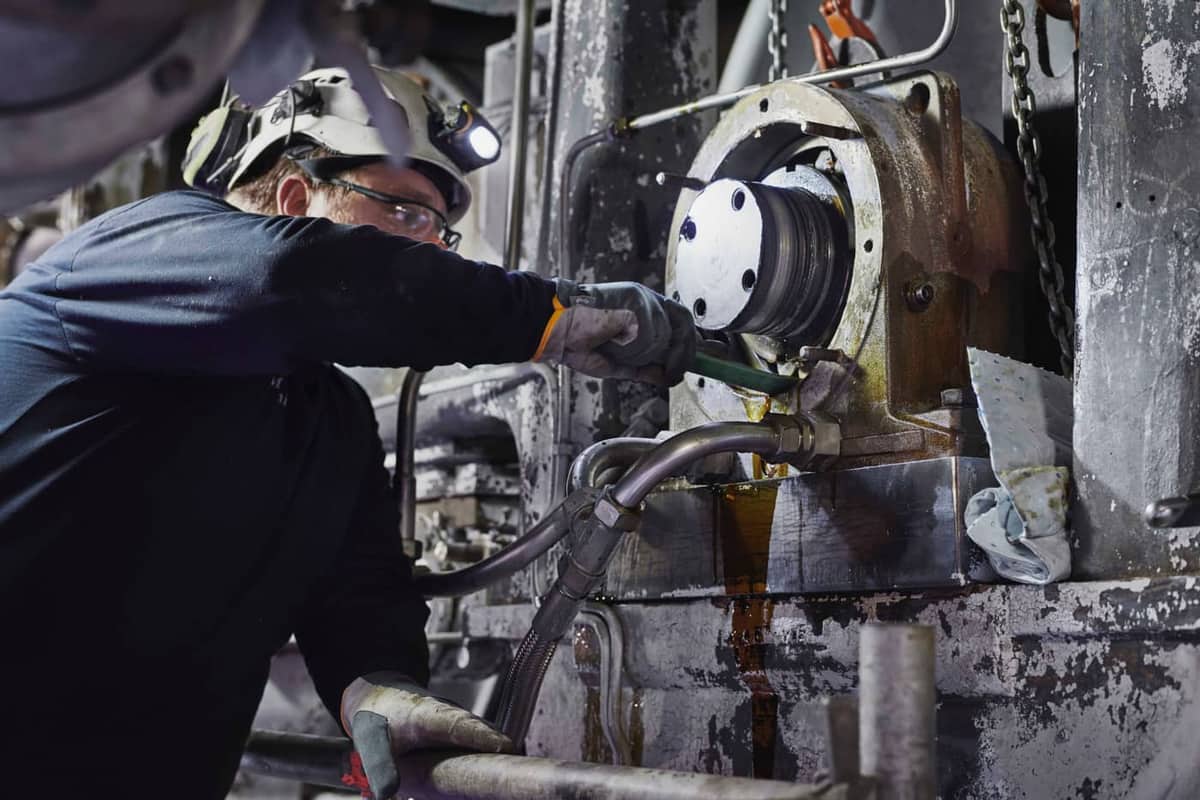
In dry process cement kilns, preheater fans and kiln truck wheels operate in high-heat, dusty conditions. SKF high-temperature bearings maintain reliability without cooling circuits, reducing maintenance complexity and the risk of water leaks into the kiln shell.
Understanding Temperature Limits and Friction Effects
As temperature rises, steel hardness decreases. SKF’s specialized heat treatment stabilizes the microstructure, so the bearing retains its load capacity. Increased internal clearance ensures that radial preload doesn’t become excessive when the inner ring heats more than the outer ring.