
SKF
KT Series Thin Section Tapered Roller Bearings
The KT series from SKF are thin section tapered roller bearings designed for applications requiring high radial and axial load capacity, high stiffness, and a thin profile. The tapered roller geometry provides line contact, distributing loads more effectively than ball bearings, making KT bearings suitable for robotic arm joints, military turret bearings, and heavy automation equipment where moment loading is severe. Separable cup and cone allow independent mounting and preload adjustment. Available in inch sizes, the KT series provides a significant load capacity upgrade within the Reali-Slim envelope. SKF’s attention to roller crowning and surface finish ensures long life even under the high tilting stiffness demands common in cantilevered robotic structures.
Send an Enquiry
We'll get back to you on WhatsApp.
Trusted by Industry Leaders



























High Moment Stiffness
Tapered rollers resist overturning moments better than ball types.
Thin Profile
Same envelope as Reali-Slim ball bearings but with greater load capacity.
Adjustable Preload/Clearance
Separable design allows fine axial setting.
Robust Load Path
Line contact handles shock and vibration without brinelling.
Long Service Life
Optimised roller crowning and Explorer quality material.
Compatible with Reali-Slim Mounting
Same bolt circle patterns for easy upgrade.
KT Series in Industrial Robot Arm Joints
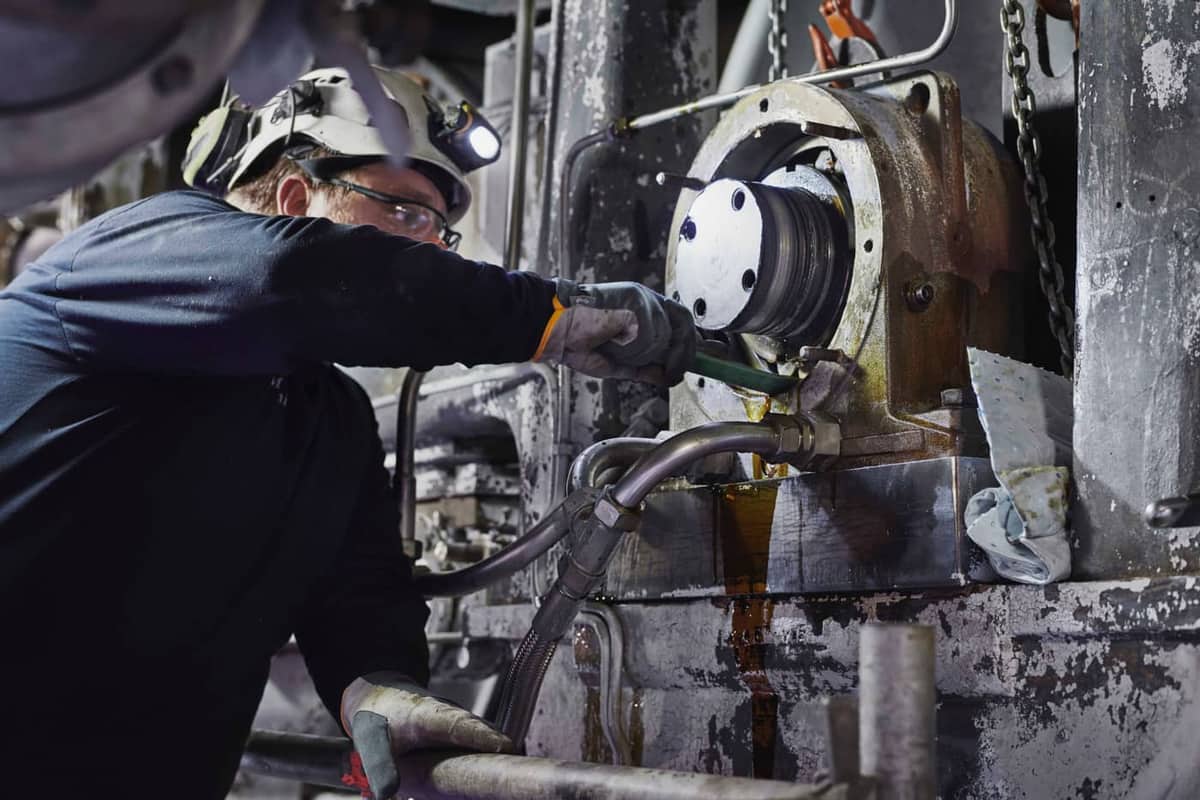
The shoulder joint of a heavy-payload industrial robot must support the entire arm and load weight while articulating. KT series bearings provide the necessary radial and moment stiffness in a thin, lightweight package that keeps the robot arm mass low, improving speed and energy efficiency.
Retrofitting KT Bearings for Increased Capacity
Existing machines designed for Reali-Slim angular contact ball bearings can often be upgraded to KT tapered roller bearings within the same housing envelope. This substantially increases joint stiffness and load rating without changing mounting geometry, a cost-effective design enhancement for next-generation models.