SKF
Lock Nuts
Lock nuts are used in conjunction with lock washers to axially secure bearings on a shaft or adapter sleeve. SKF offers three primary types: lock nuts requiring a keyway (KM, KML series with MB washers), lock nuts with integral locking (KMFE, KMLF series with locking pins or set screws), and precision lock nuts (KMT, KMTA, HNBR series with threaded pins and fine threads). The selection depends on the required precision, vibration levels, and mounting/dismounting frequency. Properly selected and tightened lock nuts maintain the bearing’s axial position and internal clearance, preventing premature failure from ring creep or excessive preload. SKF lock nuts are machined to precise thread classes and surface hardness for reliable, repeatable performance.
Send an Enquiry
We'll get back to you on WhatsApp.
Trusted by Industry Leaders




























Reliable Axial Fixation
Secures bearing inner rings firmly on shafts or sleeves.
Multiple Designs
Keyway, integral locking, and precision versions match application needs.
Easy Assembly and Removal
Spanner, hook wrench, or pin wrench engagement designs.
Precision Threads
Minimizes runout and ensures even pressure distribution on bearing ring.
Durable and Reusable
Hardened surfaces resist thread stripping and deformation.
Vibration-Proof Options
Integral locking nuts resist loosening in high-vibration environments.
How to Select the Right SKF Lock Nut
For general industrial shafts, KM nuts with MB washers are standard. For high vibration (vibrating screens, crushers), KMFE nuts with integral locking screws provide extra security. For super-precision spindles, precision KMT nuts with threaded pins allow fine preload adjustment without inducing runout.
Proper Tightening and Locking Procedures
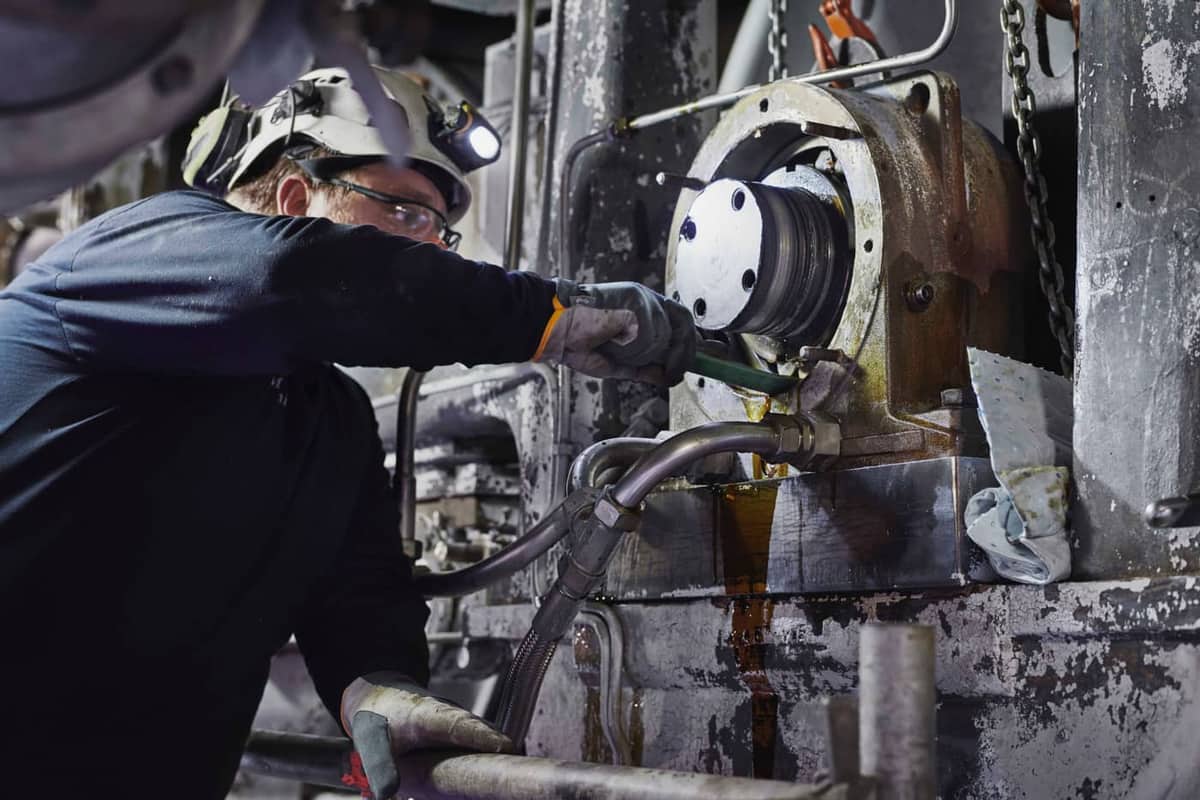
Tighten the lock nut using a suitable spanner until the bearing is properly seated or the required drive-up is achieved. Then secure the lock washer tab. For integral locking nuts, tighten the grub screws to the specified torque. Adhering to SKF’s torque values prevents over-tightening, which can distort thin-section bearings.