SKF products

SKF

Lubrication (Rolling Bearings Selection)

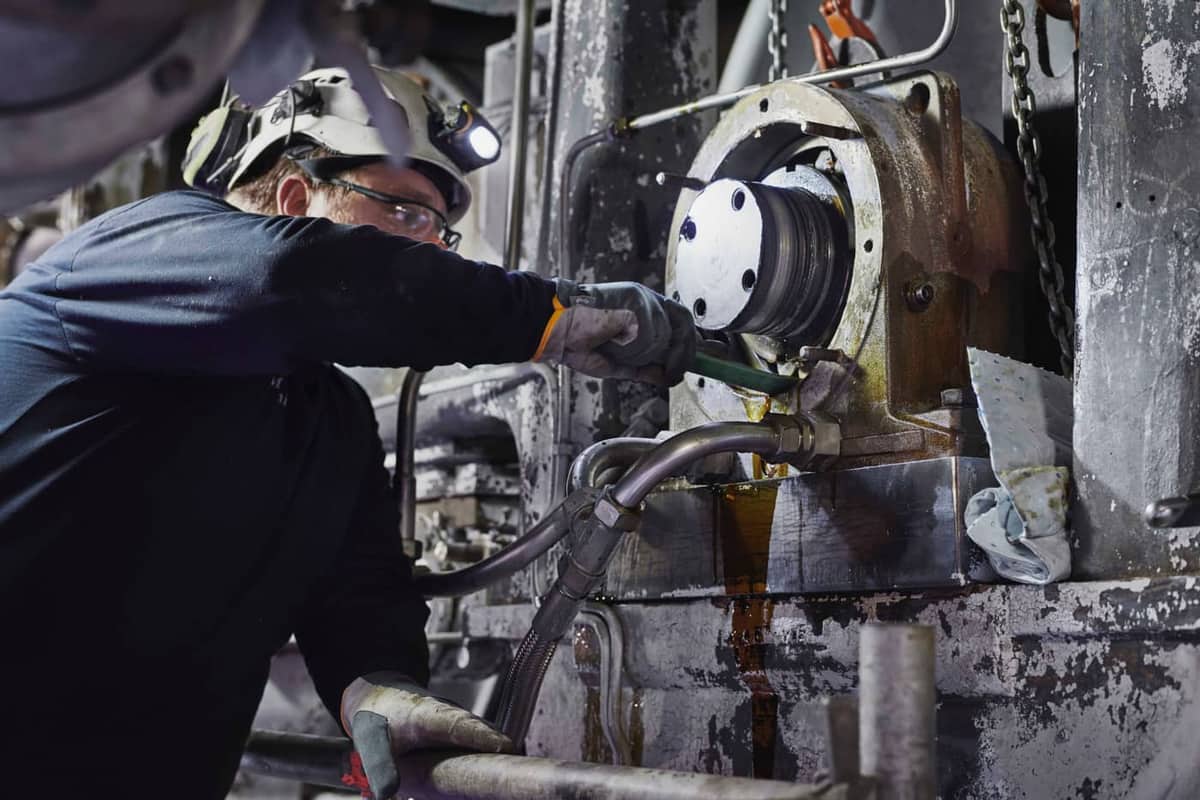
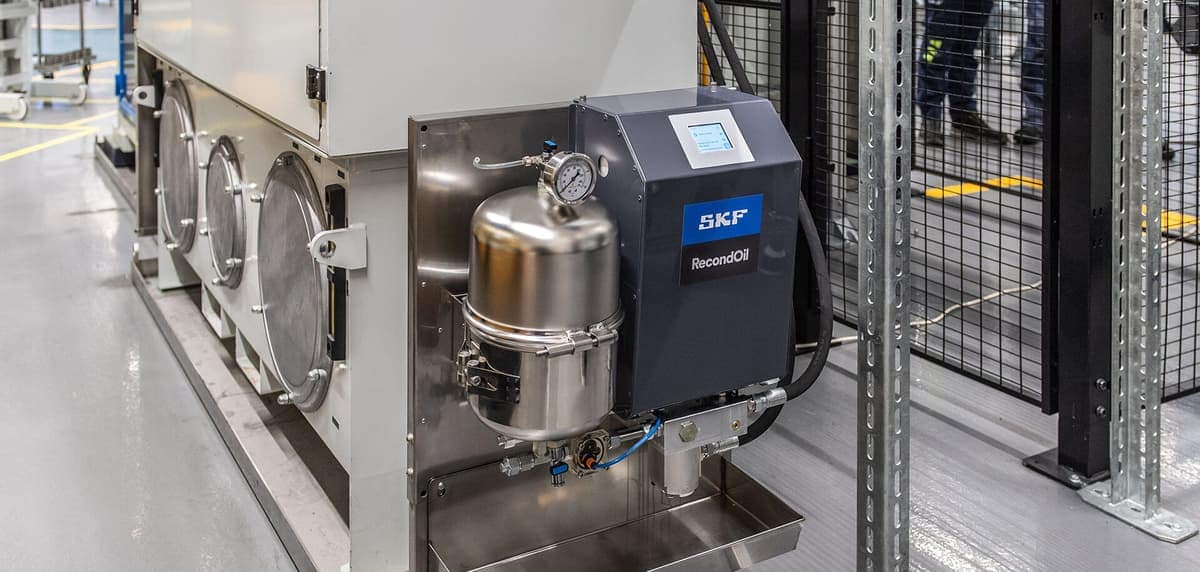
Lubrication is a decisive factor in rolling bearing performance and longevity. It prevents metal-to-metal contact, reduces friction and wear, dissipates heat, protects against corrosion, and seals surfaces from contaminants. SKF’s lubrication selection process for rolling bearings considers grease versus oil, base oil viscosity, thickener type, NLGI grade (for grease), relubrication intervals, and delivery method. The correct lubricant forms an elasto-hydrodynamic (EHL) film that separates rolling elements from raceways. When the viscosity ratio κ (kappa) is ≥1, full film separation greatly extends bearing life. SKF provides tools to calculate required viscosity, grease relubrication intervals, and oil flow rates, as well as recommendations for solid oil, food-grade greases, and lifetime-sealed bearings. Integrating lubrication into the bearing selection process ensures that the design meets its intended service life under real operating conditions.

Send Enquiry

Send an Enquiry

We'll get back to you on WhatsApp.

Trusted by Industry Leaders

SAIL – Steel Authority of India Limited, industrial client of Drishti Powertech
Tata Steel – industrial client of Drishti Powertech
Hindalco – Aditya Birla Group aluminium & copper, industrial client of Drishti Powertech
Jindal Steel & Power – industrial client of Drishti Powertech
NMDC – National Mineral Development Corporation, industrial client of Drishti Powertech
JSW Steel – industrial client of Drishti Powertech
Vedanta ESL Steel Limited – industrial client of Drishti Powertech
NALCO – National Aluminium Company Limited, industrial client of Drishti Powertech
Industrial enterprise – client of Drishti Powertech LLP
Hindustan Copper Limited – Govt. of India enterprise, industrial client of Drishti Powertech
UltraTech Cement – industrial client of Drishti Powertech
Coal India Limited – industrial client of Drishti Powertech
ACC Cement – industrial client of Drishti Powertech
Indian Oil Corporation – industrial client of Drishti Powertech
SAIL – Steel Authority of India Limited, industrial client of Drishti Powertech
Tata Steel – industrial client of Drishti Powertech
Hindalco – Aditya Birla Group aluminium & copper, industrial client of Drishti Powertech
Jindal Steel & Power – industrial client of Drishti Powertech
NMDC – National Mineral Development Corporation, industrial client of Drishti Powertech
JSW Steel – industrial client of Drishti Powertech
Vedanta ESL Steel Limited – industrial client of Drishti Powertech
NALCO – National Aluminium Company Limited, industrial client of Drishti Powertech
Industrial enterprise – client of Drishti Powertech LLP
Hindustan Copper Limited – Govt. of India enterprise, industrial client of Drishti Powertech
UltraTech Cement – industrial client of Drishti Powertech
Coal India Limited – industrial client of Drishti Powertech
ACC Cement – industrial client of Drishti Powertech
Indian Oil Corporation – industrial client of Drishti Powertech
ONGC – Oil and Natural Gas Corporation, industrial client of Drishti Powertech
GAIL India Limited – industrial client of Drishti Powertech
NTPC – National Thermal Power Corporation, industrial client of Drishti Powertech
Tata Power – industrial client of Drishti Powertech
Indian Railways – industrial client of Drishti Powertech
IFFCO – Indian Farmers Fertiliser Cooperative, industrial client of Drishti Powertech
Super Smelters Limited – industrial client of Drishti Powertech
Rashmi Group – industrial client of Drishti Powertech
Shyam Steel – industrial client of Drishti Powertech
S R Rungta Group – industrial client of Drishti Powertech
MP Birla Group – industrial client of Drishti Powertech
Usha Martin – industrial client of Drishti Powertech
Shyam Metalics – industrial client of Drishti Powertech
Nuvoco Vistas Corporation – industrial client of Drishti Powertech
ONGC – Oil and Natural Gas Corporation, industrial client of Drishti Powertech
GAIL India Limited – industrial client of Drishti Powertech
NTPC – National Thermal Power Corporation, industrial client of Drishti Powertech
Tata Power – industrial client of Drishti Powertech
Indian Railways – industrial client of Drishti Powertech
IFFCO – Indian Farmers Fertiliser Cooperative, industrial client of Drishti Powertech
Super Smelters Limited – industrial client of Drishti Powertech
Rashmi Group – industrial client of Drishti Powertech
Shyam Steel – industrial client of Drishti Powertech
S R Rungta Group – industrial client of Drishti Powertech
MP Birla Group – industrial client of Drishti Powertech
Usha Martin – industrial client of Drishti Powertech
Shyam Metalics – industrial client of Drishti Powertech
Nuvoco Vistas Corporation – industrial client of Drishti Powertech

Viscosity Ratio-Based Selection

SKF’s κ criterion quantifies lubrication effectiveness and predicted life.

Grease and Oil Solutions

Choose from standard, high-temperature, low-noise, and food-grade lubricants.

Relubrication Interval Calculators

DialSet and LubeSelect tools optimize grease replenishment schedules.

Sealed-for-Life Options

Integrated grease in 2Z/2RS bearings eliminates maintenance for many applications.

Solid Oil Technology

Bearings with Solid Oil resist washout and provide long-term lubrication in harsh environments.

Contamination Management

Lubrication planning includes sealing and filtration to maintain oil cleanliness.

Grease vs. Oil Lubrication for Rolling Bearings: Which to Choose?

Grease lubrication simplifies housing design and provides a sealing effect, ideal for moderate speeds and temperatures. Oil lubrication achieves superior cooling and contaminant flushing, needed for high-speed, high-temperature applications like machine tool spindles or gearboxes. SKF helps weigh the trade-offs based on speed factor n·dm, operating temperature, and maintenance accessibility.
SKF product
SKF application

How to Determine the Correct Relubrication Interval for Grease Bearings

The interval depends on bearing size, speed, temperature, and grease type. SKF provides the dial formula method, which adjusts a base interval using correction factors. Excessively frequent regreasing can lead to churning losses and overheating; under-greasing causes starvation. Balancing through calculation prevents both failure modes.