SKF
Machined Seals
SKF machined seals are custom-manufactured sealing components produced by machining from solid material rather than by molding. This manufacturing method is essential for large-diameter seals (typically above 500 mm), small production quantities where molding tooling costs are prohibitive, complex cross-section geometries that cannot be molded, and applications requiring urgent delivery that cannot wait for mold fabrication. The SKF machined seals portfolio includes large radial shaft seals for heavy industrial equipment such as rolling mills, marine propulsion shafts, and wind turbine main shafts; hydraulic seals for very large cylinders; and specialty seals in advanced polymer and elastomer materials including PTFE, polyurethane, and high-performance thermoplastics. For design engineers developing large-scale equipment, maintenance teams needing rapid replacement of failed large seals, and OEMs with low-volume specialized machinery, SKF machined seals provide a flexible, responsive source for high-quality sealing solutions that molded seal suppliers cannot economically or practically provide.
Send an Enquiry
We'll get back to you on WhatsApp.
Trusted by Industry Leaders


























No Tooling Costs or Lead Times
Since machined seals are manufactured directly from solid material using CNC machining, there's no investment in molding tooling and no waiting for tool fabrication — ideal for prototyping and low-volume production.
Unlimited Diameter Capability
Where molded seals are limited by press size and mold dimensions, machined seals can be produced in virtually any diameter, making them the only practical option for very large equipment.
Complex Cross-Section Geometries Possible
CNC machining can produce seal profiles that would be impossible or prohibitively expensive to mold, enabling optimized sealing performance for unique applications.
Wide Material Selection Including Advanced Polymers
Machining allows the use of materials that are difficult or impossible to mold, including filled PTFE compounds, ultra-high-molecular-weight polyethylene, and specialty engineering thermoplastics.
Rapid Turnaround for Emergency Replacements
When a critical large seal fails and production is stopped, machined seals can be manufactured and shipped in days rather than the weeks or months required for new-mold seal production.
One-Off and Small-Batch Production Economical
Without the amortization of expensive mold tooling, machined seals are cost-effective even for quantities as low as a single piece.
When Machined Seals Are the Right Choice
Most industrial seals are produced by compression, transfer, or injection molding — processes optimized for high-volume production where the cost of mold tooling is amortized over thousands or millions of parts. Machined seals become the preferred manufacturing method when any of several factors make molding impractical. Large diameters (typically over 500-600 mm) exceed the capacity of most seal molding presses. Low annual quantities (from one to a few hundred) make mold amortization economically unviable. Complex cross-section geometries may be impossible to extract from a mold. Urgent delivery requirements cannot wait the 8-16 weeks typical for mold design, fabrication, and sampling. In each case, SKF machined seals provide a practical, high-quality alternative that delivers sealing performance equivalent to molded seals at a total cost that is lower when tooling and lead time are factored into the economic comparison.
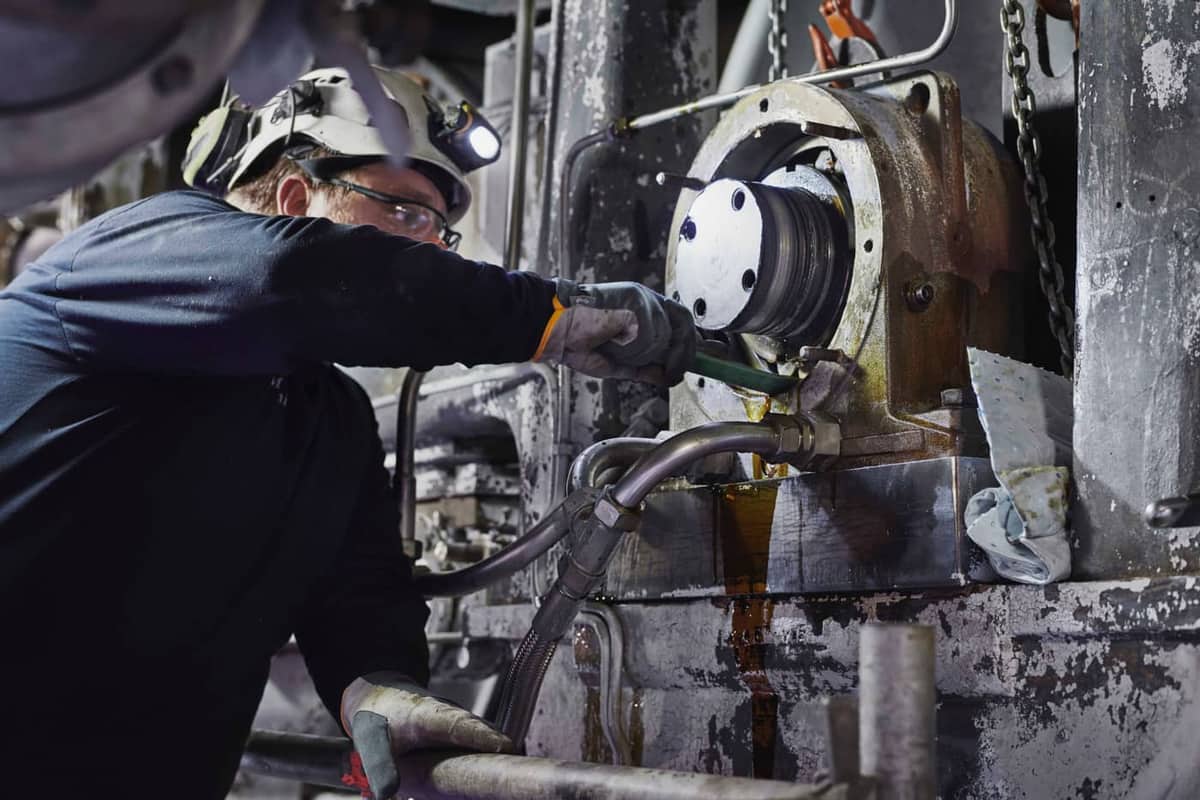
Machined Seal Materials and Capabilities
SKF machined seals utilize a broad palette of engineering polymers, each selected for specific application requirements. Virgin PTFE offers universal chemical resistance and the widest temperature range (-200°C to +260°C) of any seal material. Filled PTFE compounds incorporate additives such as glass fiber, carbon, graphite, or bronze to improve wear resistance, compressive strength, and thermal conductivity for demanding dynamic applications. Ultra-high-molecular-weight polyethylene (UHMWPE) provides excellent abrasion resistance and impact strength for applications involving slurries and particulate-laden fluids. Thermoplastic polyurethane offers the resilience and extrusion resistance needed for high-pressure hydraulic applications. Engineering thermoplastics such as PEEK (polyetheretherketone) provide strength and chemical resistance at temperatures up to 260°C. SKF application engineers can recommend the optimal material for each machined seal's specific operating conditions.