SKF
Metal Face Seals
Metal face seals (also known as heavy-duty duo-cone seals or floating seals) are two metal rings with precisely lapped mating faces that form a dynamic rotary seal. A rubber toric ring positions each metal ring and provides the axial face load. SKF metal face seals are used in extremely abrasive environments where traditional lip seals fail: track rollers and idlers on bulldozers, conveyor pulleys in mining, and cutter heads on tunnel boring machines. They tolerate extreme misalignment, face runout, and heavy contamination, while requiring minimal maintenance. The lapped sealing faces create a microscopic oil film that carries load and provides low friction. SKF metal face seals are available in various sizes and material combinations, with special coatings for corrosion and wear resistance.
Send an Enquiry
We'll get back to you on WhatsApp.
Trusted by Industry Leaders



























Lapped Metal Faces
Extremely hard, smooth surfaces ensure long wear life under abrasive conditions.
High Misalignment Tolerance
Floating design maintains seal despite shaft deflection.
Wide Temperature Range
Alloy and elastomer options for -40°C to +200°C.
Zero Maintenance
Self-contained, no external lubrication or adjustment needed.
Proven in Mining and Construction
Industry-standard for rollers, idlers, final drives.
Custom Designs Available
SKF engineers special sizes and face loadings.
Metal Face Seals in Mining Conveyor Rollers
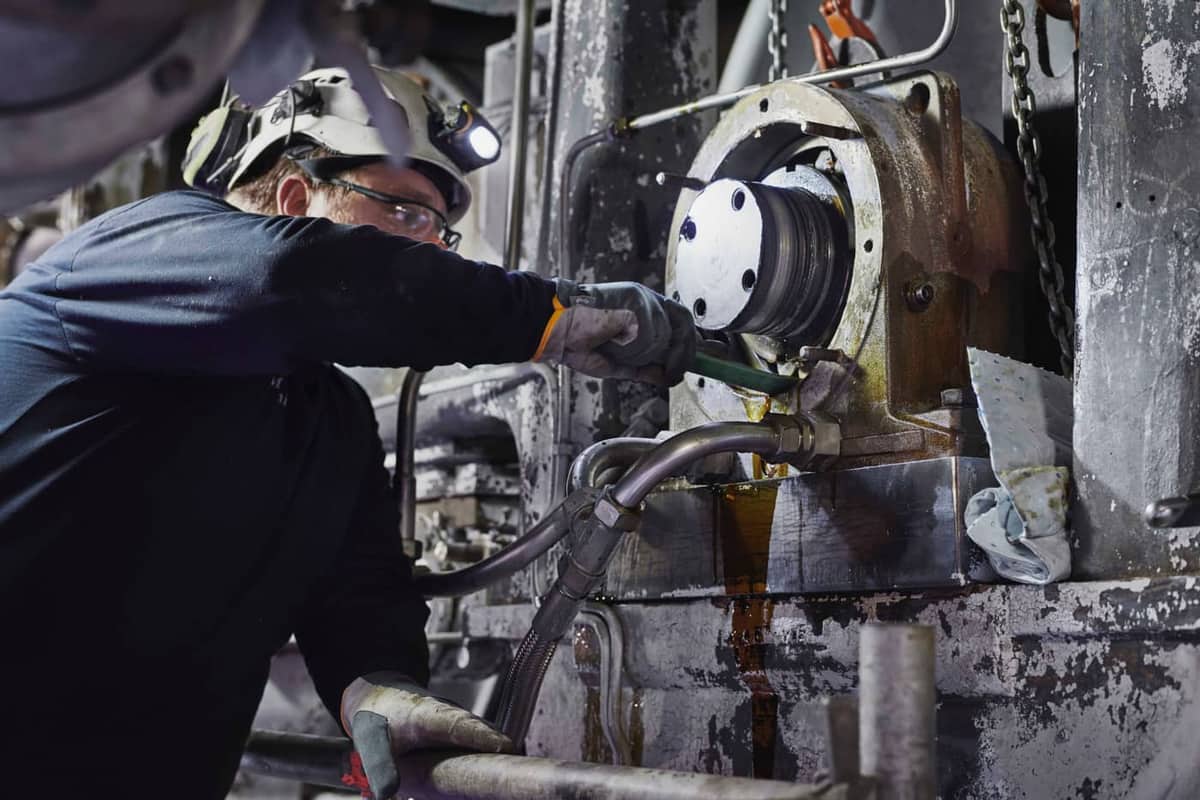
Conveyor idler rollers in iron ore mines experience constant grit, water, and heavy radial loads. SKF metal face seals protect the roller bearings far more effectively than standard lip seals, often doubling idler life. The reduced roller failure rate saves significant maintenance labour and prevents belt downtime.
Fitting and Assembly of Metal Face Seals
The rubber load rings are placed into the housing and shaft counterbores. The metal rings are pressed in, and the initial axial compression of the rubber provides the sealing face load. SKF specifies housing depths and assembly pressures to achieve the correct face contact pressure without over-compression.