
SKF
Operating Temperature and Speed
Operating temperature and speed critically influence rolling bearing performance and material suitability. SKF bearings are rated for specific thermal limits defined by dimensionally stabilized heat treatment, cage material, lubricant performance, and seal material. The thermal speed rating, nδr, indicates the speed at which a bearing can operate continuously without overheating under reference conditions. For applications pushing these boundaries, hybrid ceramic bearings, special high-temperature lubricants, and alternative cage materials extend the operating envelope. Understanding the relationship between speed, friction-generated heat, and required lubricant viscosity is essential. Too low a speed with insufficient load can cause smearing; excessive speed raises temperature beyond the lubricant’s capability. SKF provides correction factors and practical guidance to select bearings that perform reliably, from cryogenic temperatures to 350°C and from ultra-low creeping speeds to over 1 million n·dm.
Send an Enquiry
We'll get back to you on WhatsApp.
Trusted by Industry Leaders




























Thermally Stabilized Bearings
Dimensional stability up to 150°C (S1), 200°C (S2), and beyond.
High-Speed Capability
Reference and limiting speeds guide selection for fast rotating machinery.
Ceramic Hybrid Options
Silicon nitride balls reduce friction, enable higher speeds, and operate in poor lubrication.
Special Lubricants
SKF LGHB 2, LGHP 2, and LGWM 2 extend service temperatures from -50°C to 260°C.
Clearance Adjustment
C3, C4 internal clearance accommodates thermal expansion in hot applications.
Speed/Life Trade-Off Analysis
Tools quantify how speed reduction prolongs bearing life in continuous processes.
Managing High Operating Temperatures in Bearing Applications
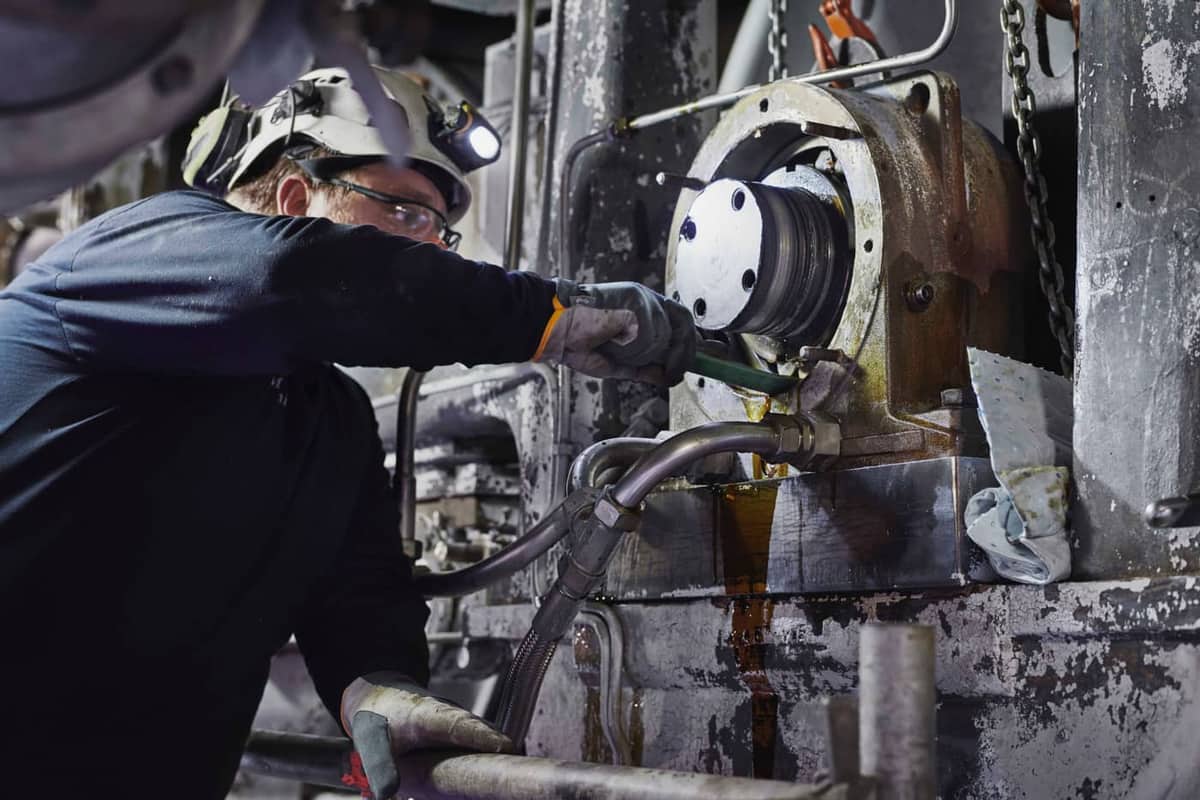
Steel processing equipment, industrial ovens, and kiln trucks expose bearings to sustained high heat. SKF high-temperature bearings with manganese phosphate coating and graphite cage options operate reliably up to 350°C. Specifying the correct internal clearance and using a suitable high-temperature grease prevents hardening raceways and lubricant carbonization.
Speed Capability and Thermal Limits for Rolling Bearings
The reference speed represents an equilibrium temperature of 70°C under defined conditions. Actual permissible speed may be lower depending on load, viscosity, and ambient temperature. SKF’s SimPro tools simulate bearing thermal equilibrium, helping engineers validate bearing suitability for high-speed spindles or electric motor rotors.