SKF
Overview (Automatic Lubrication Systems)
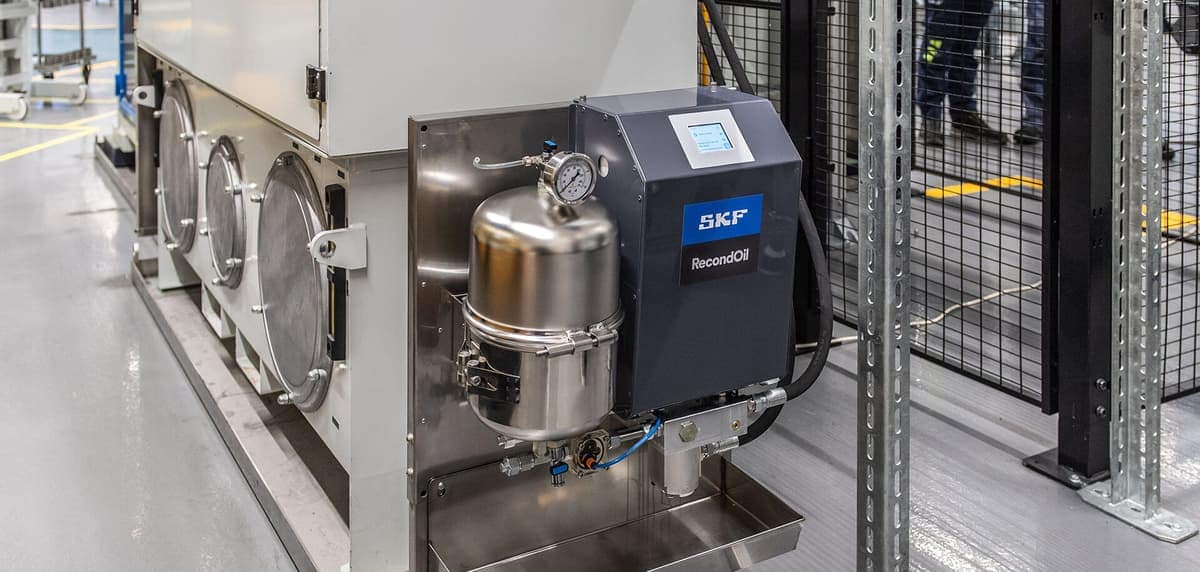
This overview introduces SKF’s family of automatic lubrication systems, outlining the operating principles, typical configurations, and application suitability of each system type. It provides a decision framework for identifying whether a single-line, dual-line, progressive, oil circulation, oil+air, MQL, or chain lubrication system best fits the machine’s size, distance, number of points, lubricant type, and required monitoring. The overview also highlights the support SKF provides — from system design and component selection to installation, commissioning, and integration with condition monitoring. For reliability engineers and maintenance managers considering the move from manual to automated lubrication, this overview is the essential starting point to understand the available technologies and their benefits.
Send an Enquiry
We'll get back to you on WhatsApp.
Trusted by Industry Leaders







Decision Framework
System‑type selection based on number of points, distance, and lubricant.
Single‑Line vs. Dual‑Line vs. Progressive
Side‑by‑side comparison of strengths.
Oil Circulation and Oil+Air Explained
When and why these specialised systems are needed.
Chain and MQL Niche Solutions
Filling the gaps for specific industrial challenges.
Condition‑Assisted Lubrication Introduction
The smart‑lube future.
Engineering Partnership
How SKF supports system design, commissioning, and training.
How the Overview Guides System Selection for a New Plant
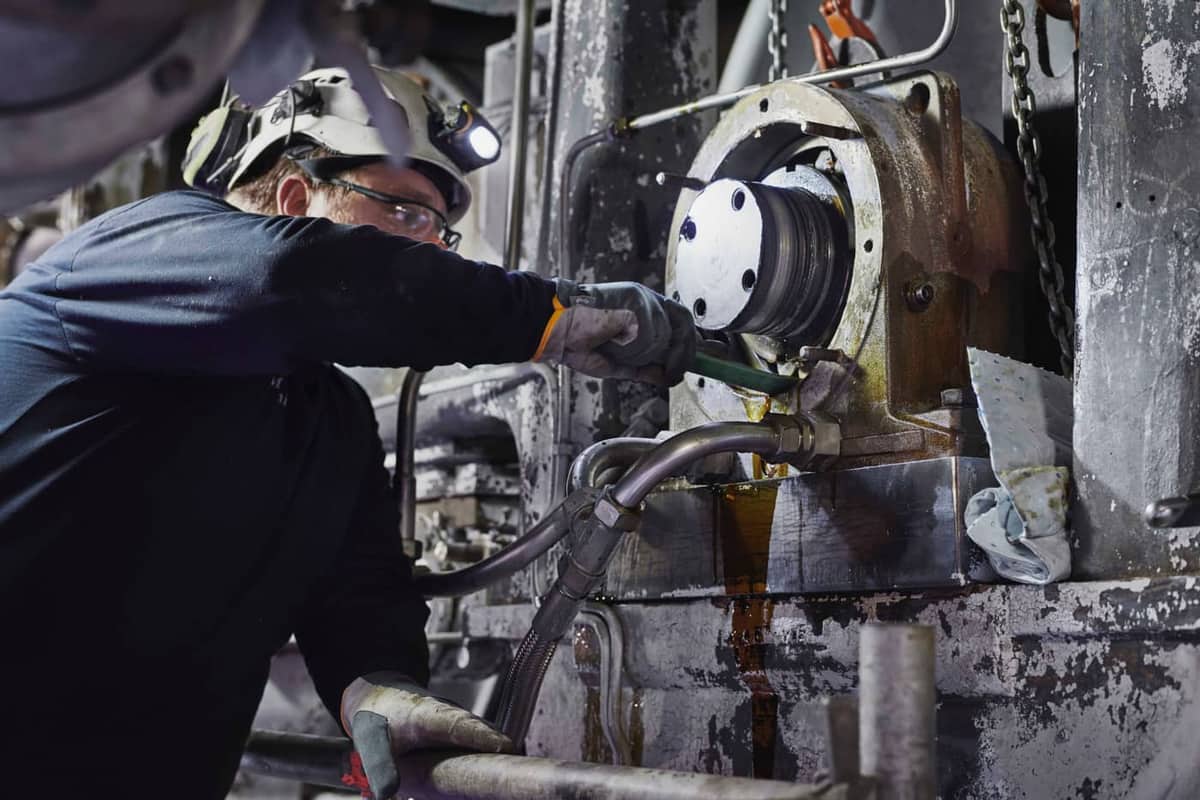
By presenting the five main system types with their distance capabilities, point counts, and lubricant compatibility, the overview allows a plant engineer to quickly eliminate unsuitable options. For example, a long conveyor with 400 points immediately points to dual‑line; a high‑speed spindle points to oil+air. This first‑level filter saves hours of research.
The Economic Justification of Automatic Lubrication
The overview includes a simplified ROI calculator: compare annual manual greasing labour, lubricant waste, and bearing replacement cost against the capital and maintenance cost of an automatic system. In most heavy‑industry applications, the payback is less than two years, often accelerated by one prevented bearing failure.