
SKF
Performance Requirements and Operating Conditions
Defining performance requirements and operating conditions is the critical first step in bearing selection. This phase captures all functional demands: the magnitude, direction, and nature of loads (static, dynamic, shock, continuous), rotational speeds including acceleration and deceleration profiles, desired service life, and reliability targets. Equally important are environmental conditions — ambient and generated temperatures, exposure to moisture, dust, chemicals, washdown, or vacuum. The presence of external vibrations, electrical currents (VFD-induced), and radiation also influence bearing and lubricant choices. Accurate characterization of these parameters enables engineers to calculate equivalent dynamic and static loads, select appropriate bearing materials, and define lubrication and sealing strategies that prevent premature failure. SKF’s application engineering services and simulation tools help translate real-world machine conditions into specification-ready data, ensuring that the subsequent design steps are founded on reality, not assumptions.
Send an Enquiry
We'll get back to you on WhatsApp.
Trusted by Industry Leaders






















Comprehensive Load Analysis
Define radial, axial, moment, and combined loads for all operating phases.
Speed Profile Mapping
Capture operating speed range, over-speed conditions, and start-stop frequency.
Temperature Limits Setting
Normal operating range and peak temperatures influence lubricant and material choices.
Contamination Characterization
Identify particle type, size, concentration, and water presence for seal and grease selection.
Electrical and Chemical Stressors
Account for stray currents, aggressive atmospheres, and radiation exposure.
Service Life and Reliability Targets
Translate MTBF or L10mh requirements into design parameters.
Why Accurate Operating Conditions Are Essential for Bearing Life
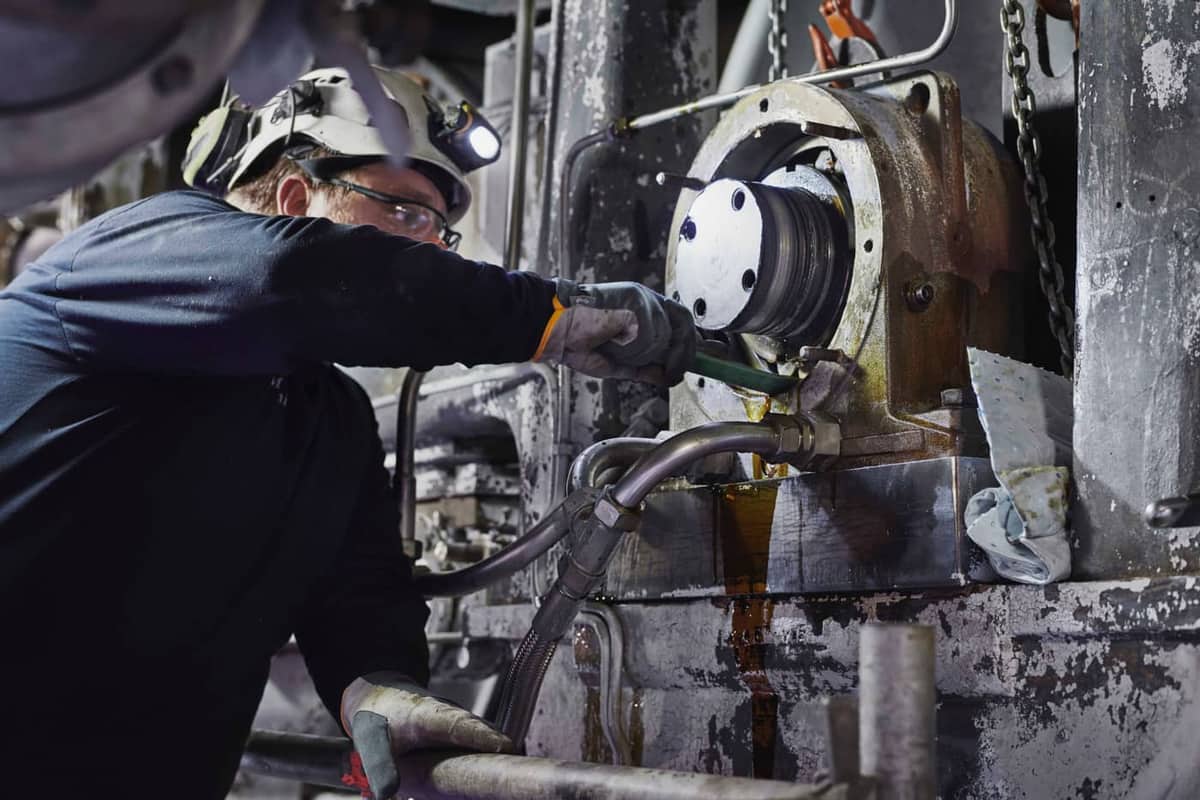
Assuming clean, room-temperature conditions when the application is a hot, dusty steel mill leads to catastrophic under-design. SKF’s contamination factor and viscosity ratio concept quantifies the reduction in bearing life caused by inadequate lubrication and contamination. Capturing real conditions ensures the chosen bearing will achieve its calculated rating life, not a fraction of it.
Typical Performance Requirements by Industry Sector
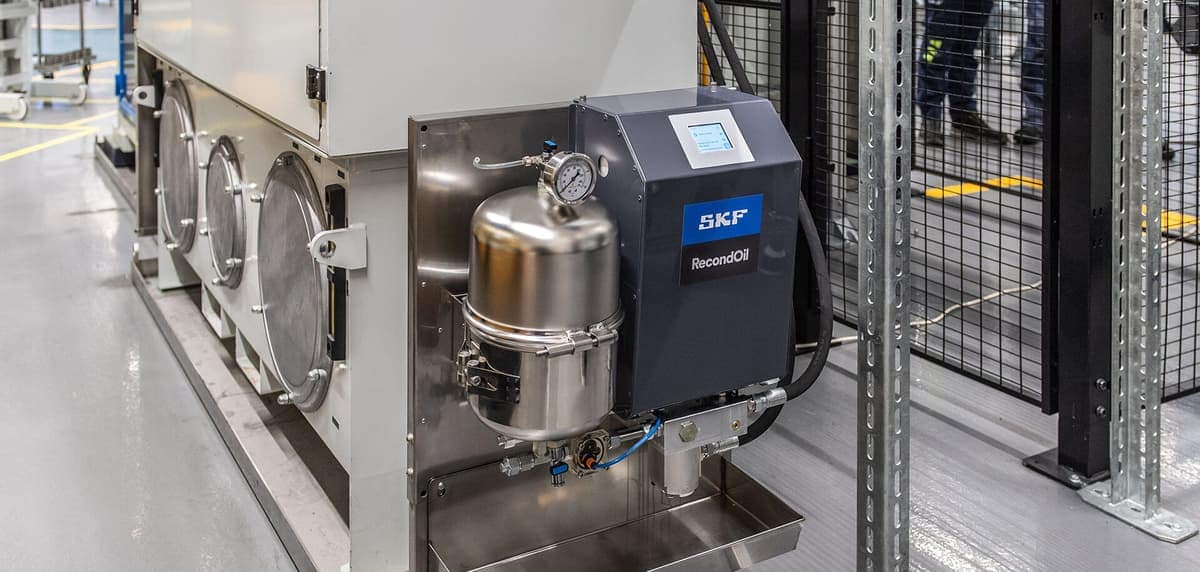
In mining conveyors, heavy shock loads and misalignment dominate. In electric motors, high speeds and potential electric erosion require insulated or ceramic bearings. In food processing, washdown chemicals and frequent thermal cycles dictate stainless steel materials and NSF H1 lubrication. Tailoring requirements to sector realities is essential.