
SKF
Performance Requirements and Operating Conditions (Mounted)
Capturing the exact loads, speeds, and environmental factors is the first crucial step in selecting a mounted bearing unit. This includes steady and peak radial loads, any axial forces, shaft speed, ambient and generated heat, moisture, dust, washdown chemicals, and vibration levels. Accurate data prevents under-design that leads to failure or over-design that wastes capital. SKF provides load calculation methods and environmental severity classifications to translate site conditions into engineering requirements.
Send an Enquiry
We'll get back to you on WhatsApp.
Trusted by Industry Leaders




























Accurate Load Spectrum Definition
Static, dynamic, and shock loads quantified for all operating phases.
Speed‑Profile Mapping
Start‑stop, steady‑state, and overspeed data ensure correct bearing speed rating.
Temperature Range Capture
Ambient and generated heat included to select proper lubricant and clearance.
Contamination Type Identification
Dust, water, chemical, or washdown severity drives seal and grease choice.
Mounting Space and Attitude
Horizontal, vertical, or inclined shaft orientation influences lubrication retention.
Reliability Target Translation
Required L10mh life converted into measurable selection parameters.
Why Define Performance Requirements Before Selecting a Mounted Unit
Skipping this step leads to units that seize from thermal preload, wash out in wet areas, or fail from unaccounted shock loads. A clear performance specification prevents under‑engineering (catastrophic failure) and over‑engineering (wasted cost). SKF’s application data sheets walk you through every parameter, ensuring the final mounted bearing matches the true operational envelope.
How SKF Translates Site Conditions into Engineering Data
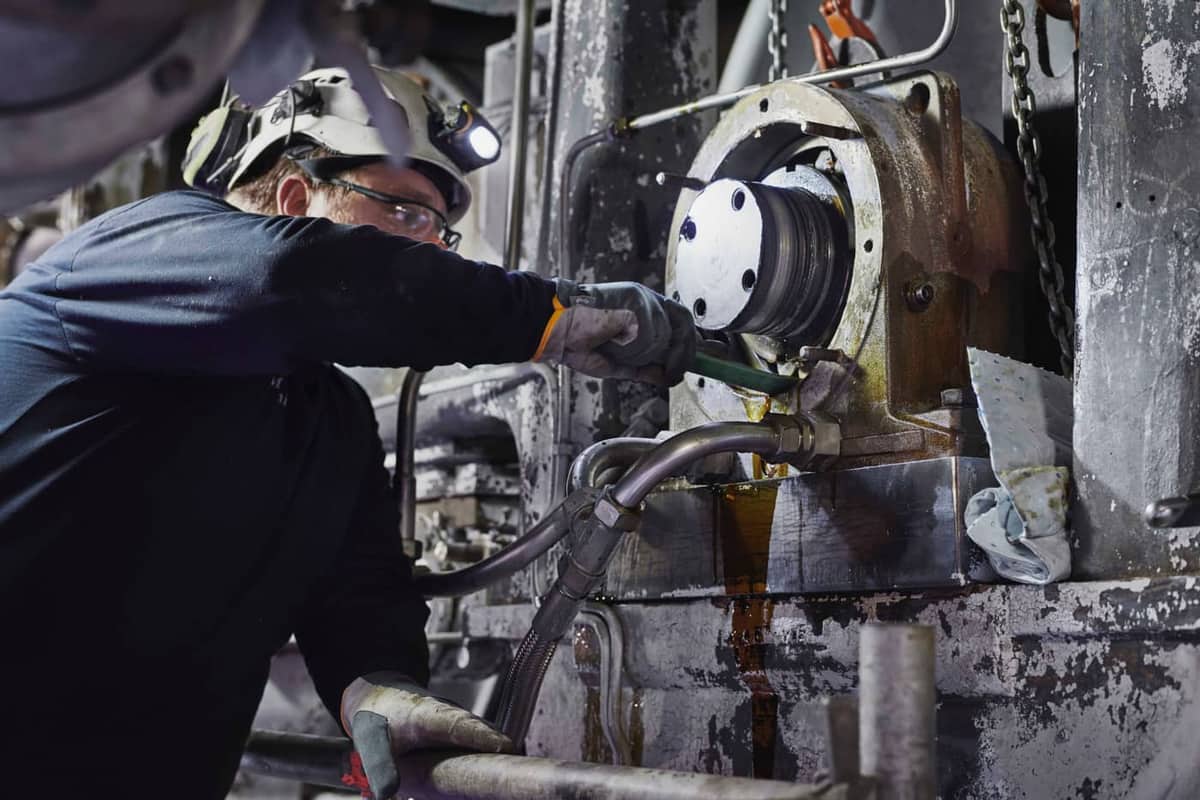
SKF field engineers use portable loggers, thermal cameras, and vibration sensors to measure actual loads and temperatures. This measured data feeds into the selection process, replacing assumptions with facts. The result is a mounted unit sized exactly for the real duty cycle, avoiding both premature failure and unnecessary capital.