SKF
Piston Seals - Machined Seals
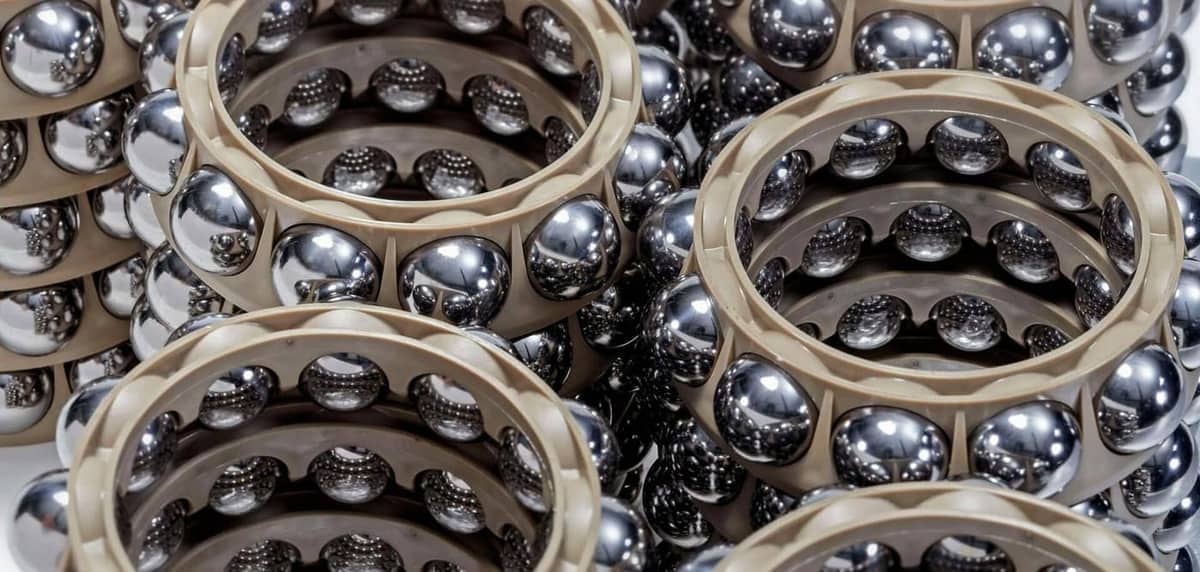
SKF machined piston seals provide custom double-acting or single-acting sealing for large, non-standard, or urgent hydraulic cylinder piston applications. Using SEAL JET technology, these seals are machined from tube stock in advanced polyurethane or PTFE compounds to any required diameter and profile. Whether a compact seal with energising O-ring or a solid polyurethane U-cup, machined piston seals meet the same pressure and wear resistance as moulded seals. They are used in large-bore press cylinders, hydropower gate actuators, marine steering rams, and steel mill roll balance cylinders — wherever standard seals are unavailable or too costly for the cylinder size. SKF’s application engineers can advise on the optimal lip geometry and material for the specific fluid, pressure, and stroke length.
Send an Enquiry
We'll get back to you on WhatsApp.
Trusted by Industry Leaders





















Double‑Acting and Single‑Acting Profiles
Compact seal and U‑cup geometries machinable.
Energiser Element Integration
O‑ring, square ring, or spring energiser as required.
Wide Pressure Range
Up to 700 bar with appropriate material and back‑up.
Customised Lip Geometry
Lips optimised for breakaway friction or high‑speed leakage control.
Suitable for Bore Repairs
Oversized seals for rebored cylinders where standard sizes are lost.
Documented Material Traceability
Batch certificates for critical applications.
How a Machined Piston Seal Solved a Press Rebuild
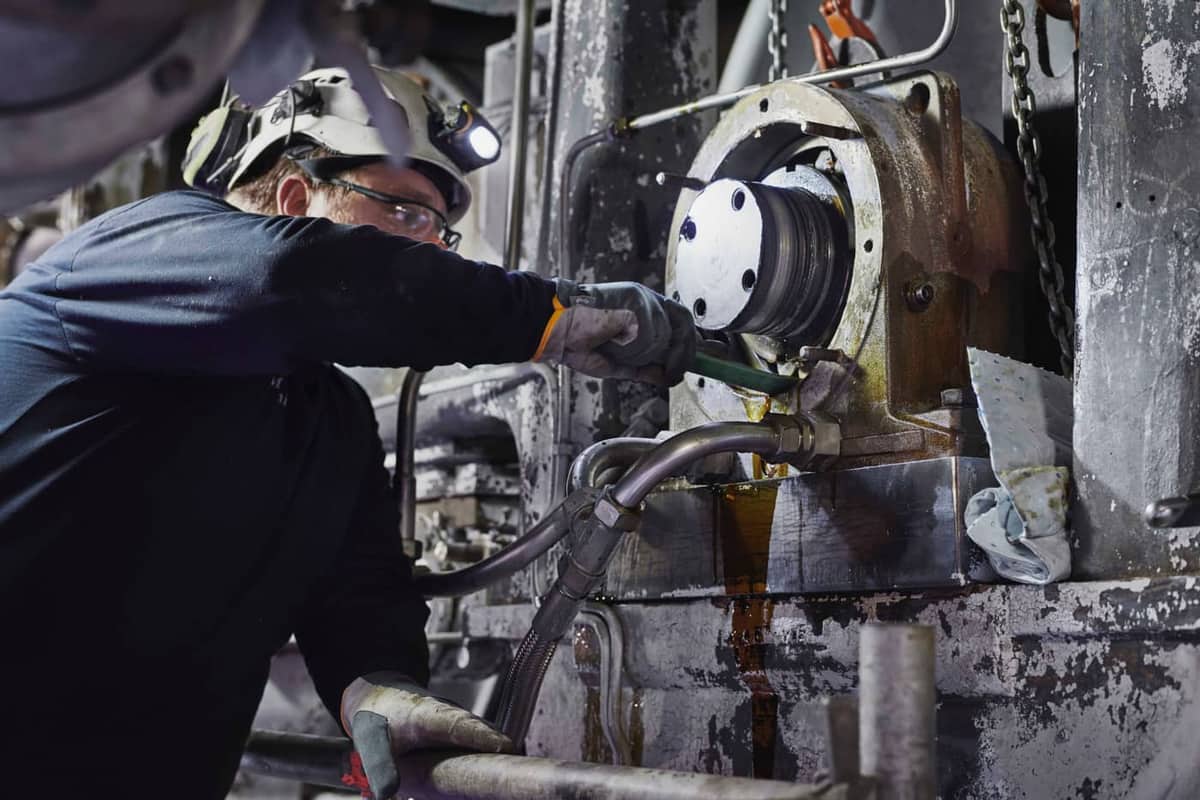
A 40‑year‑old press had a bore worn 0.5 mm oversize. No standard seal fitted. SKF machined a piston seal with an increased lip diameter, restoring full pressure holding without replacing the cylinder barrel, saving the customer over €30,000 in new‑cylinder costs.
Selecting the Right Machined Piston Seal Profile
For a deep‑draw press cylinder with rapid extend and retract, a PTFE step‑cut seal with O‑ring energiser was machined. The low‑friction PTFE minimised heat build‑up during fast stroking, while the step‑cut profile provided the necessary bypass for smooth operation. SKF engineers advised on the profile selection based on the machine’s duty cycle.