SKF
Rod and Buffer Seals
SKF rod seals are dynamic seals mounted in the cylinder head, sealing the rod as it reciprocates. They prevent hydraulic fluid from leaking externally while maintaining a thin lubricating film on the rod surface. Buffer seals are secondary seals placed in front of the rod seal to dampen pressure spikes and protect the primary rod seal from system pressure peaks. SKF rod seals are typically a compact assembly of a PTFE sealing element and an O-ring energiser, or a polyurethane U-cup design. They must cope with high pressure, side loads, and a thin oil film that prevents dry running. The correct rod seal reduces external leakage to near zero, a critical requirement for environmental compliance and workplace safety. SKF’s advanced lip profiles dynamically pump leakage back into the cylinder, enabling long-life, low-maintenance operation.
Send an Enquiry
We'll get back to you on WhatsApp.
Trusted by Industry Leaders


























Near-Zero Leakage
Dynamic lip geometry returns oil film to cylinder.
Pressure Spike Protection
Buffer seals absorb and distribute transient peaks.
Excellent Wear Life
Ecopur polyurethane resists abrasion from contaminated rod surfaces.
Compact Installation
Small axial length fits modern cylinder head designs.
Wide Fluid Compatibility
Standard and high-temperature polyurethanes for diverse hydraulic media.
Integrated Wiper Function
Some rod seal profiles also lightly clean the rod.
Why Buffer Seals Extend Rod Seal Life
Pressure spikes from load shocks or valve switching can extrude and damage the primary rod seal lip. A buffer seal placed upstream of the rod seal acts as a pressure relief stage, reducing the peak pressure seen by the rod seal by an order of magnitude. In heavy-duty cylinders, this can double rod seal life.
Rod Seal Selection for Extended Stroke Cylinders
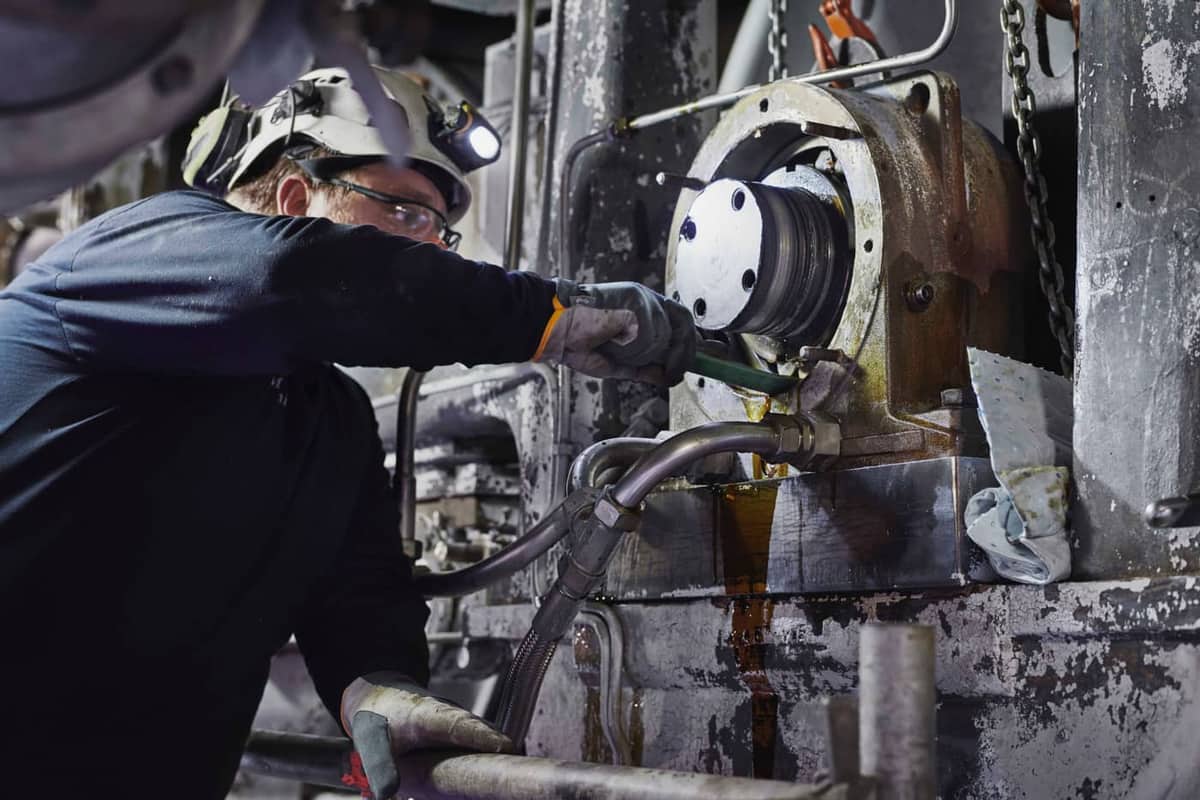
Long-stroke cylinders have higher rod exposure to contamination and greater side loading. SKF rod seals with integrated guide properties and dynamic pumping features ensure consistent sealing across the full stroke, preventing the mid-stroke leakage that plagues poorly specified seals.