SKF
SEAL JET Systems
SEAL JET is SKF’s proprietary, fully digitalised manufacturing system for producing machined seals. It integrates customer specification (CAD file or dimensional sketch), material selection, and CNC machining into a rapid, flexible production cell. SEAL JET processes a wide range of materials — Ecopur polyurethanes, PTFE, PEEK, polyamide, fabric-reinforced phenolics — and produces piston seals, rod seals, wipers, guide strips, rotary seals, and back-up rings. The system eliminates tooling costs and dramatically compresses lead times. SEAL JET is more than just a machine; it embodies SKF’s sealing material knowledge, machining parameters, and quality assurance to deliver a component that performs identically to a moulded seal. For design engineers, it provides true prototyping agility; for maintenance teams, it ensures that an obsolete or failed seal never keeps a machine idle longer than necessary.
Send an Enquiry
We'll get back to you on WhatsApp.
Trusted by Industry Leaders


















Digital‑To‑Physical Workflow
CAD file to physical seal without human interpolation.
CNC Precision
Machining centres with integrated tool measurement for micron accuracy.
Material Library in Stock
Tubes, plates, and rods of Ecopur, PTFE, PEEK, PA, and phenolic.
Rapid Prototyping
Functional seal samples ready for testing in 1‑3 days.
Low‑Volume Production
Economical for quantities from 1 to 500.
Global SEAL JET Centres
Regional service centres for local rapid response.
The Speed of SEAL JET: A Real‑World Example
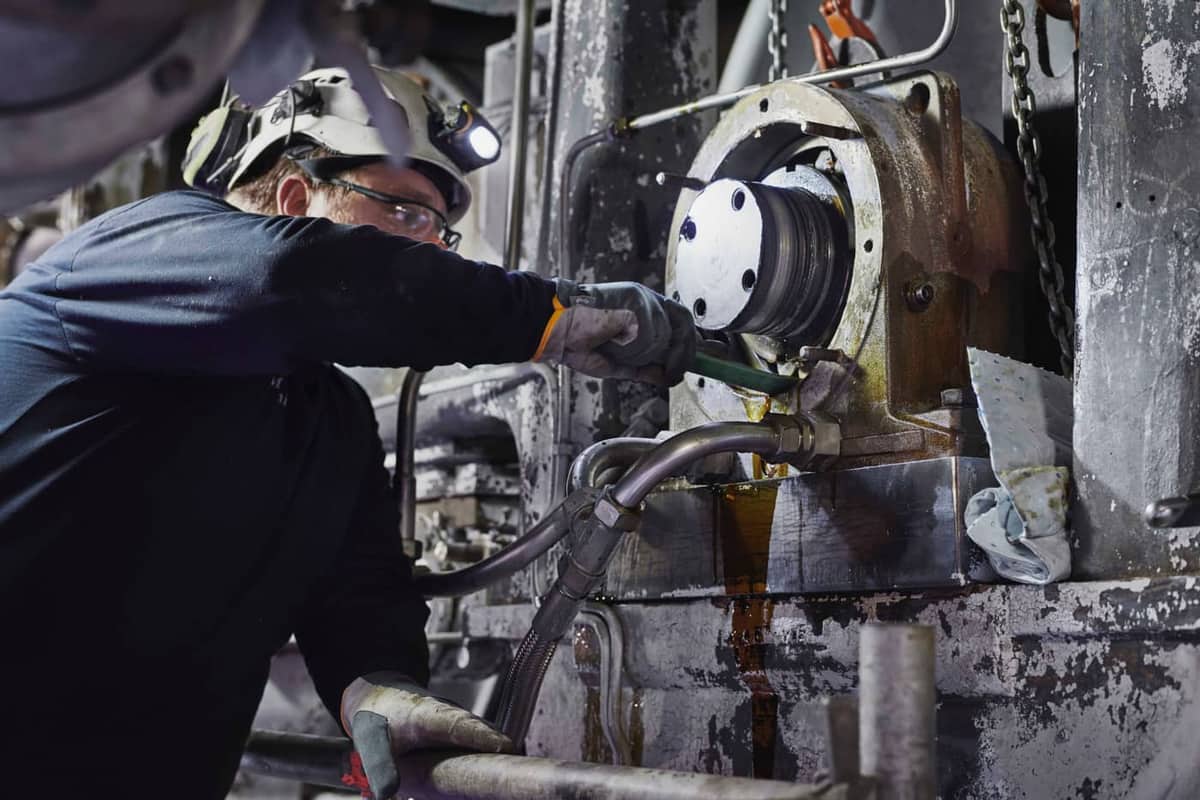
A cement plant’s large thrust roller seal failed, stopping the kiln. Using SEAL JET, SKF machined a replacement seal from POM material in 6 hours, and the customer collected it the same afternoon. The kiln was back in production before the next shift started.
How SEAL JET Supports Continuous Improvement
A manufacturer testing a new cylinder design can try three different lip profiles in a week, each machined from the same material. Once the best profile is identified through performance testing, SKF can then transition to an injection‑moulded seal for high‑volume production, using the exact validated geometry.