SKF
Selection of Seal Design and Material
The seal design (single lip with garter spring, double lip, metal-cased, rubber-covered, PTFE-lip, axial clamp) and the sealing material (NBR, FKM, HNBR, VMQ, PTFE) must be matched to the application. For example, a metal-cased NBR seal is cost-effective for general industrial oil sealing up to 100°C, while a FKM seal with a hydrodynamic lip is required for high-speed, high-temperature synthetic oils. SKF provides a comprehensive material compatibility table for hundreds of fluids, plus shaft speed and temperature limits for each lip design. Selecting the correct combination ensures that the lip maintains the necessary radial force and oil film thickness throughout its life.
Send an Enquiry
We'll get back to you on WhatsApp.
Trusted by Industry Leaders



















Single Lip with Spring
Standard for oil retention; garter spring maintains radial load.
Double Lip
Adds dust exclusion; ideal for dry, dusty environments.
Metal Case vs. Rubber OD
Metal for thermal conduction, rubber for thermal expansion compensation.
PTFE Lip (no spring)
For high speed, low friction, and dry‑running capability.
Hydrodynamic Helix
Bi‑directional pumping grooves for active leak prevention.
Material Decision Tree
Temperature, fluid, and speed lead to the correct elastomer.
Why an FKM Seal Is Worth the Extra Cost in a Hot Gearbox
NBR hardens and cracks above 100°C, losing radial load and leaking. FKM maintains its elasticity to 200°C and resists synthetic gear oils that swell NBR. In a high‑speed gearbox, choosing FKM over NBR extends seal life from months to years, paying back the material cost many times over in avoided rework.
The PTFE Seal: When Dry‑Running Is Essential
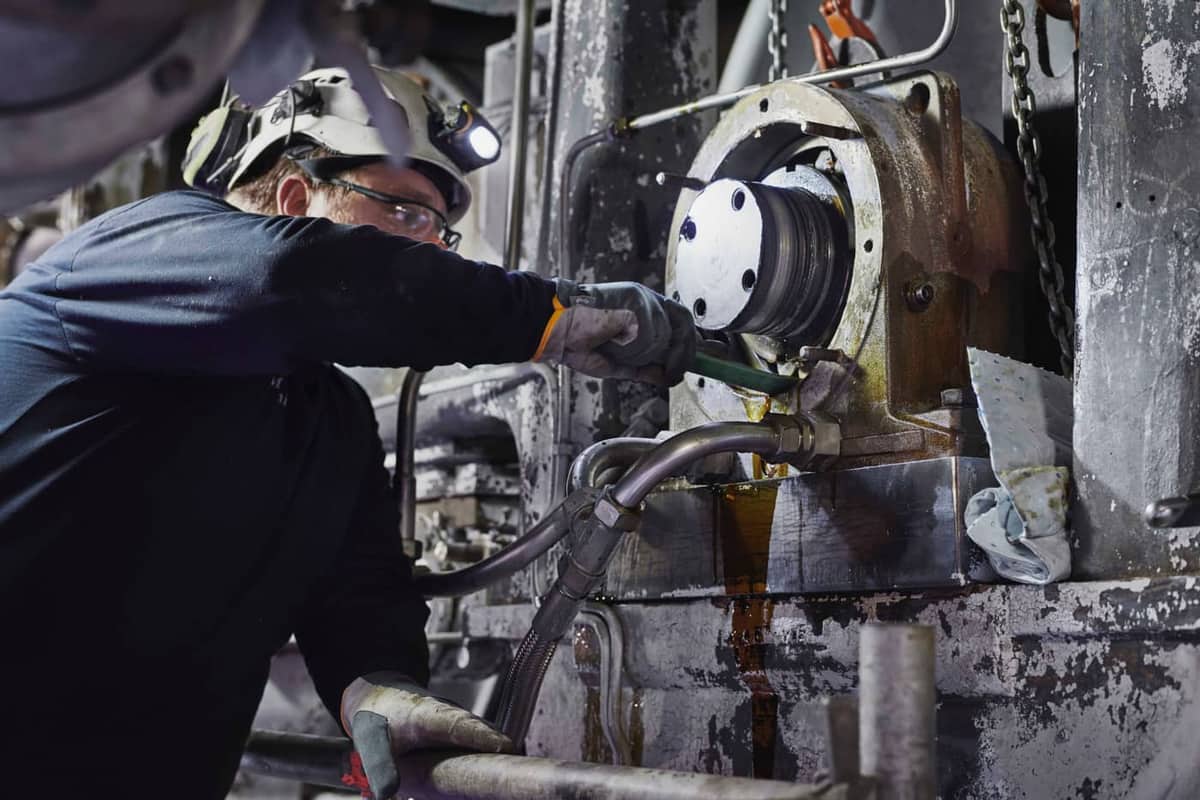
In a vacuum pump or a shaft that runs briefly without oil (cold starts), a PTFE lip seal survives where an elastomer lip would instantly burn. PTFE’s self‑lubricating nature and high‑temperature tolerance make it the only choice for these challenging, marginal‑lubrication applications.