SKF
Self-Aligning Ball Bearings
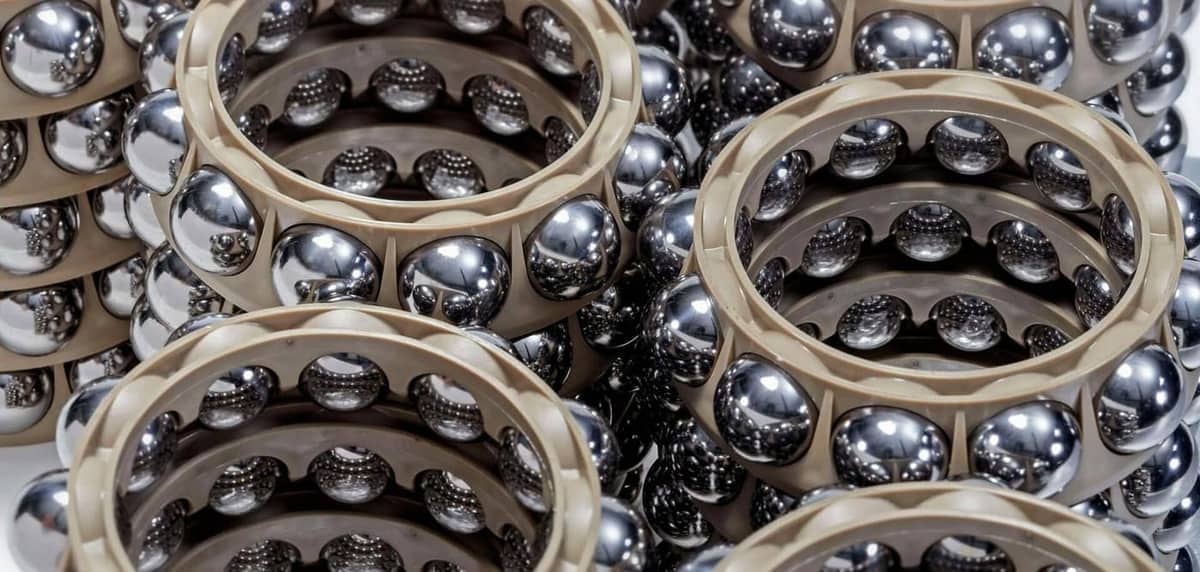
Self-aligning ball bearings feature two rows of balls and a common sphered outer ring raceway, which allows the bearing to compensate for angular misalignment of the shaft relative to the housing. SKF self-aligning ball bearings can accommodate misalignment up to approximately 2.5°, as well as limited axial loads. They are particularly suited to applications where shaft deflection, mounting errors, or structural settling occur — such as long shafts driven by belt drives, fans, and textile machinery. The bearings generate low friction, even under misalignment, making them energy-efficient. SKF offers open, sealed, and tapered bore variants. Their ability to self-align without increased stress on balls or raceways extends service life compared to non-aligning bearings in misaligned conditions.
Send an Enquiry
We'll get back to you on WhatsApp.
Trusted by Industry Leaders




























Automatic Misalignment Compensation
Inner ring and ball assembly can tilt freely within the outer ring.
Low Friction Under Misalignment
Unique raceway geometry minimizes friction torque when operating out of line.
Reduced Vibration and Noise
Self-alignment smooths uneven loads that cause vibration.
Compact Design
Narrow width compared to spherical roller bearings for similar bore sizes.
Sealed Versions Available
Grease-retaining, contamination-excluding variants extend maintenance intervals.
Tapered Bore Option
Adapter sleeve mounting simplifies installation on plain shafts.
When to Use Self-Aligning Ball Bearings Instead of Deep Groove
When shaft alignment cannot be guaranteed due to welded frames, non-machined castings, or long shaft spans, self-aligning ball bearings prevent edge loading and early fatigue. They also simplify assembly by relaxing alignment tolerances, thereby reducing manufacturing costs.
Applications and Industries Using Self-Aligning Ball Bearings
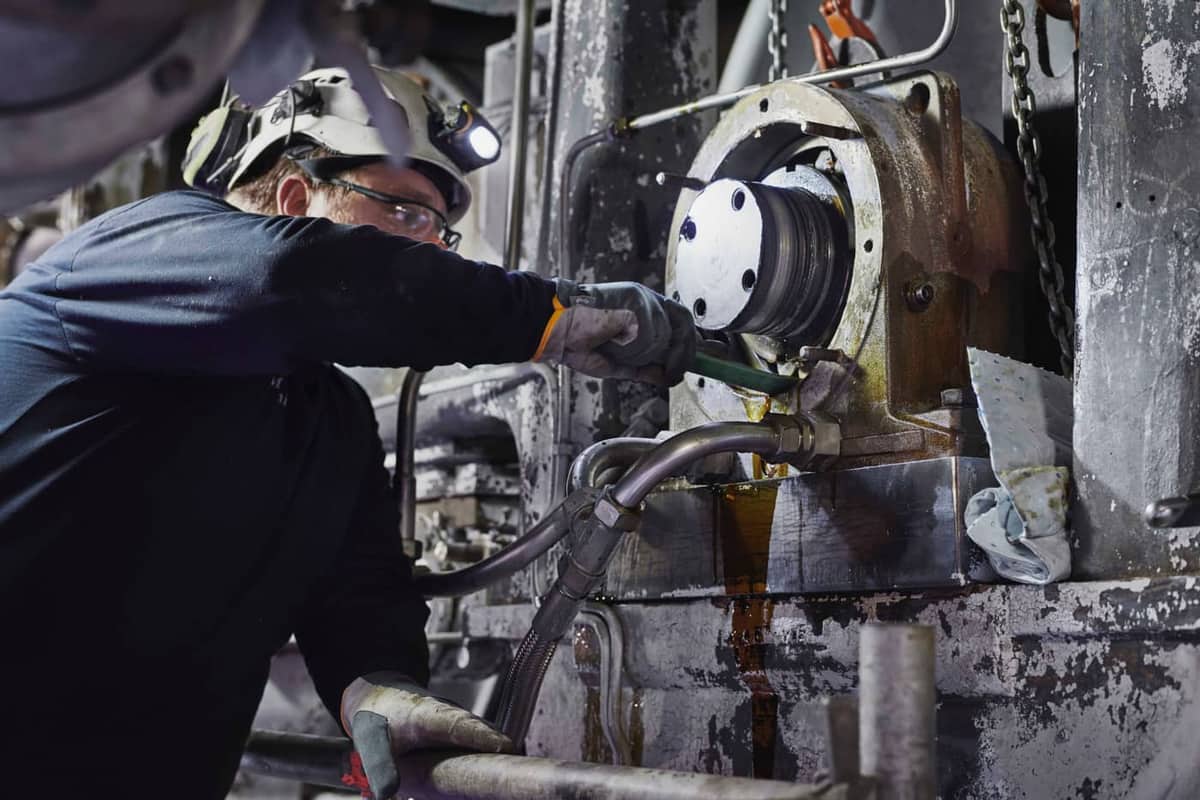
Textile spinning frames, industrial fans, agricultural shaft lines, and woodworking spindles benefit from self-aligning ball bearings. Wherever predictable alignment is difficult, these bearings improve reliability and reduce noise.