SKF
SKF Food Line Ball Bearing Units
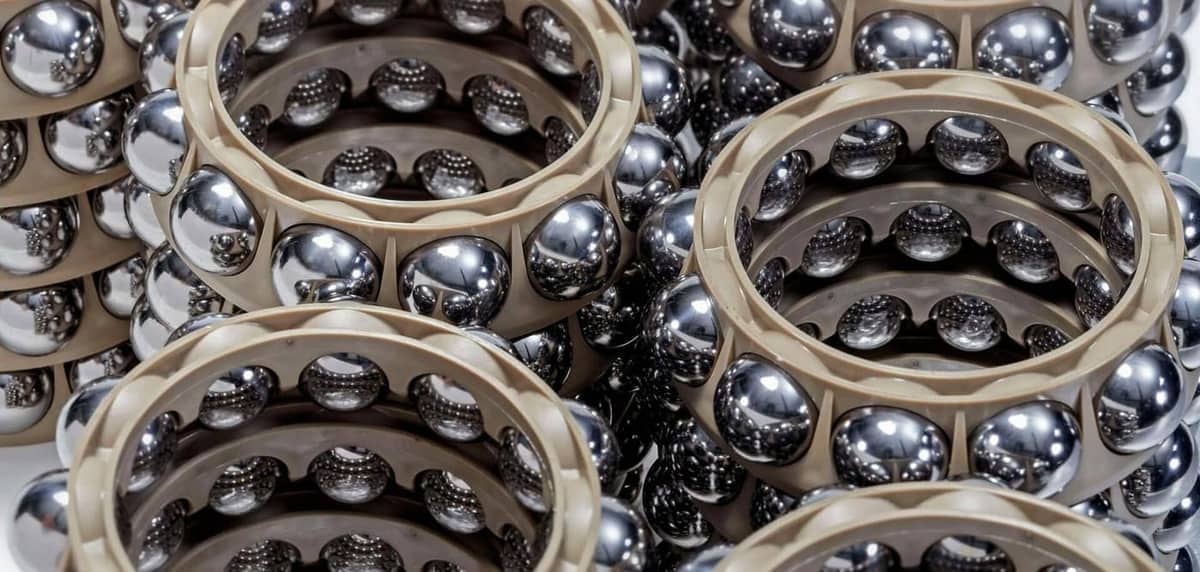
SKF Food Line ball bearing units are specifically engineered for the extreme hygiene and corrosion demands of food, beverage, dairy, and pharmaceutical processing. They feature stainless steel bearing inserts and housings, NSF H1 registered food-grade grease, and rounded, crevice-free housing geometries that prevent bacteria accumulation. High-performance contact seals resist aggressive cleaning chemicals, high-pressure water jets, and steam. Available in pillow block, flanged, and take-up configurations, these units simplify design for washdown conveyors, mixers, fillers, and packaging machines. By meeting FDA and EU food contact material regulations, SKF Food Line units help processors comply with HACCP, GMP, and FSMA standards while reducing the risk of costly product contamination and recall.
Send an Enquiry
We'll get back to you on WhatsApp.
Trusted by Industry Leaders













Stainless Steel Construction
AISI 304 or 316L housings and bearing rings resist corrosion.
NSF H1 Registered Grease
Food-safe lubricant for incidental product contact areas.
Sanitary Housing Design
Smooth, self-draining surfaces with no crevices or threads exposed.
High-Pressure Washdown Resistance
Seals withstand 100+ bar jets and chemical sanitisers.
Blue Seal Distinction
Visually detectable, food-grade seal material for contamination traceability.
Global Compliance
Meets FDA, EU 1935/2004, and other international food safety regulations.
Designing Washdown Conveyors with Food Line Bearings
In poultry or meat processing, every machine surface is washed daily with hot water and aggressive cleaners. SKF Food Line bearings resist pitting corrosion and allow complete drainage, eliminating water traps that promote microbial growth. Their long service life reduces unplanned line stoppages.
Why NSF H1 Grease Matters
H1 certified lubricants are safe for incidental food contact. SKF Food Line bearings are pre-filled with H1 grease from the factory, removing the risk of manually applying a non-compliant grease during maintenance. This simplifies the plant’s lubrication management and audit trail.