SKF
Split Plummer Block Housings
Split plummer block housings consist of a two-part base and cap that separate along the bearing axis, allowing the bearing and housing to be assembled around the shaft without removing couplings or other shaft-mounted components. SKF’s SNL 2, 3, 5, and 6 series, SNLN 30, SNL 30, 31, 32, and SONL series cover bore sizes from 20 mm to over 500 mm. They are designed for spherical roller bearings, self-aligning ball bearings, CARB, and deep groove or cylindrical roller bearings with appropriate seat rings. Grease or oil lubrication options, multiple sealing arrangements, and various attachments make them the most versatile and widely applied industrial bearing housing. They are the standard choice for conveyors, fans, pumps, and gearboxes worldwide.
Send an Enquiry
We'll get back to you on WhatsApp.
Trusted by Industry Leaders























Split Design for Easy Installation
Cap and base separate for in-place bearing assembly.
Self-Aligning Bearing Compatibility
Matching spherical seat rings for deep groove or cylindrical bearings.
Robust Cast Iron Construction
Ribbed design for high static and dynamic stiffness.
Multiple Lubrication Options
Grease or oil bath, with or without cooling coils.
Wide Sealing Range
V-rings, labyrinth, taconite, and contact seals for any environment.
Standardised Accessories
End covers, locating rings, and adapters readily available.
SNL Series Evolution: From 2 Series to 30/31/32
The SNL 2, 3, 5, 6 series are the classic light-to-heavy housings for grease lubrication. The SNL 30, 31, 32 series are the modern generation with improved ribbing, larger oil reservoirs (for oil lubrication), and enhanced seal interfaces. SNLN 30 are for large bearings needing oil sump cooling.
SONL Housings for High-Speed Oil-Lubricated Applications
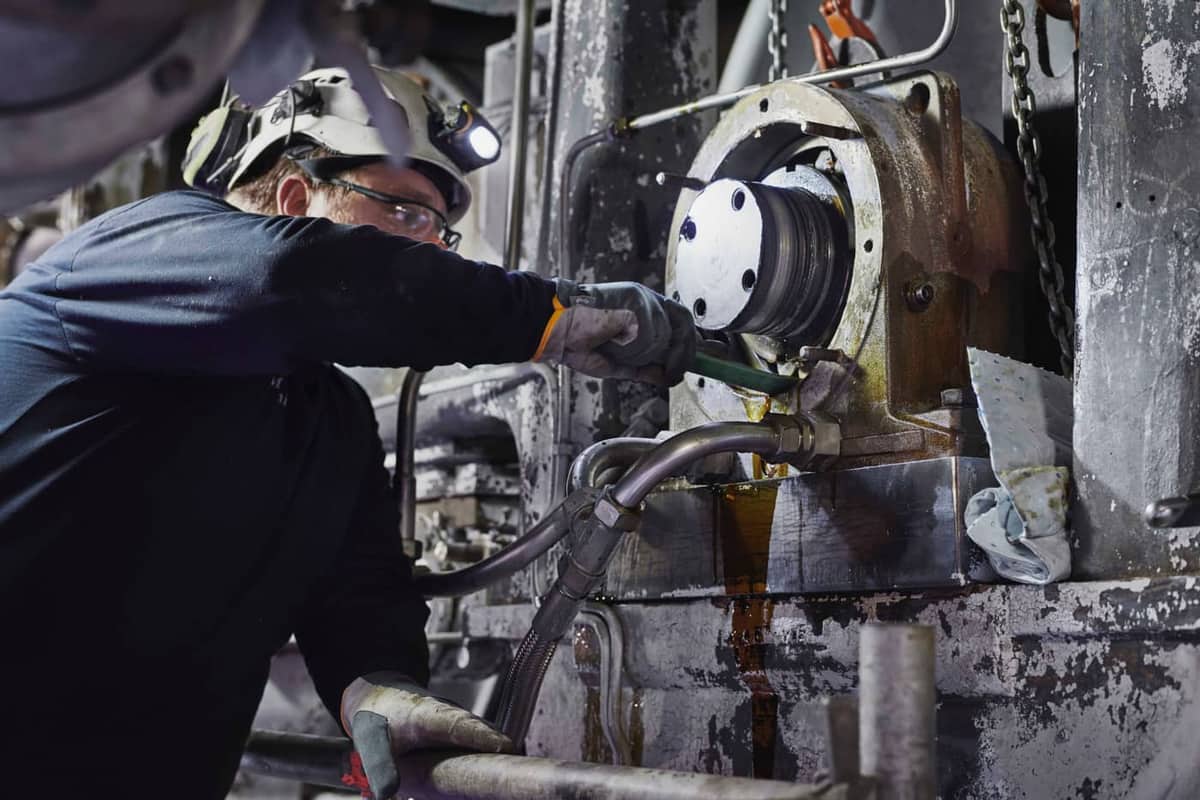
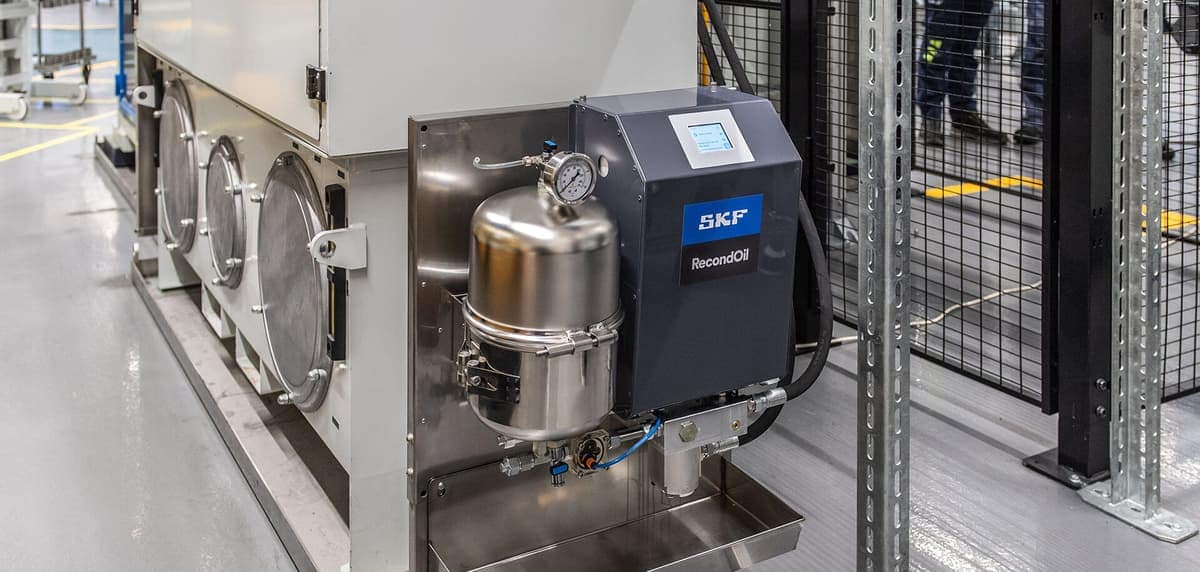
SONL housings are specifically designed for oil lubrication with an integrated oil reservoir, sight glass, and cooling possibilities. They are ideal for fan and paper machine rolls where heat must be efficiently removed to maintain safe bearing temperatures at continuous high speed.