SKF products

SKF

Storage for Roller Bearings

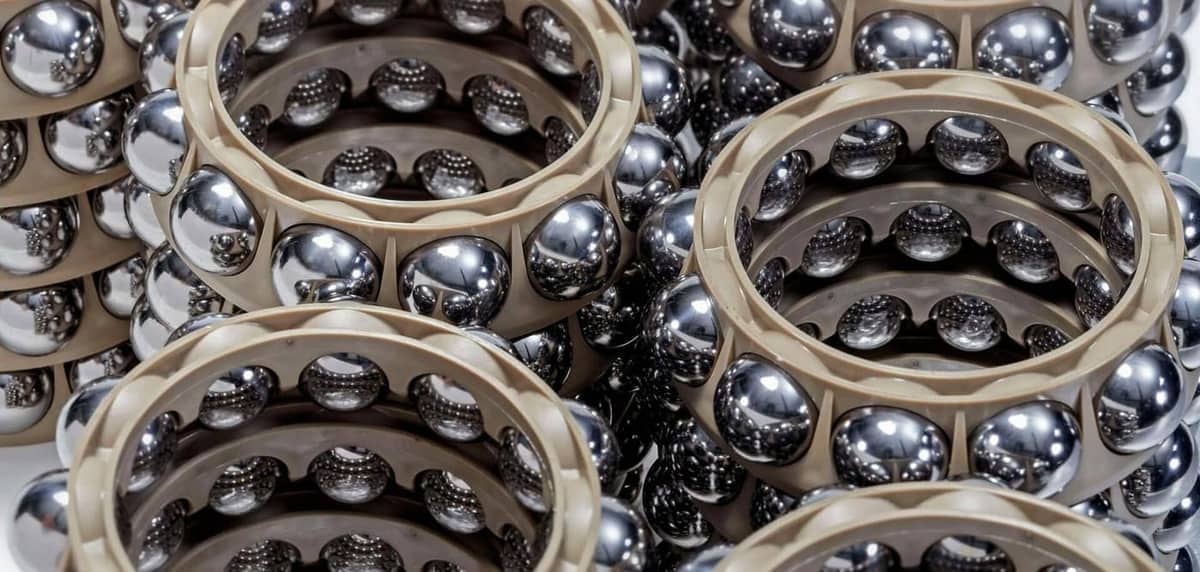
Proper storage of roller bearings is essential to preserve their factory-fresh condition and ensure maximum service life. Incorrect storage can lead to corrosion, lubricant degradation, false brinelling from vibration, and contamination ingress. SKF recommends storing bearings in a clean, dry, temperature-controlled environment, ideally in their original packaging until just before mounting. Temperature fluctuations should be minimized to prevent condensation. Bearings with integral shields or seals are not immune to storage damage; long-term storage requires periodic rotation of the outer ring to redistribute grease and prevent false brinelling. For large roller bearings, proper support is critical to avoid ring deformation. Following SKF’s storage guidelines protects your investment and ensures that every bearing performs as designed from the moment it is installed.

Send Enquiry

Send an Enquiry

We'll get back to you on WhatsApp.

Trusted by Industry Leaders

SAIL – Steel Authority of India Limited, industrial client of Drishti Powertech
Tata Steel – industrial client of Drishti Powertech
Hindalco – Aditya Birla Group aluminium & copper, industrial client of Drishti Powertech
Jindal Steel & Power – industrial client of Drishti Powertech
NMDC – National Mineral Development Corporation, industrial client of Drishti Powertech
JSW Steel – industrial client of Drishti Powertech
Vedanta ESL Steel Limited – industrial client of Drishti Powertech
NALCO – National Aluminium Company Limited, industrial client of Drishti Powertech
Industrial enterprise – client of Drishti Powertech LLP
Hindustan Copper Limited – Govt. of India enterprise, industrial client of Drishti Powertech
UltraTech Cement – industrial client of Drishti Powertech
Coal India Limited – industrial client of Drishti Powertech
ACC Cement – industrial client of Drishti Powertech
Indian Oil Corporation – industrial client of Drishti Powertech
SAIL – Steel Authority of India Limited, industrial client of Drishti Powertech
Tata Steel – industrial client of Drishti Powertech
Hindalco – Aditya Birla Group aluminium & copper, industrial client of Drishti Powertech
Jindal Steel & Power – industrial client of Drishti Powertech
NMDC – National Mineral Development Corporation, industrial client of Drishti Powertech
JSW Steel – industrial client of Drishti Powertech
Vedanta ESL Steel Limited – industrial client of Drishti Powertech
NALCO – National Aluminium Company Limited, industrial client of Drishti Powertech
Industrial enterprise – client of Drishti Powertech LLP
Hindustan Copper Limited – Govt. of India enterprise, industrial client of Drishti Powertech
UltraTech Cement – industrial client of Drishti Powertech
Coal India Limited – industrial client of Drishti Powertech
ACC Cement – industrial client of Drishti Powertech
Indian Oil Corporation – industrial client of Drishti Powertech
ONGC – Oil and Natural Gas Corporation, industrial client of Drishti Powertech
GAIL India Limited – industrial client of Drishti Powertech
NTPC – National Thermal Power Corporation, industrial client of Drishti Powertech
Tata Power – industrial client of Drishti Powertech
Indian Railways – industrial client of Drishti Powertech
IFFCO – Indian Farmers Fertiliser Cooperative, industrial client of Drishti Powertech
Super Smelters Limited – industrial client of Drishti Powertech
Rashmi Group – industrial client of Drishti Powertech
Shyam Steel – industrial client of Drishti Powertech
S R Rungta Group – industrial client of Drishti Powertech
MP Birla Group – industrial client of Drishti Powertech
Usha Martin – industrial client of Drishti Powertech
Shyam Metalics – industrial client of Drishti Powertech
Nuvoco Vistas Corporation – industrial client of Drishti Powertech
ONGC – Oil and Natural Gas Corporation, industrial client of Drishti Powertech
GAIL India Limited – industrial client of Drishti Powertech
NTPC – National Thermal Power Corporation, industrial client of Drishti Powertech
Tata Power – industrial client of Drishti Powertech
Indian Railways – industrial client of Drishti Powertech
IFFCO – Indian Farmers Fertiliser Cooperative, industrial client of Drishti Powertech
Super Smelters Limited – industrial client of Drishti Powertech
Rashmi Group – industrial client of Drishti Powertech
Shyam Steel – industrial client of Drishti Powertech
S R Rungta Group – industrial client of Drishti Powertech
MP Birla Group – industrial client of Drishti Powertech
Usha Martin – industrial client of Drishti Powertech
Shyam Metalics – industrial client of Drishti Powertech
Nuvoco Vistas Corporation – industrial client of Drishti Powertech

Corrosion Prevention

Maintain low humidity and avoid direct contact with concrete floors or corrosive atmospheres.

Original Packaging Protection

VCI paper and sealed bags prevent moisture and dust contamination.

Vibration Isolation

Store bearings away from heavy traffic, stamping, or other vibration sources to avoid false brinelling.

Temperature Stability

Keep storage temperature between 0°C and 40°C with minimal fluctuation.

Shelf-Life Management

Follow first-in-first-out practices; aged sealed bearings may need regreasing or rotational check.

Handling Instructions

Keep bearings horizontal, support large rings uniformly, and never remove packaging prematurely.

How to Store Large Industrial Roller Bearings Properly

Large spherical roller bearings and cylindrical roller bearings are particularly susceptible to deformation if stored vertically or on uneven surfaces. Support the bearing over its entire face width on a clean, flat shelf. Rotate the outer ring every few months per SKF recommendations to redistribute grease and prevent false brinelling marks. In humid environments, use dehumidifiers or store with desiccant bags and loosely sealed plastic covering allowing ventilation.
SKF product
SKF application

Common Storage Mistakes that Reduce Bearing Life

Storing bearings directly on the floor near wash-down areas, exposing them to cyclic temperature swings, or stacking heavy items on boxes can all initiate corrosion or permanent deformation. These mistakes often go undetected until a premature failure occurs. Implementing SKF’s simple storage protocols is a low-cost way to prevent such reliability issues.