SKF
Testing and Analysis (SKF Seals)
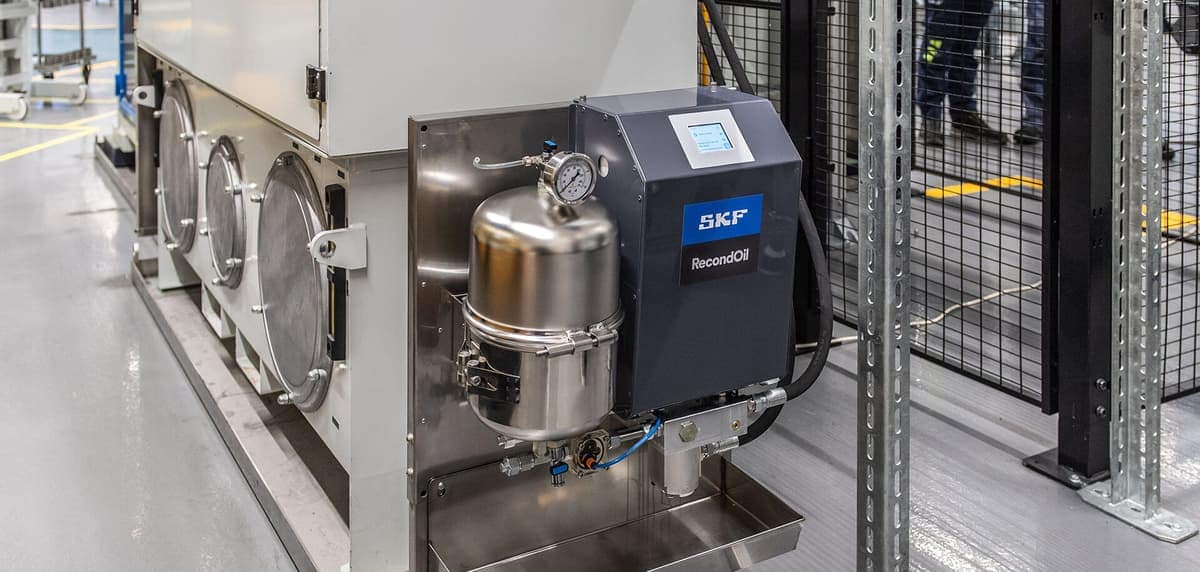
SKF operates extensive seal testing and analysis facilities to validate seal performance under simulated application conditions. Tests include radial load and lip temperature measurement, dynamic leakage and wear testing on rotary and reciprocating test rigs, pressure cycling, explosive decompression, chemical ageing, and thermal analysis. Failure analysis on returned seals uses microscopy, hardness testing, and chemical spectroscopy to identify root causes (abrasion, hydrolysis, chemical attack, extrusion). SKF’s testing services provide OEMs with documented validation reports for new designs, and help end-users understand and prevent recurring seal failures. This evidence-based approach reduces risk, shortens development time, and builds confidence in the sealing solution before field deployment.
Send an Enquiry
We'll get back to you on WhatsApp.
Trusted by Industry Leaders
























Dynamic Sealing Test Rigs
Simulate full‑scale rotary and reciprocating conditions.
Fluid Compatibility Testing
Immersion ageing at elevated temperature.
Explosive Decompression Testing
NORSOK M‑710 and ISO 23936 standards.
Microscopy and Spectroscopy
Scanning electron microscopy (SEM) and FTIR for failure analysis.
Mechanical Property Testing
Tensile, elongation, modulus, and compression set per ASTM/ISO.
Accelerated Life Testing
Correlates lab results to field life predictions.
The NORSOK M‑710 Explosive Decompression Test
This test immerses seals in a gas mixture (typically CO₂ and methane) at high pressure and temperature for 72 hours, then rapidly depressurises. The seal is then sectioned and examined for internal cracks. A rating of 0000 (no cracks) is required for the most critical wellhead applications. SKF’s testing laboratory regularly performs and certifies to this standard.
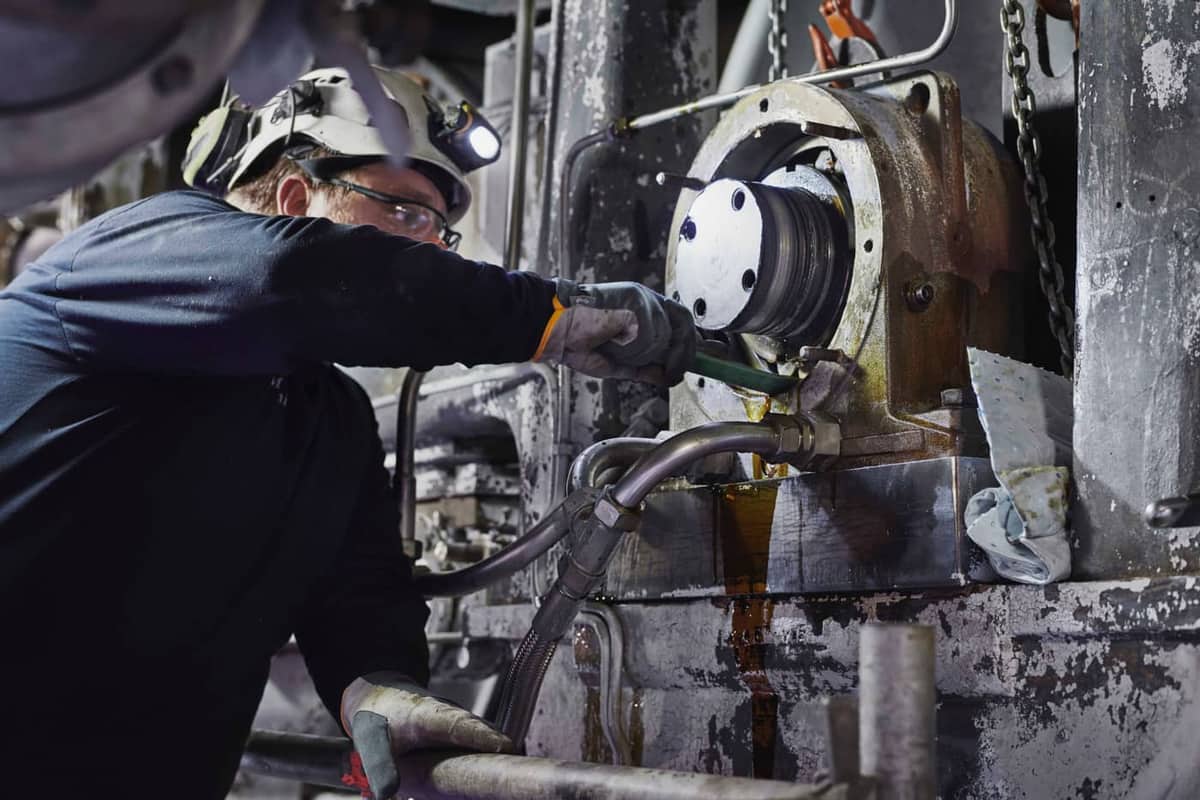
Root‑Cause Failure Analysis: Why a Seal Hardened and Cracked
An engine rear main seal returned from the field with a hardened, cracked lip. FTIR spectroscopy revealed that the elastomer had oxidised due to excessive heat. Cross‑referencing with the vehicle’s duty cycle data showed the cause was prolonged high‑speed trailer towing. SKF recommended an upgraded FKM material for the vehicle’s severe‑service maintenance schedule.