
SKF
Thrust Ball Bearings
Thrust ball bearings are designed to carry axial loads in one direction and consist of shaft and housing washers with ball and cage assemblies. SKF thrust ball bearings are separable, simplifying mounting. They are suitable for relatively high axial loads at moderate speeds, but cannot carry radial load. Typical applications include machine tool lead screws, crane hooks, vertical shafts, and automotive steering kingpins. Single direction thrust ball bearings must be used in pairs if axial location is required in both directions, or be combined with a radial bearing. SKF also offers double direction thrust ball bearings for applications where the axial load reverses. These bearings require a minimum axial load to prevent ball sliding and are sensitive to angular misalignment, so accurate mounting surfaces are essential.
Send an Enquiry
We'll get back to you on WhatsApp.
Trusted by Industry Leaders




























High Axial Load Capacity
Dedicated thrust design accommodates heavy axial forces.
Separable Components
Shaft washer, housing washer, and ball/cage assembly can be mounted independently.
Simple Design
Easy to assemble and maintain; available with flat or spherical housing washers.
Multiple Size Ranges
Single and double direction series to meet load and space constraints.
Low Friction Under Pure Axial Load
Optimized raceway geometry yields smooth running.
Cost-Effective Thrust Support
Ideal solution where thrust loads dominate, no radial load.
Single Direction vs. Double Direction Thrust Ball Bearings
Single direction thrust bearings accommodate axial load in one direction only; they require a second bearing for opposing thrust. Double direction thrust ball bearings feature a centre ring locating two ball/cage assemblies, handling reversible axial loads — perfect for vertical spindles and screw mechanisms.
Mounting Considerations for Thrust Ball Bearings
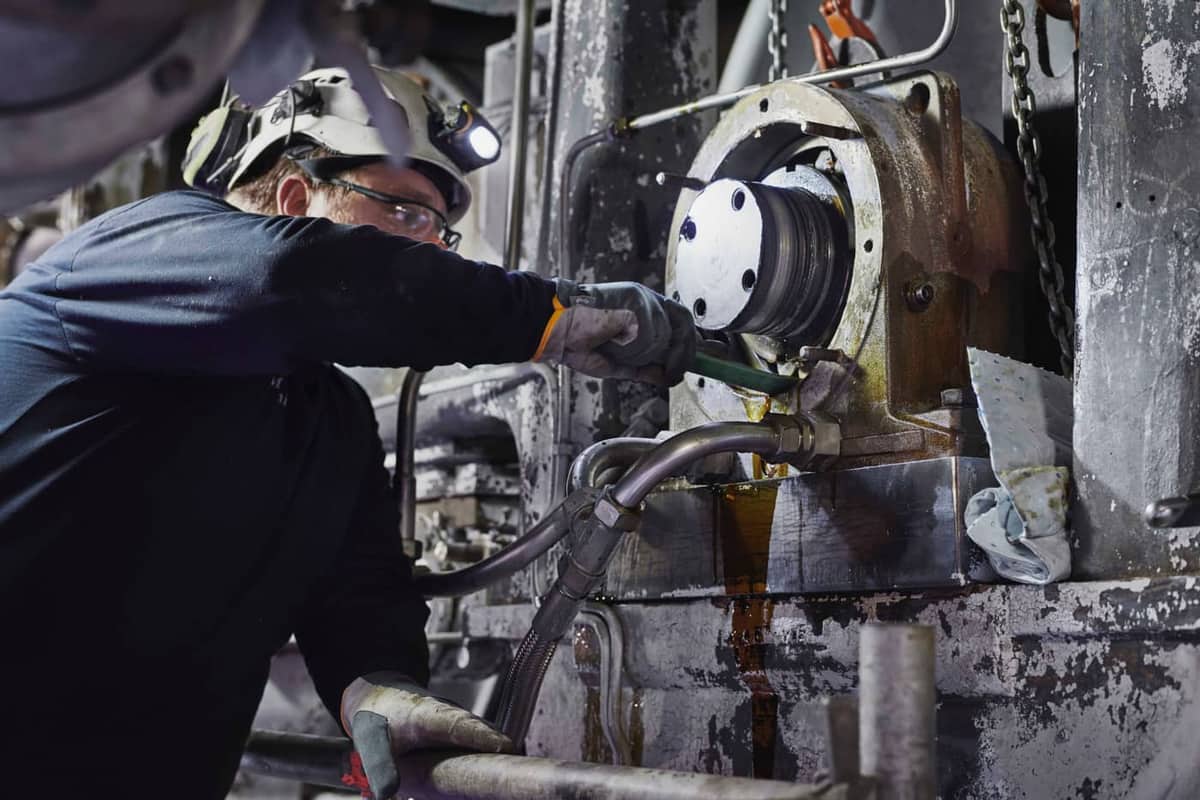
To prevent ball spinning and ensure proper load distribution, thrust ball bearings must be preloaded, usually via springs or by gravity in vertical shafts. The shaft washer must be clamped against the shaft shoulder, and adequate oil or grease supply must reach the sliding contacts between washers and balls.