SKF
Transmission Shaft Seals
SKF transmission shaft seals cover the input and output shafts of manual, automatic, and continuously variable transmissions. They seal the transmission case against ATF or manual transmission fluid leakage while accommodating high shaft speeds and potential misalignment. Materials are selected for compatibility with modern fluids; FKM for high-temperature ATF, HNBR for wear resistance, and PTFE for low friction. The seals often incorporate a hydrodynamic aid for leak-free running and a dust lip to protect against clutch dust and road contamination. In many modern transmissions, the seal package is integrated into a pre-assembled cassette that also includes a bearing seat, simplifying plant assembly. SKF’s transmission seals are validated for shift quality, noise, and durability over the vehicle's powertrain warranty period.
Send an Enquiry
We'll get back to you on WhatsApp.
Trusted by Industry Leaders



























Input/Output Shaft Specific Profiles
Optimised lip geometry for each shaft’s speed and load.
ATF and Manual Transmission Fluid Compatibility
FKM and HNBR materials for all fluid types.
Concentricity and Runout Tolerance
Design compensates for typical gearbox manufacturing tolerances.
Cassette Versions Available
Pre‑assembled seal and sleeve for easy installation on the assembly line.
Low Friction Designs
Reduce parasitic driveline losses.
Dust Lip Integration
Protects the primary lip from clutch‑lining dust and external water spray.
The Cassette Transmission Seal Advantage
A cassette seal is pressed into the transmission case as a single unit, already aligned. The integral wear sleeve eliminates any dependence on the shaft’s surface condition. This design is widely used on modern transaxle units where assembly speed and leak‑free warranty performance are critical.
Solving a Persistent Transmission Fluid Leak
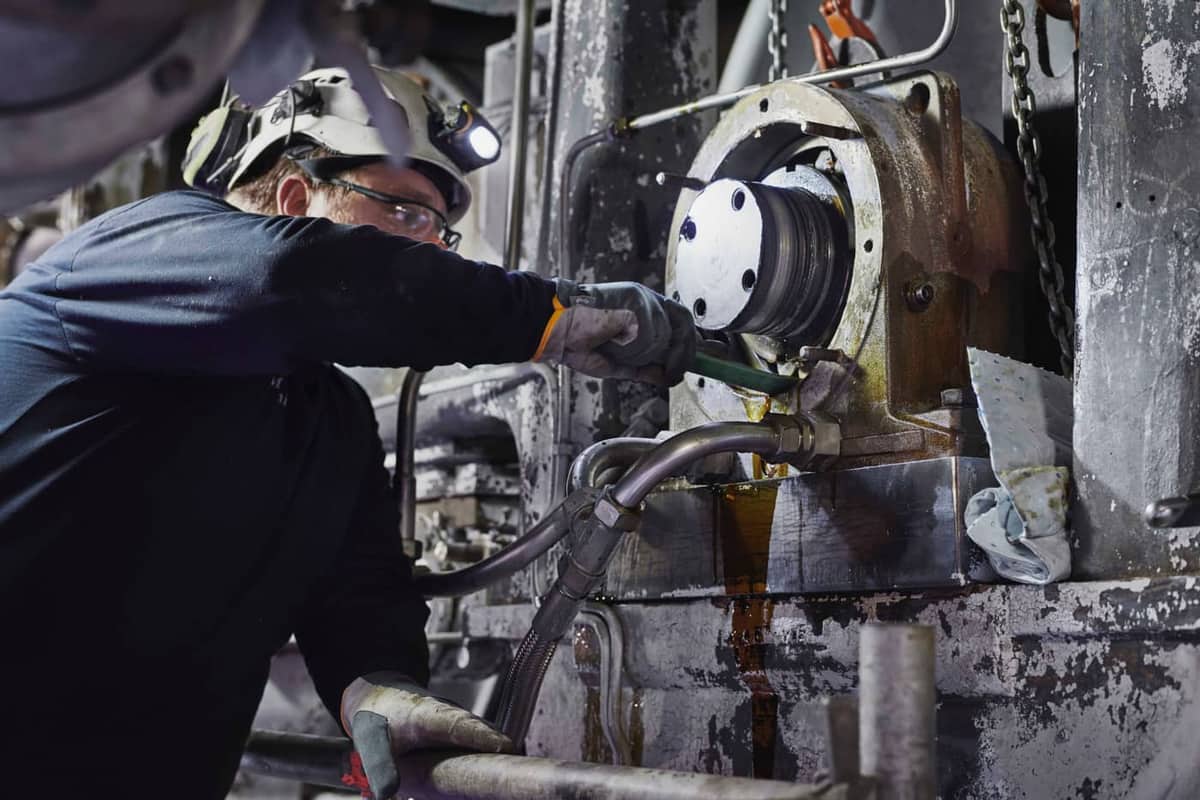
On a manual transaxle, a persistent output shaft seal leak was traced to excessive shaft play due to a worn bearing. SKF’s seal, with its increased runout tolerance, was able to accommodate the extra shaft movement until the underlying bearing could be replaced at the next major service, avoiding an immediate vehicle down‑time.