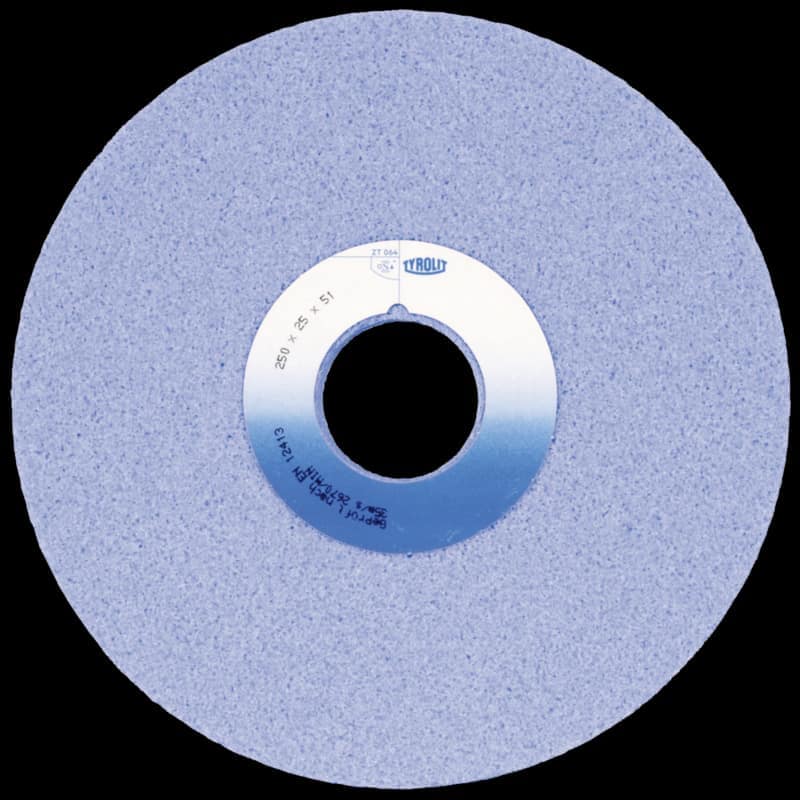
Tyrolit
Tyrolit High Pressure Grinding Wheels | Automated Heavy-Duty Stock Removal Solutions
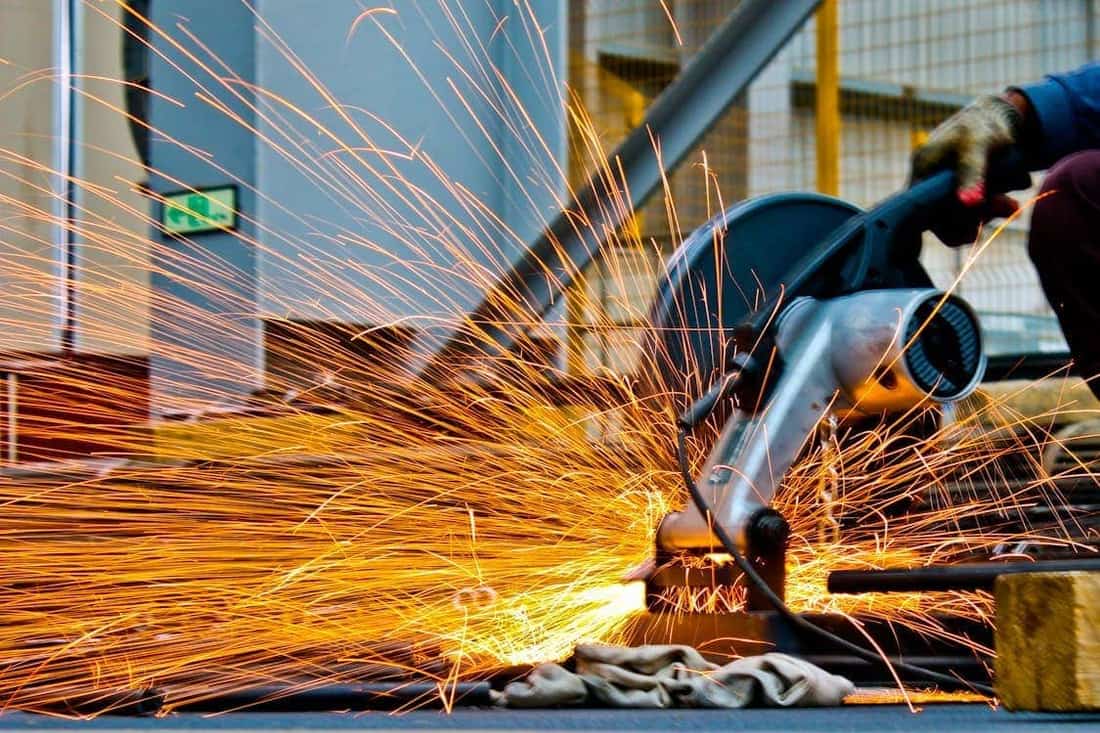
Tyrolit High Pressure Grinding Wheels are engineered for automated, robotic, and high-power stationary grinding systems that remove massive amounts of stock under extreme contact pressures—often exceeding 100 kg—in industries such as foundries, steel mills, and forging plants. This is the most demanding grinding environment in manufacturing. Tyrolit’s High Pressure (HP) wheels, often derived from the performance-proven DELTA and CERABOND X lines, use specialized bonds and ultra-tough ceramic grains to survive and excel under these conditions. The wheels are typically large-diameter (400 mm to 915 mm), mounted on rigidly fixed or articulated automated grinding machines that press castings, billets, slabs, and forged components against the wheel. The extreme heat and pressure demand a wheel that cuts aggressively without glazing, dissipates heat rapidly, and maintains structural integrity cycle after cycle. Tyrolit’s solution combines self-sharpening ceramic grain that microfractures, continuously exposing new edges, with a bond system that balances wheel life and dressing requirements. This technology replaces dozens of conventional aluminium oxide wheels, drastically reducing machine downtime for wheel changes and increasing throughput in automated cells. The result is a lower cost per ton of material removed and significantly more consistent part dimensions due to the wheel’s stable geometry.
Send an Enquiry
We'll get back to you on WhatsApp.
Trusted by Industry Leaders











Engineered for Contact Pressures Over 100 kg
Specialized resinoid and vitrified bonds in HP wheels withstand the massive forces in automated grinding cells without structural degradation or catastrophic burst risk.
Delta Series Ceramic Grain for Continuous Sharpness
The ceramic abrasive microfractures under heat and pressure, preventing wheel glazing and ensuring a consistent, high metal removal rate without constant dressing or machine parameter adjustments.
Reduced Machine Downtime and Wheel Changes
One Tyrolit HP wheel can outlast 5–10 standard aluminium oxide wheels, significantly reducing non-productive time for wheel changes in automated production lines.
Consistent Wheel Geometry for Automated Paths
The self-sharpening action minimizes wheel wear variation, maintaining the programmed wheel diameter and profile so robotic tool paths remain accurate without frequent recalibration.
Custom Formulations for Steel Slab and Billet Grinding
Tyrolit supplies wheels tuned to the specific alloy, temperature, and scale conditions of primary steel production, delivering optimal material removal per wheel.
Complete System and Safety Documentation
As part of the oSa® system, HP wheels are individually tested and supplied with full traceability, which is critical for safety compliance in high-speed, high-risk grinding environments.
Why Tyrolit HP Wheels Are the Productive Choice for Foundries and Steel Mills
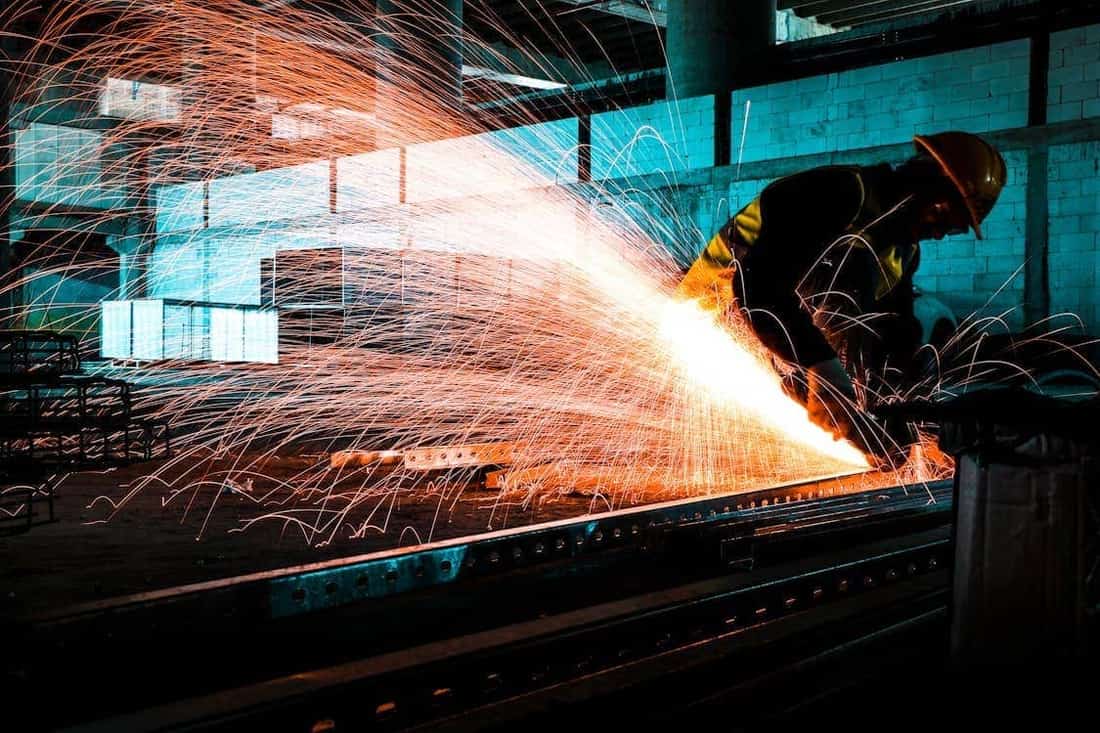
In a slab grinding plant, the cost of a grinding wheel is marginal compared to the cost of the machine, the operator (or robot), and the lost production if the line stops. Tyrolit HP wheels are designed to complement the expensive capital equipment. The high ceramic content ensures the wheel “bites” into the hot steel rather than rubbing it, substantially decreasing grinding cycle time. The wheel’s ability to resist loading from grinding swarf means that the dimension of ground billets remains consistent throughout a shift, reducing quality rejections due to under-grinding. Tyrolit works with plant engineers to track “grinding ratio” (G-ratio), power consumption, and wheel wear over time, continuously optimizing the specification to push the economic limit of abrasive cost versus metal removed.
Matching HP Wheel Specifications to Automated Grinding Applications
Every automated high-pressure application is unique. Tyrolit’s application engineers characterize the machine horsepower, material grade (alloy steel, titanium, nickel), temperature at grinding, and required stock removal rate. Based on this, they specify the optimal wheel grain (ceramic, zirconia, blend), grit size, hardness, and structure. For conditioning stainless steel slabs, a contamination-free bond is mandated. Tyrolit also advises on the optimal dressing method (diamond roll, star dresser) and frequency, integrating the wheel into the full manufacturing cell.