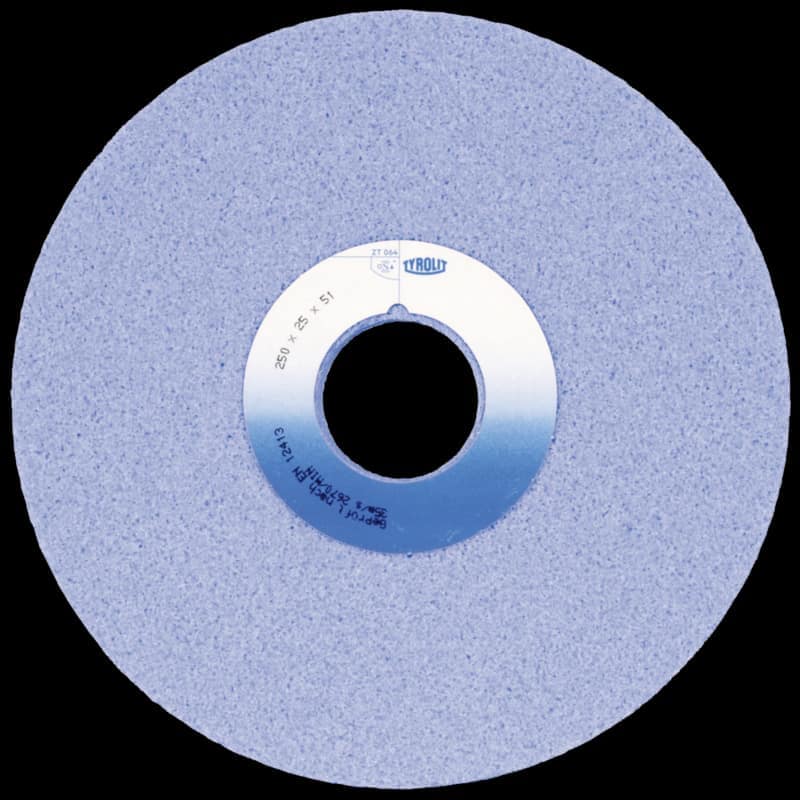
Tyrolit
Tyrolit Spiral Belts | Flexible Coated Abrasive Spirals for Pipe & Profile Finishing
Tyrolit Spiral Belts are specialized coated abrasive tools consisting of a continuous band of cloth-backed abrasive wound into a tight spiral and permanently bonded to a flexible core. This unique construction allows the belt to conform intimately to complex shapes—pipes, handrails, tubes, profiles, and contoured surfaces—while the spiral seam provides a continuous, non-directional cutting surface that eliminates the “bump” and striping from a conventional belt splice. Tyrolit spiral belts are designed to be used on cylindrical tube polishers, pipe sanders, and specialized backstand machines where the workpiece is fed through or the belt is wrapped around it. They are used extensively in the finishing of stainless steel architectural tubing, furniture tube frames, automotive exhaust components, and food-grade pipework. The spiral belt produces a uniform, linear, or non-directional satin finish that is highly valued in architectural and sanitary applications. Tyrolit offers spiral belts in a multitude of diameters, lengths, and grits, with abrasive grains including aluminium oxide, silicon carbide, and ceramic for different material types and finish requirements. The belt’s high flexibility and durability ensure consistent surface conditioning even on components with varying diameters, making it an essential tool for metal polishing shops and pipe fabricators.
Send an Enquiry
We'll get back to you on WhatsApp.
Trusted by Industry Leaders


Contour-Conforming Spiral Structure
The continuous coiled construction conforms elastically to pipes, bends, and irregularly shaped profiles, providing uniform abrasive contact over the entire surface without flat spots.
Splice-Free Surface for Stripe-Free Finish
Eliminates the hard belt splice of standard belts, which often leaves a visible line or “flicker mark” on polished stainless steel and aluminium workpieces.
Consistent Linear Satin Grain
Produces a uniform, directional hairline or satin finish that meets the strict cosmetic specifications for architectural handrails, signage, and premium furniture.
Long Life and Loading Resistance
The abrasive cloth is treated with anti-loading coatings, maintaining cut rate on soft aluminium and stainless steel, and the spiral structure allows debris to clear naturally.
Wide Range of Diameters and Grits
Available in small diameters (as low as 20 mm) for thin tubing, up to large diameters for heavy pipe, with grits from 40 (aggressive stock removal) to 400 (fine finishing).
Simplified Operation in Tube Sanders
Easy to install on cylindrical polish machines, often with quick-tension designs, making belt changes fast and helping to meet production throughput targets.
Why Metal Polishers Prefer Tyrolit Spiral Belts Over Conventional Belts
The primary advantage of the spiral belt is its ability to wrap completely around a tube, providing 360-degree finishing in a single pass. Traditional wide belts on a cylindrical polisher require the tube to rotate or be fed through multiple times, which can create overlapping patterns. The spiral seam’s flexible nature means it can polish a tube with a slight bend or an imperial-to-metric diameter change without snagging. This makes it the standard tool for long production runs of tubular furniture legs, handrails, and gym equipment. Tyrolit’s cloth backing treatments also minimize the problem of aluminium oxide build-up when polishing soft stainless steel alloys, extending the belt’s effective life and ensuring that the finish on the first piece matches the finish on the 500th piece.
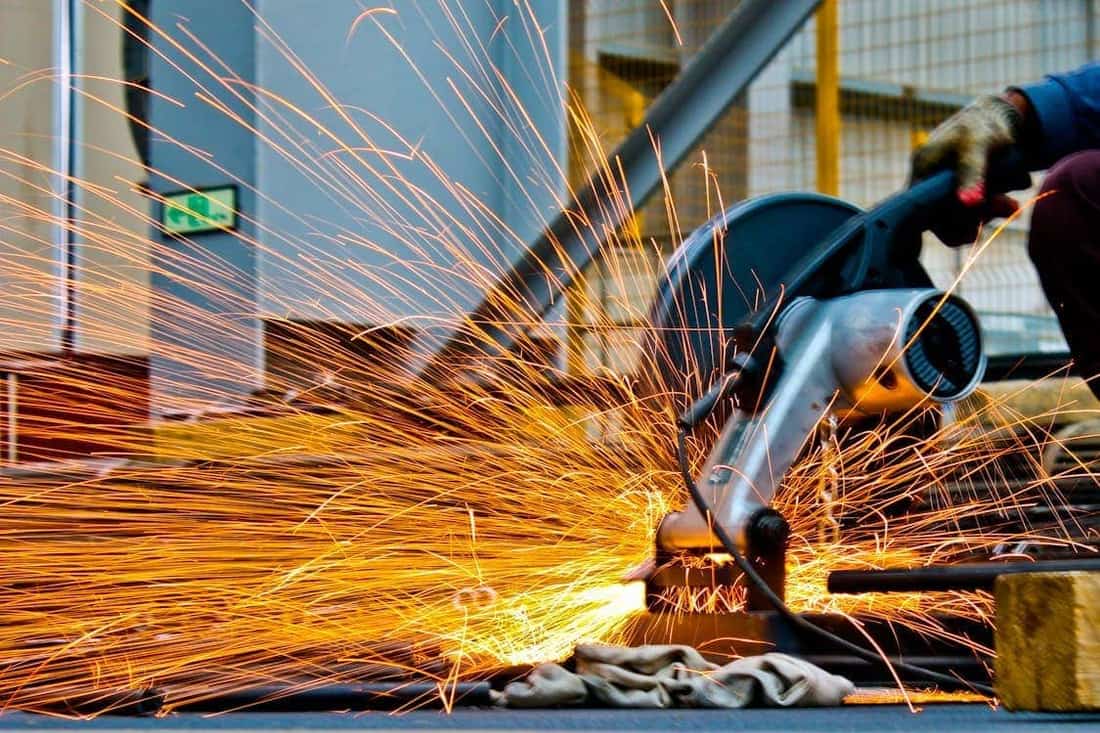
Specifying the Correct Spiral Belt for Tube Finishing Applications
Specification involves belt diameter (matching the tube diam.), belt width, and grit. As a rule, for stainless steel handrail polishing, a sequence of 80-grit for weld removal and scratch alignment, followed by 180-grit or 220-grit for the final satin grain, is common. For aluminium tubing, 120-grit followed by a non-woven conditioning belt may be used. The abrasive type should match: aluminium oxide for steels, silicon carbide for non-ferrous and titanium. Tyrolit provides custom cutting of spiral belts to length for special machine configurations. Application engineering can advise on optimal belt speed, lubricant (if any), and feed rates to achieve target Ra values.